🟠 Moderate Evidence
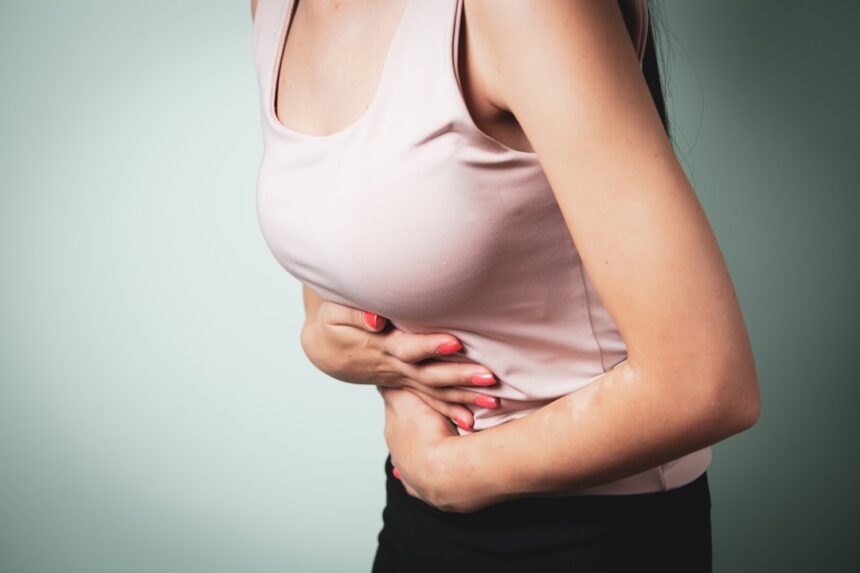
Supermarket purchasing data suggests many women are buying less effective pain medications for menstrual cramps, potentially prolonging their discomfort unnecessarily. The findings highlight a significant gap between optimal pain management strategies and actual consumer behavior in treating dysmenorrhea.
Key takeaways
- Supermarket data reveals suboptimal pain medication purchasing patterns for period pain
- Anti-inflammatory drugs are more effective than paracetamol for menstrual cramps
- Consumer education could improve pain management outcomes for millions of women
Pain Relief Effectiveness for Menstrual Cramps
Clinical evidence shows clear differences in treatment efficacy
Source: Clinical research data | Georgian Medical Journal News

Supermarket Data Reveals Purchasing Patterns
Analysis of supermarket sales data indicates that many women are purchasing paracetamol-based medications for period pain relief, despite clinical evidence showing these are less effective than anti-inflammatory alternatives. The Royal College of Obstetricians and Gynaecologists recommends non-steroidal anti-inflammatory drugs (NSAIDs) as first-line treatment for dysmenorrhea.
Retail pharmacy data suggests consumers may be influenced by general pain relief marketing rather than condition-specific guidance. This purchasing behavior potentially contributes to prolonged discomfort and reduced quality of life during menstruation.
Clinical Evidence Supports NSAIDs Over Paracetamol
Research published in the Cochrane Database demonstrates that NSAIDs such as ibuprofen are significantly more effective than paracetamol for menstrual pain. These medications target the inflammatory pathway involved in period pain, addressing the root cause rather than just masking symptoms.
Dr. Sarah Jarvis, clinical consultant and women’s health expert, has previously noted that many women are unaware of the superiority of anti-inflammatory medications for period pain. The clinical evidence consistently shows NSAIDs provide better pain relief and improved function during menstruation.
Consumer Education Could Improve Outcomes
Healthcare professionals emphasize the importance of educating consumers about optimal pain management strategies for menstrual symptoms. The NHS recommends ibuprofen as first-line treatment, but this guidance may not be reaching consumers at the point of purchase.
Pharmacy interventions and clearer product labeling could help women make more informed choices about period pain relief. Studies show that appropriate medication selection can reduce both pain intensity and duration, significantly improving quality of life during menstruation.
NSAIDs are more effective than paracetamol for period pain because they target the inflammatory pathways that cause menstrual cramps
— Clinical research evidence (Cochrane Reviews, 2015)
What this means
Frequently asked questions
Why are NSAIDs more effective for period pain?
NSAIDs work by blocking prostaglandin production, which directly addresses the inflammatory process causing menstrual cramps. Paracetamol primarily affects pain perception without targeting the underlying inflammation.
Is it safe to take NSAIDs regularly for period pain?
When used according to package directions for a few days each month, NSAIDs are generally safe for most women. However, those with stomach problems, kidney issues, or taking certain medications should consult healthcare providers.
Can combining paracetamol with NSAIDs be beneficial?
Some evidence suggests combining both medications may provide enhanced pain relief, but this should be done under medical guidance to ensure safe dosing and avoid potential interactions.
Improving consumer awareness about evidence-based pain management could significantly enhance quality of life for millions of women experiencing menstrual pain. Healthcare systems should prioritize education about optimal medication selection to ensure women have access to the most effective treatments available.
Source: Why you might not be buying the right pain relief for period cramps
Was this article helpful?
Disclaimer. This article is health journalism intended for general information and education. It is not medical advice and is not a substitute for professional diagnosis or treatment. Always consult a qualified healthcare provider about your individual circumstances. Full disclaimer →
Related Coverage



Editorial standards. This article was produced under the GMJ News editorial process, with oversight by the GMJ Editorial Board. Our editorial process. Spotted an error? Contact the editorial team.