By using this site, you agree to the Privacy Policy and Terms of Use.
Accept
GMJ NewsGMJ NewsGMJ News
  • Latest News
    • GMJ Briefs
  • Podcast & Media
    • Podcast Episodes
    • GMJ Audio
    • GMJ Videos
  • Research Digest
    • New Studies
    • Georgian Research
    • Data & Numbers
  • Policy & Systems
    • Health Policy
    • Quality & Safety
    • Migration & Health
    • Global Health
  • Practice
    • Clinical Updates
    • Case Discussions
    • Pharmacy & Prescribing
    • Ingredients A-Z
  • Perspectives
    • Editorial
    • Explainers
    • Voices
    • Letters
  • GMJ Articles
    • Vol. 1 Issue 2 (2026)
    • Vol. 1 Issue 1 (2026)
    • Pre-Launch Articles (2025)
  • Read the Journal →
  • About GMJ News
Notification Show More
Font ResizerAa
GMJ NewsGMJ News
Font ResizerAa
  • Latest News
    • GMJ Briefs
  • Podcast & Media
    • Podcast Episodes
    • GMJ Audio
    • GMJ Videos
  • Research Digest
    • New Studies
    • Georgian Research
    • Data & Numbers
  • Policy & Systems
    • Health Policy
    • Quality & Safety
    • Migration & Health
    • Global Health
  • Practice
    • Clinical Updates
    • Case Discussions
    • Pharmacy & Prescribing
    • Ingredients A-Z
  • Perspectives
    • Editorial
    • Explainers
    • Voices
    • Letters
  • GMJ Articles
    • Vol. 1 Issue 2 (2026)
    • Vol. 1 Issue 1 (2026)
    • Pre-Launch Articles (2025)
  • Read the Journal →
  • About GMJ News
Follow US
GMJ News > Policy & Systems > Migration & Health > Autism Stigma in South Asian American Families Creates Barriers to Care, Psychiatrist Warns
Migration & HealthPolicy & Systems

Autism Stigma in South Asian American Families Creates Barriers to Care, Psychiatrist Warns

GMJ
Last updated: 23/06/2026 18:42
By
GMJ Policy Desk
Share
6 Min Read
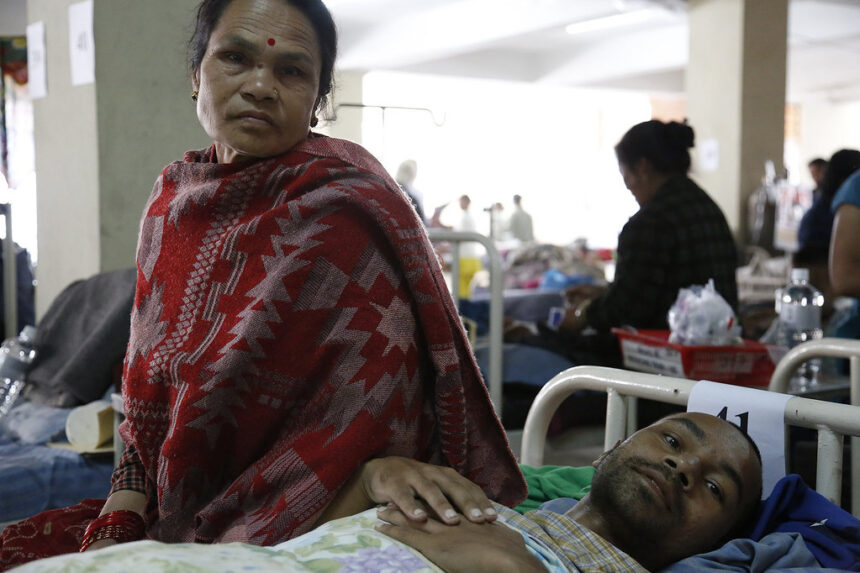
Healthcare provider counseling diverse family about autism support servicesIllustrative image · "British medics help earthquake-hit hospital in Kathmandu, Nepal" by DFID - UK Department for International Development is licensed under CC BY 2.0. To view a copy of this license, visit https://creativecommons.org/licenses/by/2.0/. (CC BY 2.0)
Cultural stigma in South Asian American families creates unique barriers to autism care access. Psychiatrist highlights how family crisis responses can delay necessary interventions. — "British medics help earthquake-hit hospital in Kathmandu, Nepal" by DFID - UK Department for International Development is licensed under CC BY 2.0. To view a copy of this license, visit https://creativecommons.org/licenses/by/2.0/. (CC BY 2.0)
SHARE
4 min read|752 words
✓ Reviewed by Prof. Giorgi Pkhakadze, MD, MPH, PhD · ORCID 0000-0001-7609-4515

Cultural stigma surrounding autism diagnoses in South Asian American families creates unique barriers to accessing appropriate care and support, according to a child and adolescent psychiatrist writing in STAT News. Dr. Ritu Goel highlights how disability disclosure becomes a family crisis that can isolate children from necessary interventions.

Contents
    • Key takeaways
      • Autism Prevalence by Ethnicity in US Children
  • Cultural Barriers Create Family Crisis
  • Secrecy Compounds Access Challenges
  • Clinical Implications for Healthcare Providers
    • What this means
  • Frequently asked questions
    • Why do some families keep autism diagnoses private?
    • How can healthcare providers better support diverse families?
    • What are the risks of delayed autism interventions?

Key takeaways

  • South Asian families often keep autism diagnoses secret due to cultural stigma
  • Family crisis responses can delay or prevent access to therapeutic interventions
  • Healthcare providers need culturally sensitive approaches to support these families
1 in 44
children diagnosed with autism spectrum disorder in the US, according to CDC surveillance data

Autism Prevalence by Ethnicity in US Children

Age 8 years, per 1,000 children, 2018 surveillance data

White
24.7
Black
21.8
Hispanic
19.8
Asian/Pacific Islander

14.8

Source: CDC, 2021 | Georgian Medical Journal News

Cultural Barriers Create Family Crisis

Dr. Ritu Goel, a child and adolescent psychiatrist, describes how autism diagnoses trigger “a specific kind of family crisis” in South Asian households. Writing in STAT News, she explains that cultural expectations around family reputation and child achievement create unique pressures.

Submit Your Paper
GMJ_Submit_Banner

The stigma extends beyond immediate family concerns, affecting extended family relationships and community standing. This cultural context can lead families to delay seeking help or refuse recommended interventions, potentially compromising outcomes for children who could benefit from early therapeutic support.

Healthcare disparities in autism diagnosis and treatment have been documented across ethnic groups, with CDC surveillance data showing lower reported prevalence rates among Asian/Pacific Islander children compared to white children.

Secrecy Compounds Access Challenges

The tendency to keep diagnoses private creates additional layers of difficulty for families navigating autism services. When families cannot openly discuss their child’s needs, they may struggle to access school accommodations, community resources, or peer support networks that could improve outcomes.

Mental health stigma remains particularly pronounced in South Asian communities, where conditions affecting behavior or development may be viewed through cultural lenses that prioritize family honor. This perspective can conflict with Western medical approaches that emphasize disclosure and advocacy.

Research published in the Journal of Autism and Developmental Disorders has documented how cultural factors influence help-seeking behaviors and treatment engagement among diverse populations.

In South Asian households, a child’s disability triggers a specific kind of family crisis that affects access to care and family dynamics.

— Dr. Ritu Goel, Child and Adolescent Psychiatrist (STAT News, 2026)

Clinical Implications for Healthcare Providers

Healthcare providers working with South Asian families need culturally informed approaches that acknowledge these dynamics without perpetuating stereotypes. This includes understanding how family decision-making processes may differ from typical Western models of individual patient autonomy.

Effective interventions may require engaging multiple family members and addressing concerns about privacy and community perception. Some families may benefit from connecting with other South Asian families who have navigated similar challenges, though building such networks requires sensitivity to disclosure concerns.

Training in cultural competency becomes essential for clinicians serving diverse populations, particularly when working with conditions that carry significant social stigma across different cultural contexts.

What this means

For patients: Families facing autism diagnoses need culturally sensitive support that respects privacy concerns while ensuring access to necessary interventions
For clinicians: Cultural competency training should address how stigma affects help-seeking behaviors and treatment engagement in diverse populations
For policymakers: Autism services need funding for culturally tailored outreach and support programs that can reach underserved communities effectively

Frequently asked questions

Why do some families keep autism diagnoses private?

Cultural factors including stigma around disability, concerns about family reputation, and different understanding of developmental conditions can lead families to maintain privacy about diagnoses. This is not unique to any single culture but reflects broader societal attitudes toward neurodevelopmental differences.

How can healthcare providers better support diverse families?

Providers can offer culturally informed care by understanding family decision-making processes, addressing privacy concerns, and connecting families with culturally similar peer support when possible. Training in cultural competency helps clinicians navigate these complex dynamics effectively.

What are the risks of delayed autism interventions?

Early intervention services have been shown to improve outcomes for children with autism spectrum disorders. Delays in accessing these services due to stigma or other barriers may limit opportunities for skill development and family support that could enhance long-term functioning.

Addressing cultural barriers to autism care requires ongoing dialogue between healthcare providers, communities, and families to develop approaches that respect cultural values while ensuring children receive appropriate support. This perspective highlights the need for more nuanced understanding of how cultural factors shape healthcare experiences across diverse populations.

Source: Opinion: In many South Asian American families, a child’s autism diagnosis is a secret

Was this article helpful?

Disclaimer. This article is health journalism intended for general information and education. It is not medical advice and is not a substitute for professional diagnosis or treatment. Always consult a qualified healthcare provider about your individual circumstances. Full disclaimer →

Related Coverage

Pediatrician calls for clinical trials to evaluate AI tools for children's developmentJul 2, 2026
New NEJM Analysis: States Lead Psychedelic Therapy Expansion Despite Federal RestrictionsJul 2, 2026
Medical Neglect in Immigration Detention: Journalists Expose Healthcare GapsJul 1, 2026
NHS Excellence Awards recognise teams that freed 12,000 hospital beds and accelerated cancer diagnosisJul 1, 2026
PG
Written by
Prof. Giorgi Pkhakadze, MD, MPH, PhD
Editor-in-Chief, GMJ News
Full profile →  ·  ORCID 0000-0001-7609-4515
Medical disclaimer. This article is health journalism intended for general information. It is not medical advice and is not a substitute for consultation with a qualified healthcare professional. Always seek your physician's advice regarding any medical condition.
Medically reviewed by Prof. Giorgi Pkhakadze, MD, MPH, PhD. Spotted an error? Contact the editorial team.

Get the GMJ News digest
Evidence-based health journalism in your inbox. No spam; unsubscribe anytime.
TAGGED:autismcultural competencyhealthcare disparitiesmental health stigmaSouth Asian
Share This Article
Facebook LinkedIn Bluesky Copy Link Print
GMJ
ByGMJ Policy Desk
Follow:
GMJ Policy Desk is part of GMJ News, the newsroom of the Georgian Medical Journal (gmj.ge), published by the Public Health Institute of Georgia. Every article is editorially reviewed before publication.
Leave a Comment Leave a Comment

Leave a Reply Cancel reply

Your email address will not be published. Required fields are marked *

Submit Your Paper →

Georgia's peer-reviewed open-access medical journal. No APC until January 2027.
Submit Manuscript →
Healthcare Professionals Break Barriers Around Women’s Health Taboos in Open Discussion Event

Three nurses organize community events to address taboo women's health topics, creating…

Pediatrician calls for clinical trials to evaluate AI tools for children’s development

Pediatrician Dr. Dua Hassan calls for randomized controlled trials to evaluate AI…

Reversing Prediabetes Cuts Cardiovascular Death Risk by 58%, Long-term Studies Show

New research shows people who reverse prediabetes by normalizing blood sugar levels…

Submit Your Paper to GMJ

No APC until January 2027.
Submit Manuscript →

You Might Also Like

World Health Organization Assembly meeting hall with country delegates discussing global health policy
Health PolicyPolicy & Systems

World Health Assembly Adopts New Global Health Security Framework After Pandemic Treaty Stalemate

By
GMJ Policy Desk
24/05/2026
Healthcare workers reviewing Chagas disease surveillance data in Latin American clinic
Global HealthNew StudiesPolicy & SystemsResearch Digest

Multi-country study reveals critical gaps in Chagas disease data systems across Bolivia and Paraguay

By
GMJ Policy Desk
08/06/2026
World map showing global migration research network connections and priority focus areasIllustrative image · Photo by Markus Winkler on Unsplash (Unsplash License)
Migration & HealthPolicy & Systems

IOM Global Migration Research Network Expands Scientific Evidence Base for Policy

By
GMJ Policy Desk
20/06/2026
Digital clinical trial guidance documents and regulatory framework illustrationIllustrative image · Photo by www.kaboompics.com on Pexels (Pexels License)
Health PolicyPolicy & Systems

Denmark Updates Digital Clinical Trial Guidance to Align with EU Standards

By
GMJ Policy Desk
28/06/2026
Facebook Twitter Youtube Instagram
Company
  • Privacy Policy
  • Contact US
  • GMJ Journal
  • Submit Manuscript
  • Editorial Team
  • Register at GMJ
  • Terms of Use

Subscribe to GMJ News — Click here

Join Community
© 2026 Georgian Medical Journal (GMJ). Published by the Public Health Institute of Georgia (PHIG). All rights reserved.
Welcome Back!

Sign in to your account

Username or Email Address
Password

Lost your password?

Not a member? Sign Up