By using this site, you agree to the Privacy Policy and Terms of Use.
Accept
GMJ NewsGMJ NewsGMJ News
  • Latest News
    • GMJ Briefs
  • Podcast & Media
    • Podcast Episodes
    • GMJ Audio
    • GMJ Videos
  • Research Digest
    • New Studies
    • Georgian Research
    • Data & Numbers
  • Policy & Systems
    • Health Policy
    • Quality & Safety
    • Migration & Health
    • Global Health
  • Practice
    • Clinical Updates
    • Case Discussions
    • Pharmacy & Prescribing
    • Ingredients A-Z
  • Perspectives
    • Editorial
    • Explainers
    • Voices
    • Letters
  • Health Topics
  • GMJ Articles
    • Vol. 1 Issue 2 (2026)
    • Vol. 1 Issue 1 (2026)
    • Pre-Launch Articles (2025)
  • Read the Journal →
  • About GMJ News
Notification Show More
Font ResizerAa
GMJ NewsGMJ News
Font ResizerAa
  • Latest News
    • GMJ Briefs
  • Podcast & Media
    • Podcast Episodes
    • GMJ Audio
    • GMJ Videos
  • Research Digest
    • New Studies
    • Georgian Research
    • Data & Numbers
  • Policy & Systems
    • Health Policy
    • Quality & Safety
    • Migration & Health
    • Global Health
  • Practice
    • Clinical Updates
    • Case Discussions
    • Pharmacy & Prescribing
    • Ingredients A-Z
  • Perspectives
    • Editorial
    • Explainers
    • Voices
    • Letters
  • Health Topics
  • GMJ Articles
    • Vol. 1 Issue 2 (2026)
    • Vol. 1 Issue 1 (2026)
    • Pre-Launch Articles (2025)
  • Read the Journal →
  • About GMJ News
Follow US
GMJ News > Perspectives > Explainers > How Neurotransmitters Shape Behaviour: The Science Behind Brain Chemistry
ExplainersPerspectives

How Neurotransmitters Shape Behaviour: The Science Behind Brain Chemistry

GMJ
Last updated: 12/07/2026 13:29
By
GMJ Perspectives Desk
Share
8 Min Read
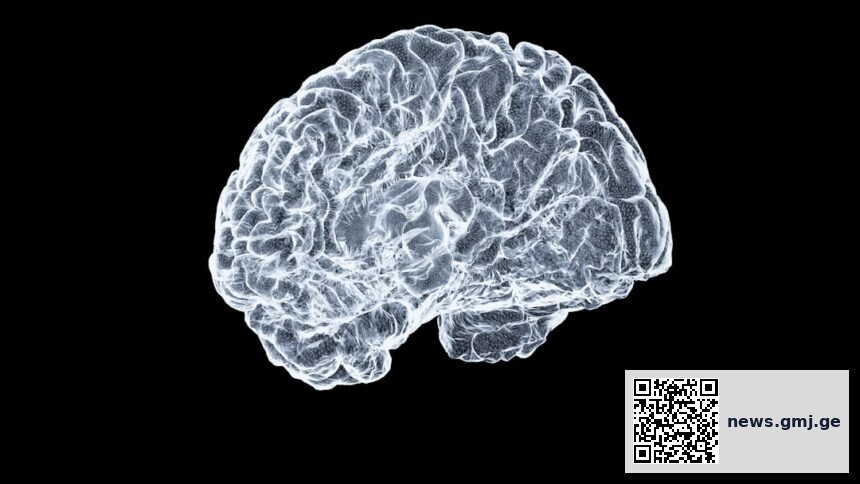
Diagram of synaptic transmission showing neurotransmitters crossing synaptic cleft to bind receptors on adjacent neuronIllustrative image · Photo by Shawn Day on Unsplash (Unsplash License)
The human brain operates through billions of chemical conversations per second. Eight major neurotransmitters regulate mood, cognition, and behaviour—and understanding their function reveals how sleep, stress, diet, and trauma directly shape mental health. — Photo by Shawn Day on Unsplash (Unsplash License)
SHARE
🎧 Listen to this article7:45 min · 1,104 words · GMJ Audio
6 min read|1,104 words
✓ Reviewed by GMJ News Editorial Team

The human brain operates through a chemical conversation that occurs billions of times per second. Neurotransmitters—small chemical messengers released across synapses—form the fundamental basis of neural communication, determining cognition, emotion, and behaviour. When neurons fire, they do not transmit electricity directly; instead, they release molecules into the synaptic cleft that bind to receptors on adjacent neurons, triggering cascade effects throughout the nervous system.

Contents
    • Key takeaways
      • The Eight Core Neurotransmitters and Their Functions
  • The Chemistry of Thought and Emotion
  • Stress, Sleep, and Neurochemical Cascades
  • Implications for Treatment and Prevention
    • What this means
  • Frequently asked questions
    • Why do SSRIs take weeks to work if they increase serotonin immediately?
    • Can you “naturally” increase dopamine or serotonin without medication?
    • Are there foods or supplements that meaningfully affect neurotransmitter levels?

Key takeaways

  • Eight major neurotransmitters (GABA, glutamate, acetylcholine, dopamine, serotonin, noradrenaline, adrenaline, and endorphins) regulate mood, cognition, motivation, and physical response
  • Imbalances in neurotransmitter levels—caused by sleep deprivation, chronic stress, poor diet, or trauma—directly alter emotional experience and behaviour
  • Understanding synaptic chemistry provides a biological foundation for treating mood disorders, cognitive decline, and addiction
8
major neurotransmitter systems regulate human behaviour, mood stability, cognition, and physical response—all operating simultaneously at the synaptic level

The Eight Core Neurotransmitters and Their Functions

Primary roles in neural communication and behaviour regulation

Dopamine (motivation, reward)
Reinforcement
Glutamate (learning, memory)
Excitation
Serotonin (mood, sleep, appetite)
Stability
Acetylcholine (attention, movement)
Activation
Noradrenaline (focus, alertness)
Arousal
GABA (inhibition, calming)
Inhibition

Source: Neuroscience literature review | Georgian Medical Journal News

The Chemistry of Thought and Emotion

Synaptic transmission is not a static process; rather, it is dynamic and responsive to experience. Each neurotransmitter system carries specific responsibilities. Dopamine, for instance, is often mischaracterised as the “pleasure” chemical; in reality, dopamine assigns value to actions and outcomes, driving motivation and reinforcement learning. When dopamine levels are optimal, humans experience drive and motivation. Dysregulation—either excess or deficiency—correlates with attention disorders, addiction vulnerability, and depressive symptoms.

Submit Your Paper
GMJ_Submit_Banner

Serotonin operates across multiple systems. Beyond mood regulation, serotonin influences sleep-wake cycles, appetite control, and emotional resilience. Low serotonin correlates with depression, anxiety, and disrupted sleep. Selective serotonin reuptake inhibitors (SSRIs)—the most prescribed class of antidepressants—work by prolonging serotonin availability in the synaptic cleft, demonstrating the direct link between chemistry and clinical outcome.

🎙️ Related Podcast Episodes
🎧 #50 | GMJ Podcast | Inclusive Health for Refugees and Migrants: WHO Reports Global Progress and Remaining Gaps · 17m
🎧 #33 | GMJ Podcast | Public Health Policy as Education in NCD Prevention — Commentary by Owen Thomas · 21m

Glutamate and GABA form the brain’s fundamental balance. Glutamate is excitatory—it drives learning and memory formation. However, excessive glutamate becomes neurotoxic, implicated in neurodegenerative disease and acute brain injury. GABA is the counterbalance—the primary inhibitory neurotransmitter that prevents runaway neural firing and enables relaxation. This balance is disrupted by chronic stress, sleep loss, and alcohol dependence.

Stress, Sleep, and Neurochemical Cascades

The adrenergic system—adrenaline and noradrenaline—represents the brain’s emergency response. Under acute stress, the hypothalamic-pituitary-adrenal (HPA) axis triggers release of catecholamines, increasing heart rate, blood pressure, and glucose mobilisation. This is adaptive for survival. However, chronic activation of this system leads to allostatic load—a state of sustained physiological dysregulation that accelerates ageing and disease risk.

Sleep deprivation acutely disrupts all major neurotransmitter systems. A single night of poor sleep reduces dopamine sensitivity, impairs acetylcholine-dependent attention, elevates glutamate toxicity, and suppresses serotonin and GABA function. This cascade explains why sleep loss impairs cognition, increases irritability, and amplifies pain perception. Clinical evidence increasingly supports sleep as a foundational pillar of neuropsychiatric health.

Diet, exercise, and trauma also shift neurochemical balance. Amino acid precursors (tryptophan for serotonin, tyrosine for dopamine) are dietary-dependent. Regular aerobic exercise increases endorphin release and brain-derived neurotrophic factor (BDNF), which supports neuronal survival and plasticity. Psychological trauma alters baseline noradrenaline and cortisol, creating hypervigilance and anxiety sensitivity.

Implications for Treatment and Prevention

Understanding synaptic chemistry has revolutionised psychiatric care. Antidepressants, anxiolytics, stimulants, and cognitive-enhancing drugs all work by modulating specific neurotransmitter systems. However, pharmacotherapy is not monolithic; individual genetic variation in neurotransmitter metabolism and receptor sensitivity explains why treatment response varies widely. Pharmacogenomic testing—identifying genetic variants that influence drug metabolism—increasingly guides prescribing decisions in precision psychiatry.

Prevention strategies that optimise neurochemistry include sleep hygiene, stress management, nutrition (particularly adequate protein and micronutrients), regular aerobic exercise, and cognitive engagement. Public health messaging that frames neurochemistry as modifiable through lifestyle empowers individuals to take ownership of mental health. This is particularly important for adolescents, whose prefrontal dopamine and serotonin systems are still developing.

The synaptic cleft—a space measuring only 20 nanometres—is where every thought, emotion, memory, and behaviour originates. Shifts in neurotransmitter balance, caused by sleep, stress, diet, trauma, or thought patterns themselves, directly alter internal experience and behaviour.

— Neuroscience consensus on synaptic transmission and behaviour (Pubmed literature)

What this means

For patients: Mood, cognition, and behaviour have biological substrates. If you experience persistent depression, anxiety, poor attention, or sleep disruption, these are not character flaws—they reflect neurochemical imbalances that are addressable through medication, therapy, sleep, exercise, and nutrition. Seeking professional evaluation is justified.
For clinicians: Comprehensive psychiatric care requires assessment of sleep, nutrition, stress, exercise, and trauma history—not just symptom screening. Neurotransmitter-targeted pharmacotherapy (SSRIs, dopamine agonists, GABA enhancers) should be paired with behavioural and lifestyle interventions that optimize neurochemistry intrinsically. Pharmacogenomic testing may guide treatment selection in cases of prior treatment failure.
For policymakers: Public education on neurochemistry and modifiable risk factors (sleep, exercise, nutrition, stress reduction) is a cost-effective prevention strategy for depression, anxiety, and cognitive decline. Workplace policies that protect sleep, enable exercise, and reduce chronic stress have measurable neurobiological benefits. Mental health screening in schools and primary care settings can identify dysregulation early.

Frequently asked questions

Why do SSRIs take weeks to work if they increase serotonin immediately?

SSRIs increase synaptic serotonin within hours, but clinical mood improvement takes 2-4 weeks because downstream neuroplastic changes—receptor sensitivity adjustment, gene expression changes, and circuit remodelling—require time. This lag is why patients must not discontinue SSRIs prematurely.

Can you “naturally” increase dopamine or serotonin without medication?

Yes, partially. Sleep, exercise, social connection, sunlight exposure, and achievement all modulate dopamine and serotonin. However, in clinical depression or ADHD, endogenous production is often insufficient. Lifestyle measures are complementary but not always sufficient replacements for pharmacotherapy. A clinician should assess severity before recommending lifestyle-only approaches.

Are there foods or supplements that meaningfully affect neurotransmitter levels?

Amino acid precursors (tryptophan in turkey, tyrosine in chicken) and micronutrients (vitamin B6, magnesium, omega-3 fatty acids) support neurotransmitter synthesis. However, dietary changes alone rarely achieve therapeutic neurotransmitter levels in clinical disorders. Supplements may reduce symptom severity in mild cases but should not replace evidence-based treatment when symptoms are moderate to severe.

The synaptic cleft—a microscopic space at the intersection of two neurons—is where consciousness arises and behaviour is determined. Modern neuroscience has revealed that this space is not fixed; it is dynamically responsive to sleep, stress, movement, nutrition, and thought itself. This understanding democratises mental health: if neurochemistry is modifiable, then psychological distress is not destiny. This perspective aligns with the GMJ’s commitment to evidence-based health literacy that empowers patients and clinicians alike.

Source: Neurotransmitter function and synaptic transmission explainer

Was this article helpful?

Disclaimer. This article is health journalism intended for general information and education. It is not medical advice and is not a substitute for professional diagnosis or treatment. Always consult a qualified healthcare provider about your individual circumstances. Full disclaimer →

Related Coverage

How vitamin B12 absorption works: two competing pathways explain why high-dose pills can rival injectionsAug 15, 2026
Copper deficiency may explain iron-resistant anaemia: why the overlooked mineral matters for oxygen transportAug 14, 2026
How Vitamins and Minerals Power Brain Chemistry: The Nutritional Foundations of Neurotransmitter HealthAug 14, 2026
How neurotransmitters orchestrate mood, sleep, and cognition: a biochemical primerAug 14, 2026
Explore more on this topic:🧭 Mental Health hub🧭 Parkinson's Disease hub🧭 Rheumatoid Arthritis hub
🔥 Most read this week
1Creatine Kidney Damage Myth Debunked by Major Safety Review of 26,000 Participants
2Magnesium Form May Not Matter for Cognitive Benefits, New Meta-Analysis Suggests
3Why High-Dose Vitamin B12 Supplements Work Despite Poor Absorption
4How Coffee Brewing Method Affects Cholesterol: The Science Behind Diterpenes and Filters
Related reference
  • Vitamin B6 · Ingredient
  • Magnesium · Ingredient
  • Choline · Ingredient
  • GABA · Ingredient
PG
Editorial oversight
Prof. Giorgi Pkhakadze, MD, MPH, PhD
Editor-in-Chief, GMJ News
Full profile →  ·  ORCID 0000-0001-7609-4515
Medical disclaimer. This article is health journalism intended for general information. It is not medical advice and is not a substitute for consultation with a qualified healthcare professional. Always seek your physician's advice regarding any medical condition.
Editorial standards. This article was produced under the GMJ News editorial process, with oversight by the GMJ Editorial Board. Our editorial process. Spotted an error? Contact the editorial team.

📬 GMJ Health Digest
Evidence-based medical news, once a week. Free, no spam, unsubscribe anytime.
TAGGED:behaviourbrain chemistrydopamineMental Healthneuroscienceneurotransmitterspsychiatryserotonin
Share This Article
Facebook LinkedIn Bluesky Copy Link Print
GMJ
ByGMJ Perspectives Desk
Follow:
GMJ Perspectives Desk is part of GMJ News, the newsroom of the Georgian Medical Journal (gmj.ge), published by the Public Health Institute of Georgia. Every article is editorially reviewed before publication.
Leave a Comment Leave a Comment

Leave a Reply Cancel reply

Your email address will not be published. Required fields are marked *

Submit Your Paper →

Georgia's peer-reviewed open-access medical journal. No APC until January 2027.
Submit Manuscript →
Exercise’s True Power: A Systematic Review Shows Mitochondrial Remodeling, Not Just Volume, Drives Fitness Gains

A systematic review analyzing 425 human studies shows that training intensity—not duration—is…

Egg consumption linked to 27% lower Alzheimer’s risk in large multi-cohort study

A 15-year prospective study of nearly 40,000 adults found that those consuming…

How vitamin B12 absorption works: two competing pathways explain why high-dose pills can rival injections

Vitamin B12 is absorbed via two pathways: intrinsic factor, which saturates at…

Submit Your Paper to GMJ

No APC until January 2027.
Submit Manuscript →

You Might Also Like

Data visualisation showing THC potency trend and psychosis risk association across cohort studiesIllustrative image · Photo by Sadi Hockmuller on Pexels (Pexels License)
Clinical UpdatesGlobal HealthPolicy & SystemsPractice

Most Cannabis Users Unaware of THC Potency, but Psychosis Risk Evidence Is Clear

By
GMJ Practice Desk
03/08/2026
Diagram showing iron absorption, folate and B12 synthesis, and red blood cell recyclingIllustrative image · Checking Blood Sample (9955279835).jpg by National Eye Institute / CC BY 2.0 via Wikimedia Commons (CC BY 2.0)
ExplainersPerspectives

Iron, folate, and B12: the three nutrients that build your blood

By
GMJ Perspectives Desk
28/07/2026
Infographic showing the gap between migration health policies and data collection systems globallyIllustrative image · Births attended by a skilled health personnel UNHDR 2007-2008.PNG by Sbw01f / CC BY-SA 3.0 via Wikimedia Commons (CC BY-SA 3.0)
EditorialPerspectives

Health & Migration: policy is moving faster than the data

By
GMJ Perspectives Desk
06/07/2026
Infographic showing three-step alcohol metabolism pathway: ethanol to acetaldehyde to acetate to acetyl-CoA, with NAD+ cofactor cycling.Illustrative image · Photo by cottonbro studio on Pexels (Pexels License)
ExplainersPerspectives

How the body metabolises alcohol: the biochemistry behind why drinks linger

By
GMJ Perspectives Desk
21/07/2026
Facebook Twitter Youtube Instagram
Company
  • Privacy Policy
  • Contact US
  • GMJ Journal
  • Submit Manuscript
  • Editorial Team
  • Register at GMJ
  • Terms of Use

Subscribe to GMJ News — Click here

Join Community
© 2026 Georgian Medical Journal (GMJ). Published by the Public Health Institute of Georgia (PHIG). All rights reserved.
Welcome Back!

Sign in to your account

Username or Email Address
Password

Lost your password?

Not a member? Sign Up