Updated 13/09/2026
🟡 Preliminary Evidence
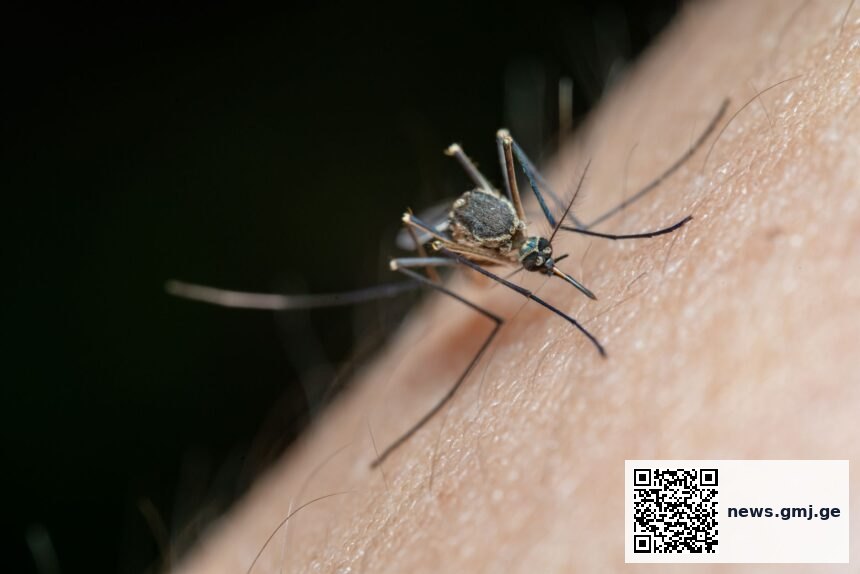
Scratching an insect bite provides immediate relief but triggers a neurobiological cascade that intensifies itching over time, according to dermatological research on the itch-scratch cycle. Despite the temptation to scratch—which activates reward pathways in the brain—mechanical trauma from scratching damages the skin barrier, increases inflammation, and paradoxically strengthens the itch sensation through a process called alloknesis.
Key takeaways
- Scratching insect bites activates neural pain pathways that temporarily mask itching but amplify it afterward
- Physical trauma from scratching damages the stratum corneum (outer skin layer), increasing histamine release and inflammatory response
- The itch-scratch cycle can persist for days or weeks without intervention, worsening secondary infection risk
- Non-scratching strategies—cold compression, topical corticosteroids, and antihistamines—break the cycle more effectively than mechanical relief
The Itch-Scratch Cycle: How Scratching Intensifies Itching Over Time
Neurobiological and inflammatory cascade triggered by mechanical trauma to insect bite sites

Source: Dermatological research on pruritus mechanisms | Georgian Medical Journal News
The Neurobiological Paradox: Why Scratching Feels Good But Makes Itching Worse
When you scratch an insect bite, the mechanical stimulation activates C-fiber nociceptors (pain-sensing nerve endings) that send signals to the spinal cord faster than itch-signalling fibres, temporarily masking the itch sensation through a phenomenon called gate control theory. This explains the immediate gratification—your brain literally blocks the itch message for a moment. However, this relief is short-lived and counterproductive.
Research on pruritus mechanisms indicates that scratching triggers a rebound intensification of itching within minutes to hours. The mechanical trauma causes microabrasions to the epidermis, damaging the protective stratum corneum layer and exposing nerve fibres to the environment. This breach activates resident mast cells in the dermis, which release fresh histamine and other inflammatory mediators—proinflammatory cytokines like tumour necrosis factor-alpha (TNF-α) and interleukin-6 (IL-6)—creating a vicious cycle of worsening inflammation and itching.
Skin Barrier Damage and Secondary Infection Risk
Beyond the itch-scratch cycle, repeated scratching compromises skin integrity, increasing susceptibility to bacterial superinfection. Insect bites already represent a breach in the skin barrier where the insect’s saliva introduces foreign antigens; scratching enlarges this breach and introduces bacteria from fingernails and surrounding skin into the wound. According to dermatological literature on secondary bacterial infections, Staphylococcus aureus and Streptococcus pyogenes are common causative organisms in scratch-induced infected bites, sometimes progressing to cellulitis or abscess formation.
A key concern for public health is that scratched bites in children and immunocompromised individuals carry higher infection rates. The Centers for Disease Control and Prevention (CDC) notes that infected insect bites, while typically self-limited, can occasionally seed systemic infections in vulnerable populations. Breaking the scratch habit early reduces this risk substantially.
Evidence-Based Alternatives to Scratching
Rather than relying on willpower alone, dermatologists recommend a tiered approach to managing insect bite itching. Cold compression—ice packs or cold water immersion applied for 10-15 minutes—numbs the itch through the same gate control mechanism as scratching but without tissue damage. Cold also reduces local blood flow and mast cell degranulation, addressing the underlying inflammation.
Topical treatments offer additional evidence-based options. Topical corticosteroids (hydrocortisone 1% or triamcinolone 0.1%) reduce inflammation and itching within hours by suppressing cytokine production and mast cell activation. Clinical trials on topical antihistamines show modest benefit for first-generation agents like diphenhydramine, though oral antihistamines (cetirizine, fexofenadine) provide more consistent systemic relief. For severe or widespread reactions, oral corticosteroids may be warranted.
Behavioural interventions—keeping nails trimmed, wearing light gloves at night, using distraction techniques, and applying calming creams (colloidal oatmeal, witch hazel)—form the foundation of itch management across healthcare settings globally. See more on clinical updates regarding evidence-based dermatological management protocols.
Scratching insect bites activates pain pathways that temporarily mask itching through gate control, but causes skin barrier damage that rebound-amplifies itching within hours through histamine and cytokine release—a self-perpetuating cycle best interrupted by cold therapy and topical anti-inflammatory agents rather than mechanical trauma.
— Dermatological research on pruritus mechanisms and the itch-scratch cycle
What this means
Frequently asked questions
Why does scratching feel so good if it makes itching worse?
Scratching stimulates pain-sensing nerve fibres that transmit signals to the brain faster than itch fibres, temporarily masking the itch through a process called gate control. However, this relief lasts only minutes before the skin damage triggers fresh histamine release and inflammation, intensifying itching afterwards. The brain’s reward system also reinforces the scratch behaviour, making it habitual despite its harmful effects.
How long does the itch-scratch cycle last if left untreated?
Without intervention, a single insect bite can itch for 3-7 days in most individuals, though repeated scratching can extend this to 2-3 weeks. The duration depends on the bite site, individual immune response, and frequency of scratching. Early use of topical corticosteroids or antihistamines typically reduces symptoms to 1-3 days.
What is the difference between topical and oral antihistamines for insect bite itching?
Topical antihistamines (applied directly to the bite) provide rapid local relief but have modest efficacy due to poor skin penetration. Oral antihistamines (cetirizine, fexofenadine) achieve systemic anti-itch effects by blocking histamine receptors throughout the body and are more effective for generalised or multiple bites. First-generation oral antihistamines (diphenhydramine) cause drowsiness, which can help reduce unconscious scratching at night.
The scientific evidence underlying the itch-scratch cycle demonstrates that scratching, while neurologically rewarding in the short term, perpetuates and amplifies itching through a series of well-defined inflammatory and neurobiological mechanisms. Public awareness of evidence-based alternatives—cold therapy, topical corticosteroids, and oral antihistamines—remains suboptimal in many communities. Healthcare systems should prioritise education on itch management alongside vector control strategies to reduce both the symptom burden of insect bites and the secondary infection complications that arise from uncontrolled scratching. Explore more on dermatological explainers and consumer health resources for practical guidance on managing common skin conditions.
Source: Scratching that bug bite might feel good at first but science explains why it’s a bad idea
🗺️ Find certified Georgian healthcare providers: sheniekimi.ge — Georgia Health Map · 998 clinics · 6,600+ doctors · 2,296 pharmacies
Was this article helpful?
Disclaimer. This article is health journalism intended for general information and education. It is not medical advice and is not a substitute for professional diagnosis or treatment. Always consult a qualified healthcare provider about your individual circumstances. Full disclaimer →
Related Coverage




Editorial standards. This article was produced under the GMJ News editorial process, with oversight by the GMJ Editorial Board. Our editorial process. Spotted an error? Contact the editorial team.