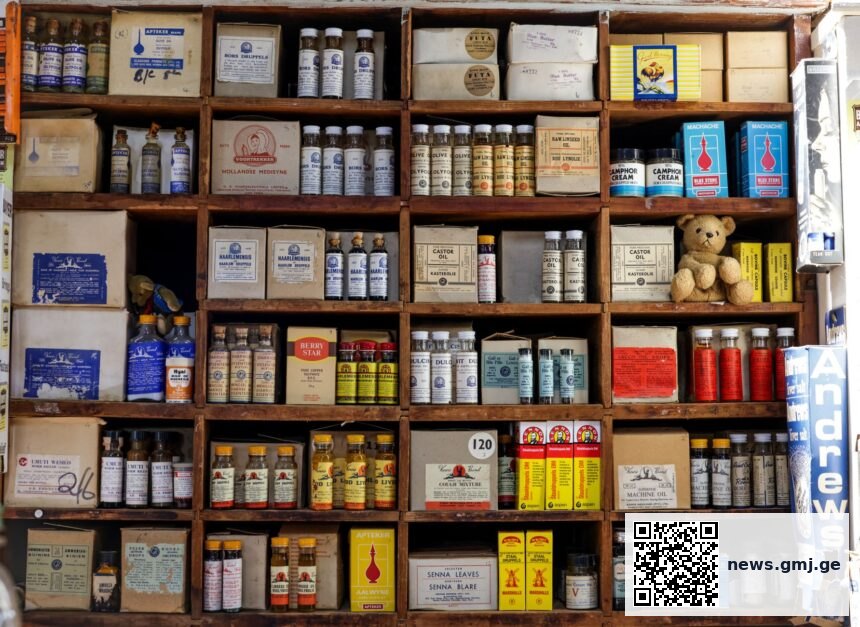
The UK government has published updated guidance on best practice in medicine labelling and packaging, setting out the legal framework and practical standards that pharmaceutical manufacturers and distributors must follow. The guidance consolidates requirements from UK legislation and provides clarity on how to produce labels and packaging that protect patient safety and meet regulatory compliance.
Key takeaways
- UK legislation mandates specific information on all medicine labels and packaging to ensure patient safety and proper medication use
- Best practice guidance addresses font size, clarity, multilingual requirements, and protection against counterfeiting
- Manufacturers must balance regulatory compliance with practical readability for patients across diverse populations
Regulatory Framework Strengthens Patient Safety
The updated guidance from the UK Department of Health and Social Care establishes mandatory requirements for all medicinal product labels and packaging within UK jurisdictions. These requirements stem from UK pharmaceutical legislation and are designed to ensure that patients and healthcare professionals receive clear, accurate information about medications before dispensing or administration.
Proper labelling serves as a critical control point in the medication use system. Illegible or incomplete labels contribute to medication errors, adverse drug events, and patient harm. This guidance emphasizes that manufacturers must include essential information—such as active ingredients, dosage instructions, contraindications, storage conditions, and batch numbers—in a format that is consistently visible and comprehensible across all patient populations.
Best Practice Standards for Clarity and Accessibility
Key Information Requirements for Medicine Labels
Core elements mandated by UK pharmaceutical legislation

Source: UK Department of Health and Social Care, 2024 | Georgian Medical Journal News
The guidance sets specific standards for font size, contrast, and language to ensure labels remain readable by patients with varying vision and literacy levels. According to the UK guidance, pharmaceutical companies must ensure that critical safety information—particularly warnings and dosage instructions—is displayed in a font size and color contrast that meets accessibility standards. This is particularly important for elderly patients and those with visual impairments, who are frequent users of multiple medications.
The guidance also addresses multilingual labelling requirements for medicines distributed across the UK and internationally. Manufacturers must determine which languages are necessary based on the intended market and ensure that all translated information is accurate and complete. Additionally, the guidance covers the role of packaging design in preventing medication errors, such as using distinctive colors, shapes, and visual cues to differentiate between similar products.
Clear, accurate labelling is a foundational patient safety control that reduces medication errors and supports appropriate medicine use across all populations.
— UK Department of Health and Social Care (Best Practice in the Labelling and Packaging of Medicines, 2024)
Counterfeiting Prevention and Supply Chain Integrity
A critical component of the updated UK guidance addresses anti-counterfeiting measures embedded in packaging design. Counterfeit medicines pose a serious public health threat—they may contain incorrect active ingredients, subtherapeutic doses, or harmful contaminants. The guidance recommends that manufacturers incorporate security features such as holograms, tamper-evident seals, unique identification codes, and tracking systems that allow healthcare professionals and patients to verify medicine authenticity before use.
The UK guidance aligns with international standards developed by the World Health Organization and pharmaceutical regulatory bodies to protect supply chain integrity. As counterfeit medicines are increasingly distributed through online channels, robust labelling and packaging controls become essential tools for detecting fraudulent products at the point of dispensing or patient use.
Implementation Considerations for Manufacturers and Regulators
Compliance with the updated guidance requires pharmaceutical manufacturers to review existing labelling and packaging processes against the new standards. This includes assessment of production workflows, quality control procedures, and staff training protocols to ensure consistent application of best practice across all batches. For small and medium-sized manufacturers, implementation may require investment in new printing equipment or labelling verification systems.
Regulatory bodies within the UK, including the Medicines and Healthcare products Regulatory Agency (MHRA), will use this guidance as a reference standard during product inspections and post-approval compliance audits. Manufacturers who demonstrate alignment with best practice standards are less likely to face regulatory action or product recalls related to labelling defects. The guidance also provides a framework for harmonization across the UK health system, reducing confusion for healthcare professionals and improving consistency in patient education.
What this means
Frequently asked questions
Why is medicine labelling considered a patient safety issue?
Illegible or incomplete medicine labels are a leading cause of medication errors, which can result in incorrect dosing, missed doses, or administration of the wrong medicine. Clear labelling is a critical control point in the medication use system that reduces preventable harm.
What should patients do if a medicine label is unclear or damaged?
Patients should contact their pharmacist or healthcare provider before using the medicine. A pharmacist can review the medicine’s information leaflet and provide verbal instructions. Damaged packaging should be reported to the pharmacy and the medicine should not be used.
How can patients verify that a medicine is genuine and not counterfeit?
Patients should purchase medicines only from licensed pharmacies or authorized online retailers. The updated guidance recommends checking for security features such as holograms or unique identification codes, and verifying the batch number and expiry date on the label. If a medicine looks unusual or differs from previous refills, ask the pharmacist to verify authenticity.
The updated UK guidance on medicine labelling and packaging represents a commitment to embedding patient safety principles into the pharmaceutical supply chain. As medicines become increasingly complex and patient populations more diverse, robust labelling and packaging standards will remain essential tools for preventing medication errors and protecting public health. Healthcare systems across Europe and internationally may use this guidance as a model for strengthening their own pharmaceutical quality and safety frameworks.
Source: Best practice in the labelling and packaging of medicines — UK Department of Health and Social Care
Was this article helpful?
Disclaimer. This article is health journalism intended for general information and education. It is not medical advice and is not a substitute for professional diagnosis or treatment. Always consult a qualified healthcare provider about your individual circumstances. Full disclaimer →
Related Coverage




Editorial standards. This article was produced under the GMJ News editorial process, with oversight by the GMJ Editorial Board. Our editorial process. Spotted an error? Contact the editorial team.