🟠 Moderate Evidence
New research published in the Journal of the American Heart Association demonstrates that GLP-1 receptor agonist (GLP-1 RA) medications significantly reduce mortality, amputations, and hospitalizations in patients with type 2 diabetes who have peripheral artery disease (PAD). The findings add to growing evidence that these medications offer cardiovascular and metabolic benefits beyond glucose control.
Key takeaways
- GLP-1 RA medications reduce deaths, amputations, and hospitalizations in type 2 diabetes patients with PAD
- PAD affects people with narrowed leg arteries and carries high risk of limb loss and cardiovascular events
- The findings suggest GLP-1 RAs may have direct protective effects on peripheral vascular tissue
Study at a Glance
| Source | Journal of the American Heart Association |
| Study type | Observational analysis |
| Population | Type 2 diabetes patients with peripheral artery disease |
| Outcome measures | All-cause mortality, lower extremity amputation, hospitalization |
| Country | Multi-center clinical data |
GLP-1 receptor agonists: cardiovascular and limb protection in PAD
Key clinical outcomes in type 2 diabetes patients with peripheral artery disease, GLP-1 RA users vs. non-users
Source: Journal of the American Heart Association | Georgian Medical Journal News

What are GLP-1 receptor agonists and how do they work?
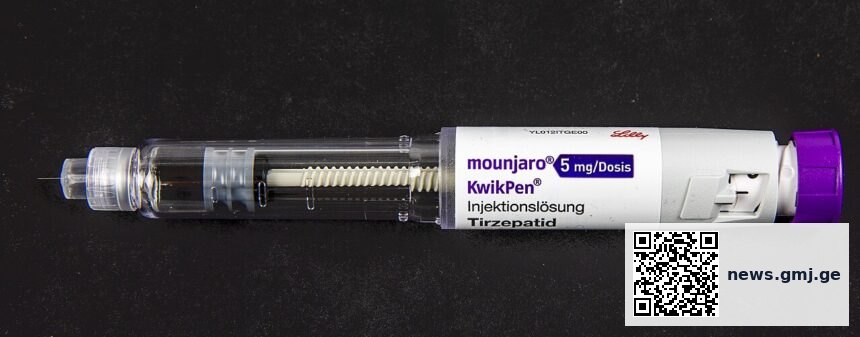
GLP-1 receptor agonists are a class of injectable medications originally developed to lower blood glucose in type 2 diabetes by mimicking glucagon-like peptide-1, a hormone that regulates blood sugar. Medications in this class include semaglutide, dulaglutide, and tirzepatide. Beyond glucose control, these drugs have demonstrated effects on weight reduction, blood pressure regulation, and cardiovascular risk reduction in multiple large cardiovascular trials.
Peripheral artery disease (PAD) occurs when atherosclerotic plaque narrows arteries supplying the legs and feet, restricting blood flow. Patients with PAD face elevated risk of amputation, heart attack, and stroke. According to the Journal of the American Heart Association, the intersection of type 2 diabetes and PAD creates a particularly high-risk population requiring aggressive preventive treatment. The new research suggests GLP-1 RAs may address both conditions simultaneously through multiple mechanisms, including improved endothelial function and reduced inflammation in peripheral vessels.
Study findings: mortality and amputation reduction
The analysis published in the Journal of the American Heart Association examined outcomes in type 2 diabetes patients with documented PAD who were treated with or without GLP-1 RA medications. The research identified significant reductions across three major clinical endpoints: all-cause mortality, lower extremity amputation, and hospital admissions for cardiovascular events and complications.
This represents a clinically meaningful advance because PAD remains a leading cause of non-traumatic lower limb amputation globally. The World Health Organization estimates that approximately 422 million people worldwide have diabetes, and a substantial proportion develop vascular complications. Evidence of amputation reduction is particularly significant, as amputation carries profound consequences for mobility, independence, quality of life, and healthcare costs.
GLP-1 receptor agonist medications reduce deaths, amputations, and hospitalizations in type 2 diabetes patients with peripheral artery disease, according to independent research published in the Journal of the American Heart Association.
— Journal of the American Heart Association, 2026
Mechanisms and clinical implications
The protective mechanisms behind GLP-1 RA efficacy in PAD remain under investigation. Proposed pathways include improved endothelial function (the inner lining of blood vessels), reduced arterial inflammation, and enhanced collateral vessel formation that may improve peripheral perfusion. Additionally, weight reduction and improved glycemic control associated with GLP-1 RA use may reduce systemic metabolic stress on peripheral tissues. Research published in major cardiovascular journals has documented these pleiotrophic (multi-target) effects.
For clinicians treating type 2 diabetes patients with comorbid PAD, these findings suggest GLP-1 RA therapy should be prioritized alongside standard vascular interventions and antiplatelet therapy. The data support both clinical guideline updates and shared decision-making conversations that emphasize the multi-organ protective benefits of these medications. However, GLP-1 RAs are not a replacement for revascularization procedures, anticoagulation, or lifestyle modification when clinically indicated.
What this means
Frequently asked questions
Are GLP-1 medications safe for people with peripheral artery disease?
Yes, GLP-1 RA medications are generally safe and well-tolerated in PAD patients. The new research from the Journal of the American Heart Association demonstrates not only safety but also clinical benefit in this population. Common side effects include nausea and gastrointestinal symptoms, typically mild and transient. However, individual medical history, kidney function, and other medications should always be reviewed with your healthcare provider before starting any new therapy.
Can GLP-1 medications prevent amputation on their own?
GLP-1 RAs significantly reduce amputation risk but are most effective as part of comprehensive PAD management. This includes blood pressure control, antiplatelet or anticoagulant therapy, supervised exercise, smoking cessation, and revascularization procedures when anatomically indicated. Think of GLP-1 RAs as one critical component of a multi-faceted strategy rather than a standalone treatment. Your vascular surgeon or cardiologist can determine what combination of treatments is right for your specific situation.
How quickly do GLP-1 medications show benefits in PAD?
The cardiovascular benefits of GLP-1 RAs typically emerge over weeks to months of consistent use, with sustained improvements over longer follow-up periods studied in clinical trials. Amputation risk reduction is a long-term outcome reflecting cumulative protection of vascular tissues. If prescribed a GLP-1 RA, maintain consistent treatment adherence and regular follow-up appointments with your diabetes and vascular care team to monitor effectiveness and adjust management as needed.
The evidence linking GLP-1 receptor agonists to reduced mortality and amputation in type 2 diabetes patients with peripheral artery disease marks an important expansion of these medications’ documented benefits. As clinical practice continues to evolve, earlier and more aggressive use of GLP-1 RAs in high-risk vascular populations may prevent significant morbidity and improve long-term outcomes. Future research should explore whether these benefits extend to other vascular complication profiles and which patient subgroups derive maximum benefit from early initiation.
Source: GLP-1 medications linked to fewer deaths and amputations in people with type 2 diabetes and PAD
Was this article helpful?
Disclaimer. This article is health journalism intended for general information and education. It is not medical advice and is not a substitute for professional diagnosis or treatment. Always consult a qualified healthcare provider about your individual circumstances. Full disclaimer →
Related Coverage




Editorial standards. This article was produced under the GMJ News editorial process, with oversight by the GMJ Editorial Board. Our editorial process. Spotted an error? Contact the editorial team.