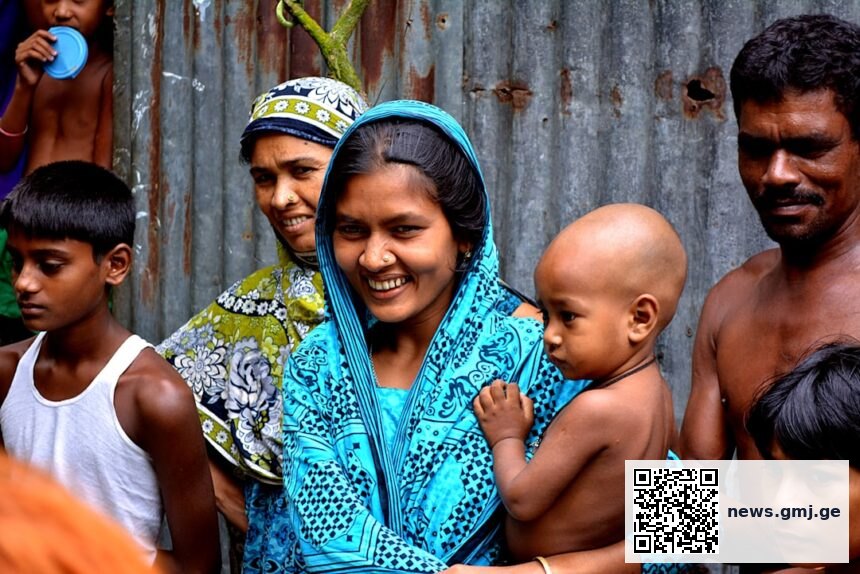
Bangladesh is facing a severe measles outbreak with approximately 120,000 reported cases, according to reporting by the BBC, marking a dramatic reversal for a country that had achieved significant progress in measles control over the past two decades. The surge has overwhelmed healthcare facilities across the nation, with hundreds of children dying from the preventable disease, raising urgent questions about vaccination coverage gaps and immunisation programme vulnerabilities.
Key takeaways
- Bangladesh has reported approximately 120,000 measles cases in its current outbreak, a significant increase from previous years
- Healthcare systems are becoming overwhelmed, with hospital capacity strained by the volume of severe cases
- The outbreak represents a reversal of decades of measles control progress achieved through previous vaccination campaigns
- Measles remains highly contagious and preventable through the MMR vaccine, which requires sustained high population coverage (95%+) to maintain herd immunity
Why Measles Outbreaks Occur: The Vaccination Coverage Threshold
Population immunity required to prevent measles transmission and maintain disease control
Source: WHO immunisation guidelines | Georgian Medical Journal News
A Country’s Measles Control Reversed
Bangladesh had made substantial progress in reducing measles mortality and morbidity over the past 20 years through systematic immunisation campaigns. The current outbreak of approximately 120,000 cases, as reported by the BBC, represents a significant public health setback and suggests critical gaps in either vaccination coverage or immunity maintenance among the population.

Measles is one of the most contagious human pathogens, with each infected person transmitting the virus to an average of 12–18 unvaccinated individuals in a susceptible population, according to WHO fact sheets on measles. When population-level vaccination coverage falls below the 95% threshold required for herd immunity, outbreaks become inevitable—particularly in densely populated urban areas where transmission accelerates.
Healthcare Systems Under Strain
The scale of Bangladesh’s outbreak has created severe pressures on the country’s healthcare infrastructure. Hospitals are reporting overwhelming patient volumes, with paediatric wards and intensive care units operating at or beyond capacity, according to the BBC reporting. This situation is particularly concerning because measles can lead to serious complications including pneumonia, encephalitis, and blindness, especially in malnourished children or those with vitamin A deficiency.
The strain on healthcare systems extends beyond measles itself—overcrowded facilities reduce capacity to treat other acute and chronic conditions, creating a cascading public health challenge. WHO emphasises that measles outbreaks divert clinical resources and place particular burden on paediatric services in low-resource settings.
Understanding the Coverage Gap
For a measles outbreak of this magnitude to emerge in Bangladesh—a country with existing immunisation infrastructure—vaccination coverage must have declined significantly or new susceptible populations must have accumulated. This can occur through several mechanisms: reduced campaign coverage in specific regions, missed routine immunisation in mobile or marginalised populations, or waning immunity in individuals vaccinated years earlier without a booster dose.
The WHO’s Measles Elimination Guidelines specify that countries require two-dose MMR vaccination schedules (first dose at 9 months, second dose at 15–18 months) plus periodic campaigns to reach older children and maintain population immunity above 95%. Lapses in any component—whether due to supply chain disruptions, conflict, disease surveillance gaps, or vaccine hesitancy—create the conditions for rapid transmission.
Lessons for Vaccination Programmes Globally
Bangladesh’s current measles crisis underscores a critical lesson in immunisation management: sustained high coverage is essential. Unlike diseases where partial immunity provides protection, measles requires near-universal vaccination to prevent outbreaks. The scientific literature on measles transmission dynamics confirms that coverage gaps of just 5–10 percentage points below the herd immunity threshold can trigger explosive outbreaks.
The situation also highlights vulnerabilities in disease surveillance systems—early detection of falling coverage or emerging susceptible populations is essential to prevent outbreaks from reaching the scale now seen in Bangladesh. Countries with strong immunisation coverage monitoring and evaluation systems, as promoted by WHO, are better positioned to identify gaps and mount rapid response campaigns.
Bangladesh is facing approximately 120,000 measles cases with hospitals overwhelmed, representing a reversal of two decades of measles control progress and demonstrating the critical importance of sustaining immunisation coverage above 95% to prevent outbreaks.
— BBC News reporting on Bangladesh’s measles outbreak
What this means
Frequently asked questions
Is measles still a threat in countries with high vaccination coverage?
Yes. Measles can spread rapidly wherever vaccination coverage falls below 95%, even in wealthy countries. Pockets of lower vaccination coverage, outbreaks of vaccine hesitancy, or influx of susceptible populations due to migration can trigger outbreaks. The WHO monitors measles globally and documents outbreaks in multiple regions annually, including in high-income countries.
Why did Bangladesh’s measles control programme falter?
The article does not specify the exact causes of Bangladesh’s coverage gap. Possible factors include disruptions to routine immunisation services, lower campaign coverage in specific regions, disease surveillance gaps preventing early detection, or accumulated susceptible populations. The BBC reporting does not provide detailed epidemiological analysis of the root causes.
Can measles be treated, or is prevention the only option?
Measles cannot be cured with specific antiviral drugs. Treatment is supportive (rest, fluids, vitamin A supplementation, management of complications). Prevention through vaccination is the only effective strategy. This is why maintaining population immunity above 95% is critical—outbreaks cannot be managed through treatment alone when cases overwhelm healthcare systems, as is occurring in Bangladesh.
Bangladesh’s measles outbreak serves as a urgent reminder that infectious disease control requires sustained, systematic effort. Even countries that have achieved measles elimination or near-elimination for extended periods can face rapid reversal if vaccination coverage lapses. The immediate priority is mobilising resources to vaccinate susceptible populations and support overwhelmed healthcare facilities, while the longer-term imperative is strengthening immunisation programme delivery and surveillance systems to prevent future outbreaks. Global health monitoring and international cooperation through WHO policy coordination remain essential tools for responding to outbreaks of this scale.
Source: A country that made huge progress on measles now reports 120,000 cases
Was this article helpful?
Disclaimer. This article is health journalism intended for general information and education. It is not medical advice and is not a substitute for professional diagnosis or treatment. Always consult a qualified healthcare provider about your individual circumstances. Full disclaimer →
Related Coverage



Editorial standards. This article was produced under the GMJ News editorial process, with oversight by the GMJ Editorial Board. Our editorial process. Spotted an error? Contact the editorial team.