By using this site, you agree to the Privacy Policy and Terms of Use.
Accept
GMJ NewsGMJ NewsGMJ News
  • Latest News
    • GMJ Briefs
  • The Wire
  • Health Topics
  • Podcast & Media
    • GMJ Audio
    • GMJ Videos
    • Podcast & Media
    • Podcast Episodes
  • GMJ Articles
    • Vol. 1 Issue 3 (2026)
    • Public Health Dictionary — Supplement Edition
    • IAP Legacy Series
    • Read Full Journal (gmj.ge) →
    • Pre-Launch Articles (2025)
    • Vol. 1 Issue 1 (2026)
    • Vol. 1 Issue 2 (2026)
  • Perspectives
    • Editorial
    • Explainers
    • Letters
    • Voices
  • Policy & Systems
    • Global Health
    • Health Policy
    • Migration & Health
    • Quality & Safety
    • Work & Health
  • Dictionary
    • Our Story: 20 Years in the Making
    • Browse A–Z
    • About the Project
    • Contribute a Term
  • Practice
    • Case Discussions
    • Clinical Updates
    • Pharmacy & Prescribing
  • Research Digest
    • Data & Numbers
    • Georgian Research
    • New Studies
  • Read the Journal →
Notification Show More
Font ResizerAa
GMJ NewsGMJ News
Font ResizerAa
  • Latest News
  • The Wire
  • Health Topics
  • Podcast & Media
  • GMJ Articles
  • Perspectives
  • Policy & Systems
  • Dictionary
  • Practice
  • Research Digest
  • Read the Journal →
  • Latest News
    • GMJ Briefs
  • The Wire
  • Health Topics
  • Podcast & Media
    • GMJ Audio
    • GMJ Videos
    • Podcast & Media
    • Podcast Episodes
  • GMJ Articles
    • Vol. 1 Issue 3 (2026)
    • Public Health Dictionary — Supplement Edition
    • IAP Legacy Series
    • Read Full Journal (gmj.ge) →
    • Pre-Launch Articles (2025)
    • Vol. 1 Issue 1 (2026)
    • Vol. 1 Issue 2 (2026)
  • Perspectives
    • Editorial
    • Explainers
    • Letters
    • Voices
  • Policy & Systems
    • Global Health
    • Health Policy
    • Migration & Health
    • Quality & Safety
    • Work & Health
  • Dictionary
    • Our Story: 20 Years in the Making
    • Browse A–Z
    • About the Project
    • Contribute a Term
  • Practice
    • Case Discussions
    • Clinical Updates
    • Pharmacy & Prescribing
  • Research Digest
    • Data & Numbers
    • Georgian Research
    • New Studies
  • Read the Journal →
Follow US
GMJ News > Policy & Systems > Global Health > Two weeks after Venezuela’s earthquakes, PAHO flags critical health gaps as response pivots to recovery
Global HealthHealth PolicyPolicy & Systems

Two weeks after Venezuela’s earthquakes, PAHO flags critical health gaps as response pivots to recovery

GMJ
Last updated: 13/09/2026 21:30
By
GMJ Policy Desk
Share
8 Min Read
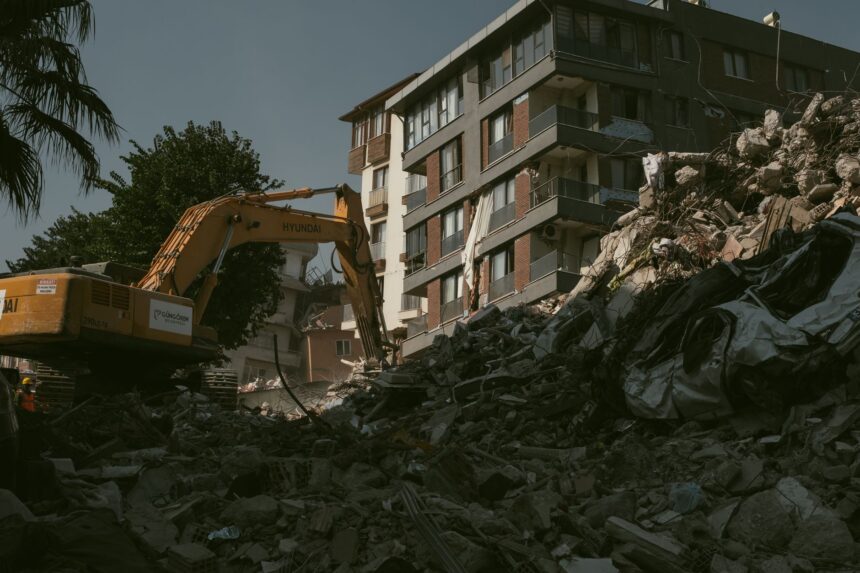
Health system recovery priorities in earthquake-affected Venezuela according to PAHO assessmentIllustrative image · Photo by Doruk Aksel Anıl on Pexels (Pexels License)
Two weeks after devastating earthquakes in Venezuela, PAHO identifies critical gaps in water access, disease surveillance, and mental health services as response operations shift toward long-term recovery and healthcare infrastructure rebuilding. — Photo by Doruk Aksel Anıl on Pexels (Pexels License)
SHARE
5 min read|983 words
✓ Reviewed by GMJ News Editorial Team

Two weeks after devastating earthquakes struck Venezuela, the Pan American Health Organization (PAHO) has identified critical gaps in the health response as relief efforts shift toward longer-term recovery planning. The earthquakes have exposed vulnerabilities in Venezuela’s already strained healthcare infrastructure and created urgent demand for water, sanitation, mental health services, and disease surveillance systems.

Contents
    • Key takeaways
      • Health system priorities in earthquake response and recovery
  • Water, sanitation, and disease surveillance emerge as priority gaps
  • Mental health and psychosocial support remain unmet during transition to recovery
  • Pre-existing healthcare fragility amplifies earthquake damage
    • What this means
  • Frequently asked questions
    • Why is water and sanitation access a top priority in earthquake recovery?
    • What is the connection between earthquake damage and disease surveillance breakdown?
    • Why is mental health being prioritized alongside physical health recovery?

Key takeaways

  • PAHO identifies unmet health needs in water access, sanitation, and disease surveillance two weeks after Venezuela’s earthquakes
  • Mental health and psychosocial support remain critical priorities as affected populations face displacement and loss
  • Healthcare infrastructure damage is compounding pre-existing systemic vulnerabilities in Venezuela’s health system
  • Response operations are transitioning from emergency relief to recovery and rebuilding phases
2 weeks
Timeline since Venezuela’s earthquakes struck, according to PAHO’s health situation assessment (July 2026)

Health system priorities in earthquake response and recovery

Critical health needs identified by PAHO two weeks post-disaster, Venezuela

Water & sanitation
Critical
Disease surveillance
Critical
Mental health support
High
Emergency care capacity
High
Healthcare infrastructure
Damaged

Source: PAHO Health Situation Assessment, July 2026 | Georgian Medical Journal News

Water, sanitation, and disease surveillance emerge as priority gaps

According to PAHO’s official health situation assessment, lack of safe water access and functional sanitation systems pose the most immediate public health threat in the earthquake-affected areas. The damage to water distribution infrastructure and sewage systems increases the risk of waterborne disease outbreaks, particularly in densely populated shelters housing displaced populations.

Submit Your Paper
GMJ_Submit_Banner

Disease surveillance systems have been compromised by infrastructure damage and staff displacement, limiting the ability to detect and respond to emerging communicable disease threats. PAHO emphasized that re-establishing epidemiological monitoring capabilities is essential to prevent secondary health crises during the recovery phase. This aligns with the World Health Organization’s guidance on disease control in humanitarian emergencies, which identifies surveillance as a foundational recovery element.

🎙️ Related Podcast Episodes
🎧 #44 | GMJ Podcast | Infant Formula Contamination — Global Food Safety Failure and the Cereulide Outbreak · 21m
🎧 #42 | GMJ Podcast | IT Service Management in Healthcare — Governance, Procurement, and Service Delivery · 16m
🎧 #22 | WHO Global School on Refugee and Migrant Health: From Policy to Action · 20m
🎧 #13 | Six Years After COVID-19: Is the World Better Prepared for the Next Pandemic? · 19m
🎬 GMJ Video Series | Rare Case: Lung Cancer & Tuberculosis Coexistence

Mental health and psychosocial support remain unmet during transition to recovery

PAHO’s assessment underscores that earthquake survivors face profound psychological trauma from deaths, injuries, displacement, and material loss. According to the organization’s findings, existing mental health services have been overwhelmed or disrupted, leaving large segments of the affected population without access to psychosocial support. The transition from emergency response to recovery operations risks leaving mental health needs chronically underaddressed.

Research published in epidemiological literature demonstrates that untreated post-disaster mental health conditions have long-term population health consequences, including increased rates of chronic disease, substance use, and suicide. PAHO has called for integration of mental health screening and counseling into all recovery-phase health programming, consistent with WHO recommendations on psychosocial support following disasters.

Pre-existing healthcare fragility amplifies earthquake damage

Venezuela’s healthcare system was already experiencing severe structural challenges prior to the earthquakes, including shortages of medical supplies, lack of fuel for generators, and workforce migration. According to PAHO, the earthquake damage has accelerated collapse of facilities that were already operating at minimal capacity, eliminating access to essential services across affected regions.

The cascading nature of this failure—where new disasters strike systems already degraded by years of underinvestment—represents a critical vulnerability documented in PAHO’s ongoing health systems assessments. Recovery operations must address not only earthquake-related damage but also the systemic weaknesses that made the health system unable to absorb this shock. This suggests that rebuilding strategies must include investment in resilient, redundant healthcare infrastructure if future disasters are to be managed more effectively.

Water access, sanitation, disease surveillance systems, and mental health support remain critical unmet needs two weeks after Venezuela’s earthquakes, with response operations now shifting toward longer-term recovery and healthcare infrastructure rebuilding.

— Pan American Health Organization (PAHO), Health Situation Assessment, July 2026

What this means

For patients: Survivors should prioritize accessing clean water through boiling or distribution centers, seek mental health support through community health workers where available, and maintain awareness of communicable disease signs (fever, diarrhea, respiratory symptoms) during recovery.
For clinicians: Healthcare providers in Venezuela and neighboring regions should heighten vigilance for waterborne and communicable disease outbreaks, screen all earthquake survivors for trauma-related mental health conditions, and coordinate with PAHO on supply chain logistics for essential medicines and equipment.
For policymakers: Venezuela’s government and PAHO must prioritize rapid restoration of water and sanitation infrastructure, re-establish epidemiological surveillance networks, integrate mental health services into all recovery programs, and use this crisis to catalyze systemic health system strengthening beyond immediate reconstruction.

Frequently asked questions

Why is water and sanitation access a top priority in earthquake recovery?

According to WHO guidance, lack of clean water and functional sanitation in crowded shelters creates conditions for rapid spread of communicable diseases such as cholera, typhoid, and dysentery. PAHO’s assessment emphasized that disease outbreaks could kill more people than the earthquake itself if water systems are not rapidly restored and chlorinated.

What is the connection between earthquake damage and disease surveillance breakdown?

Earthquakes destroy healthcare facilities where disease reporting occurs, kill or displace epidemiologists and laboratory staff, and damage communication infrastructure needed to send outbreak alerts. PAHO noted that without functioning surveillance, Venezuela cannot detect emerging outbreaks until they become community-wide crises, making prevention impossible.

Why is mental health being prioritized alongside physical health recovery?

Disaster survivors face severe psychological trauma with long-term health consequences. PAHO cited evidence that untreated post-disaster mental health conditions increase mortality from chronic diseases and suicide risk, making psychosocial support integral to overall recovery, not supplementary to it.

The two-week mark in Venezuela’s earthquake response represents a critical inflection point. As emergency relief operations yield to sustained recovery efforts, PAHO’s emphasis on systemic health gaps—water, surveillance, mental health, infrastructure—signals that Venezuela faces a marathon, not a sprint, to restore health security. The international health community’s sustained engagement through recovery phases will determine whether Venezuela’s earthquake response becomes a model for resilient healthcare rebuilding or a case study in how disasters compound existing vulnerabilities. PAHO’s continued coordination with Venezuela’s Ministry of Health and regional partners will be essential to preventing the recovery phase from becoming another period of health system deterioration.

Source: Pan American Health Organization (PAHO) news release, July 9, 2026

Was this article helpful?

Disclaimer. This article is health journalism intended for general information and education. It is not medical advice and is not a substitute for professional diagnosis or treatment. Always consult a qualified healthcare provider about your individual circumstances. Full disclaimer →

Related Coverage

Organ Donation Amid Euthanasia: How Medical Ethics Navigate Competing ValuesOct 2, 2026
Artemisinin Resistance Surges in East Africa, Threatening Malaria Treatment EfficacyOct 2, 2026
PAHO and OAS Issue New School Guidelines on Nutrition and Physical ActivityOct 2, 2026
Yellow Card System Transforms Patient Safety: How UK's Medicine Regulator Uses Sports Metaphor to Boost Drug ReportingOct 2, 2026
Explore more on this topic:🧭 HIV/AIDS hub🧭 Multiple Sclerosis hub🧭 Atrial Fibrillation hub
🔥 Most read this week
1Animal Protein’s Muscle-Building Edge Disappears When Measured Over Days, Not Hours
2Animal Protein Produces 47% Larger Muscle Protein Synthesis Spike Than Plant Sources, New Research Shows
3Resistance Training Linked to 27% Reduction in Early Death Risk, Large-Scale Review Finds
4High-Intensity Interval Training Alone Preserves Muscle While Reducing Fat in Older Adults

Find certified Georgian healthcare providers at sheniekimi.ge/jandacvis-ruka/

PG
Editorial oversight
Prof. Giorgi Pkhakadze, MD, MPH, PhD
Editor-in-Chief, GMJ News
Full profile →  ·  ORCID 0000-0001-7609-4515
Medical disclaimer. This article is health journalism intended for general information. It is not medical advice and is not a substitute for consultation with a qualified healthcare professional. Always seek your physician's advice regarding any medical condition.
Editorial standards. This article was produced under the GMJ News editorial process, with oversight by the GMJ Editorial Board. Our editorial process. Spotted an error? Contact the editorial team.

📬 GMJ Health Digest
Evidence-based medical news, once a week. Free, no spam, unsubscribe anytime.
TAGGED:disastershealth systemsPAHOpublic health emergencyVenezuela
Share This Article
Facebook Whatsapp Whatsapp LinkedIn Telegram Bluesky Copy Link Print
GMJ
ByGMJ Policy Desk
Follow:
GMJ Policy Desk is part of GMJ News, the newsroom of the Georgian Medical Journal (gmj.ge), published by the Public Health Institute of Georgia. Every article is editorially reviewed before publication.
Leave a Comment Leave a Comment

Leave a Reply Cancel reply

Your email address will not be published. Required fields are marked *

Submit Your Paper →

Georgia's peer-reviewed open-access medical journal. No APC until January 2027.
Submit Manuscript →
Organ Donation Amid Euthanasia: How Medical Ethics Navigate Competing Values

As voluntary euthanasia becomes legal in more countries, medical ethicists face a…

Georgia’s Pension System Seven Years After the 2019 Reform: GEL 8.2 Billion Saved, but Coverage and Adequacy Gaps Remain

Seven years after Georgia introduced a funded pension scheme, its assets have…

How Many Georgians Live Abroad? What the Migration Data Actually Show — and Why the Labour Market Should Care

Claims that 1.5 million Georgians work abroad circulate widely, but they are…

Submit Your Paper to GMJ

No APC until January 2027.
Submit Manuscript →

You Might Also Like

Researchers examining ultra-processed food products in laboratory setting
Health PolicyPolicy & Systems

Ultra-processed food researchers demand urgent policy reforms as health risks mount

By
GMJ Policy Desk
06/06/2026
WHO consultation document on AI ethics in healthcare with digital monitoring symbolsIllustrative image · Photo by Ann H on Pexels (Pexels License)
Health PolicyPolicy & Systems

WHO Launches Global Consultation on AI Ethics in Long-Term Care Following China’s Massive Healthcare Algorithm Deployment

By
GMJ Policy Desk
16/06/2026
UK Health Security Agency logo and laboratory equipment for communicable disease testingIllustrative image · Photo by ThisIsEngineering on Pexels (Pexels License)
Health PolicyPolicy & SystemsQuality & Safety

UK Public Health Laboratory in Birmingham Releases Updated User Handbook for NHS Services

By
GMJ Policy Desk
15/07/2026
Conceptual illustration showing interconnected flags of middle power countries around health AI technology symbolsIllustrative image · Photo by Markus Winkler on Unsplash (Unsplash License)
Health PolicyPolicy & Systems

Middle powers must unite on health data and AI to challenge tech dominance

By
GMJ Policy Desk
24/06/2026
Facebook Twitter Youtube Instagram
Company
  • Privacy Policy
  • Accreditation Canada in Georgia
  • GMJ Journal
  • Submit Manuscript
  • Editorial Team
  • Register at GMJ

Subscribe to GMJ News — Click here

Join Community
© 2026 Georgian Medical Journal (GMJ). Published by the Public Health Institute of Georgia (PHIG). All rights reserved.
Welcome Back!

Sign in to your account

Username or Email Address
Password

Lost your password?