By using this site, you agree to the Privacy Policy and Terms of Use.
Accept
GMJ NewsGMJ NewsGMJ News
  • Latest News
    • GMJ Briefs
  • Podcast & Media
    • Podcast Episodes
    • GMJ Audio
    • GMJ Videos
  • Research Digest
    • New Studies
    • Georgian Research
    • Data & Numbers
  • Policy & Systems
    • Health Policy
    • Quality & Safety
    • Migration & Health
    • Global Health
  • Practice
    • Clinical Updates
    • Case Discussions
    • Pharmacy & Prescribing
    • Ingredients A-Z
  • Perspectives
    • Editorial
    • Explainers
    • Voices
    • Letters
  • GMJ Articles
    • Vol. 1 Issue 2 (2026)
    • Vol. 1 Issue 1 (2026)
    • Pre-Launch Articles (2025)
  • Read the Journal →
  • About GMJ News
Notification Show More
Font ResizerAa
GMJ NewsGMJ News
Font ResizerAa
  • Latest News
    • GMJ Briefs
  • Podcast & Media
    • Podcast Episodes
    • GMJ Audio
    • GMJ Videos
  • Research Digest
    • New Studies
    • Georgian Research
    • Data & Numbers
  • Policy & Systems
    • Health Policy
    • Quality & Safety
    • Migration & Health
    • Global Health
  • Practice
    • Clinical Updates
    • Case Discussions
    • Pharmacy & Prescribing
    • Ingredients A-Z
  • Perspectives
    • Editorial
    • Explainers
    • Voices
    • Letters
  • GMJ Articles
    • Vol. 1 Issue 2 (2026)
    • Vol. 1 Issue 1 (2026)
    • Pre-Launch Articles (2025)
  • Read the Journal →
  • About GMJ News
Follow US
GMJ News > Practice > Clinical Updates > FDA Issues Correction Notice for TRUE METRIX Blood Glucose Monitors Over Error Code Risk
Clinical Updates

FDA Issues Correction Notice for TRUE METRIX Blood Glucose Monitors Over Error Code Risk

GMJ
Last updated: 25/05/2026 18:55
By
GMJ Practice Desk
Share
8 Min Read
FDA medical device alert notice for TRUE METRIX blood glucose monitor
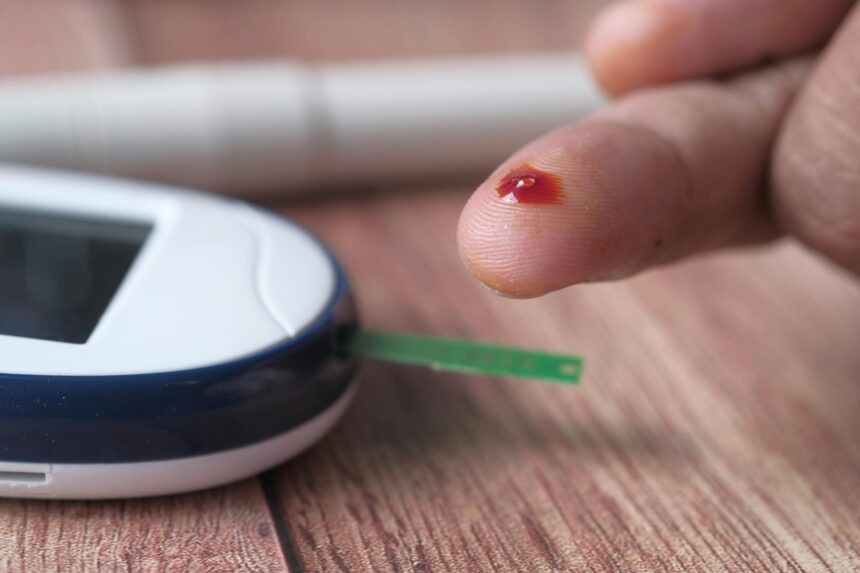
Trividia Health has issued a correction notice for TRUE METRIX blood glucose monitors after reports of an E-5 error code that prevents accurate readings. The FDA advises users experiencing the error with high blood sugar symptoms to seek immediate medical care. — Photo: Towfiqu barbhuiya / Pexels
SHARE
🎧 Listen to this article6:35 min · 947 words · GMJ Audio

Updated 25/05/2026

Contents
      • TRUE METRIX System Safety Alert Timeline
  • Error Code Signals Device Malfunction
  • Trividia’s Guidance for Users
  • Implications for Diabetes Care
    • Key takeaways
  • Frequently asked questions
    • What does the E-5 error code mean on a TRUE METRIX monitor?
    • Do I need to stop using my TRUE METRIX monitor immediately?
    • How should I verify my blood glucose if my monitor shows an E-5 error?
3 min read|663 words

Trividia Health has issued a correction notice for TRUE METRIX blood glucose monitoring systems after reports of an E-5 error code that may prevent accurate glucose readings, according to the FDA Medical Device Alerts. Trividia Health recommends that users experiencing the error code alongside symptoms of hyperglycaemia seek immediate medical attention.

E-5 error code
Device malfunction preventing accurate blood glucose measurement — users advised to seek immediate care if symptomatic

TRUE METRIX System Safety Alert Timeline

Correction notice issued by Trividia Health via FDA Medical Device Alerts

TRUE METRIX
blood glucose
monitoring system
E-5 error
code indicating
device malfunction
Immediate care
recommended for
symptomatic users

Source: FDA Medical Device Alerts | Georgian Medical Journal News

Submit Your Paper
GMJ_Submit_Banner

Error Code Signals Device Malfunction

The E-5 error code on TRUE METRIX monitors indicates that the device cannot process a blood sample correctly, according to the FDA medical device correction notice. Users who encounter this error cannot rely on the displayed glucose reading, creating a potential clinical hazard for diabetes patients who depend on accurate readings to guide insulin dosing and dietary decisions.

Trividia’s Guidance for Users

Trividia Health advises that any user who receives an E-5 error code while experiencing classical hyperglycaemia symptoms—such as increased thirst, frequent urination, or fatigue—should seek medical care immediately rather than relying on the device reading, according to the FDA Medical Device Alerts. The company has not issued a full recall but instead recommends verification of results using an alternative method or clinical evaluation.

Patients should contact their healthcare provider or seek emergency care if they suspect genuine hyperglycaemia, particularly if symptoms persist despite the E-5 error. For more context on device safety standards and recalls, see our Quality & Safety coverage.

Implications for Diabetes Care

Trividia has not specified the scope of affected devices or the underlying technical cause of the E-5 error. Clinicians and patients should remain alert to this issue and consider alternative monitoring methods if they encounter the error code persistently or in conjunction with unexplained symptoms.

Users of TRUE METRIX blood glucose monitors who receive an E-5 error code and experience symptoms of high blood glucose should seek immediate medical care and not rely on the device reading.

— Trividia Health, via FDA Medical Device Alerts

Key takeaways

  • TRUE METRIX monitors may display an E-5 error code that prevents accurate glucose measurement, according to the FDA Medical Device Alerts.
  • Trividia recommends immediate medical evaluation for users with the error code who experience hyperglycaemia symptoms rather than relying on the device reading.
  • No full recall has been issued; the guidance is a correction notice emphasizing the need for clinical verification of results.

Frequently asked questions

What does the E-5 error code mean on a TRUE METRIX monitor?

The E-5 error indicates the device cannot correctly process a blood sample or complete its measurement algorithm, according to the FDA Medical Device Alerts. The displayed reading is unreliable, and the actual blood glucose status cannot be determined from the device alone. Users should treat the error as a device malfunction and not assume the reading is accurate.

Do I need to stop using my TRUE METRIX monitor immediately?

Trividia has not issued a full recall, according to the FDA Medical Device Alerts. However, if you encounter an E-5 error, you should not rely on that particular reading. If you experience symptoms of high blood sugar alongside the error, seek medical attention immediately. Continue monitoring your device for future errors and discuss options with your healthcare provider.

How should I verify my blood glucose if my monitor shows an E-5 error?

Contact your healthcare provider or seek urgent care if you suspect high blood glucose, especially with symptoms like increased thirst or fatigue. Consider using an alternative glucose meter if available, or arrange for laboratory blood glucose testing. Do not delay treatment based on uncertainty from a device error.

Trividia users experiencing persistent or recurrent E-5 errors should consult their healthcare provider about alternative monitoring options and report the issue to the FDA through its MedWatch program.

Source: FDA Medical Device Recall: Blood Glucose Monitor Correction – TRUE METRIX Blood Glucose Monitoring Systems

Was this article helpful?

Disclaimer. This article is health journalism intended for general information and education. It is not medical advice and is not a substitute for professional diagnosis or treatment. Always consult a qualified healthcare provider about your individual circumstances. Full disclaimer →

Related Coverage

MHRA Approves First Needle-Free Adrenaline Nasal Spray for Young ChildrenJul 4, 2026
Toy MRI Scanner Reduces Children's Anxiety Before Medical ScansJul 4, 2026
Prometheus Biotech Secures Record $12 Billion for AI-Powered Drug DevelopmentJul 4, 2026
Senior Executives Shuffle Positions Across Major Pharmaceutical CompaniesJul 4, 2026
Related reference
  • Insulin · Drug
PG
Written by
Prof. Giorgi Pkhakadze, MD, MPH, PhD
Editor-in-Chief, GMJ News
Full profile →  ·  ORCID 0000-0001-7609-4515
Medical disclaimer. This article is health journalism intended for general information. It is not medical advice and is not a substitute for consultation with a qualified healthcare professional. Always seek your physician's advice regarding any medical condition.
Medically reviewed by Prof. Giorgi Pkhakadze, MD, MPH, PhD. Spotted an error? Contact the editorial team.

Get the GMJ News digest
Evidence-based health journalism in your inbox. No spam; unsubscribe anytime.
TAGGED:diabetes careFDA alertglucose monitormedical device safetyTrividia Health
Share This Article
Facebook LinkedIn Bluesky Copy Link Print
GMJ
ByGMJ Practice Desk
Follow:
GMJ Practice Desk is part of GMJ News, the newsroom of the Georgian Medical Journal (gmj.ge), published by the Public Health Institute of Georgia. Every article is editorially reviewed before publication.
Leave a Comment Leave a Comment

Leave a Reply Cancel reply

Your email address will not be published. Required fields are marked *

Submit Your Paper →

Georgia's peer-reviewed open-access medical journal. No APC until January 2027.
Submit Manuscript →
First In Vivo CRISPR Gene Editing Treatment Shows Promise for Rare Blood Disorder

First clinical trial of in vivo CRISPR gene editing for hereditary angioedema…

Hidden Immune Gene Linked to Rare Neurological Movement Disorder

Scientists discovered that CD99L2, a gene previously linked only to immune function,…

WHO Africa Calls for Greater Blood Donation as Critical Shortages Persist Across Region

WHO Africa launches 2026 World Blood Donor Day campaign highlighting critical blood…

Submit Your Paper to GMJ

No APC until January 2027.
Submit Manuscript →

You Might Also Like

Medical professional discussing GLP-1 medication safety and dosing concerns
Clinical UpdatesPractice

Weight Loss Expert Raises Safety Concerns Over Unregulated GLP-1 ‘Microdoses’

By
GMJ Practice Desk
29/05/2026
Medical professional discussing prostate cancer screening with patient, representing expanded access to healthcare
Clinical UpdatesHealth PolicyPolicy & SystemsPractice

UK Expands Prostate Cancer Screening Trial to Include More Black Men at Higher Risk

By
GMJ Practice Desk
02/06/2026
Medical illustration showing CRISPR gene editing process for blood disorders treatmentIllustrative image · "Clinical Feedback!" by juhansonin is licensed under CC BY 2.0. To view a copy of this license, visit https://creativecommons.org/licenses/by/2.0/. (CC BY 2.0)
Clinical UpdatesNew StudiesPracticeResearch Digest

CRISPR Gene Therapy Shows Promise for Children with Sickle Cell Disease and Beta-Thalassemia

By
GMJ Practice Desk
27/06/2026
Healthcare professionals facilitating women's health discussion in community settingIllustrative image · Photo by Reproductive Health Supplies Coalition on Unsplash (Unsplash License)
Clinical UpdatesPractice

Healthcare Professionals Break Barriers Around Women’s Health Taboos in Open Discussion Event

By
GMJ Practice Desk
02/07/2026
Facebook Twitter Youtube Instagram
Company
  • Privacy Policy
  • Contact US
  • GMJ Journal
  • Submit Manuscript
  • Editorial Team
  • Register at GMJ
  • Terms of Use

Subscribe to GMJ News — Click here

Join Community
© 2026 Georgian Medical Journal (GMJ). Published by the Public Health Institute of Georgia (PHIG). All rights reserved.
Welcome Back!

Sign in to your account

Username or Email Address
Password

Lost your password?

Not a member? Sign Up