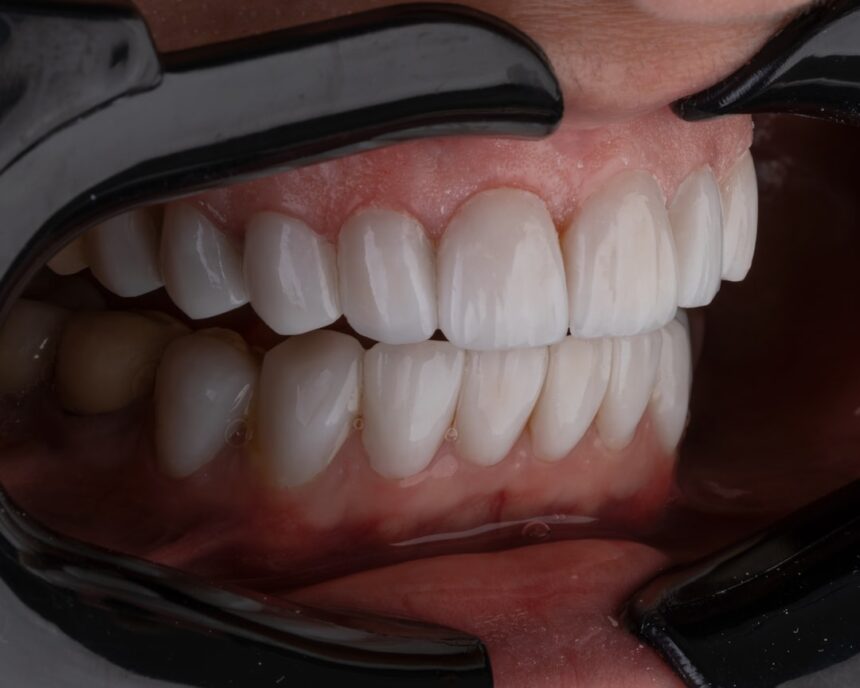
Patients seeking natural tooth regeneration should understand three key facts grounded in developmental science. First, humans possess exactly two sets of teeth by genetic design—no latent third set exists, regardless of age or health status. This two-dentition constraint reflects our evolutionary history and cannot be overcome by biological mechanisms alone.
Second, supernumerary teeth (occurring in a small percentage of the population) represent rare developmental anomalies, not signs of hidden regenerative capacity. Third, regenerative dentistry research shows genuine promise and is advancing rapidly, but clinical-grade tooth regrowth methods remain experimental and are years away from widespread availability. For individuals facing tooth loss today, proven treatments—including implants, bridges, and dentures—remain the evidence-based standard of care. Future breakthroughs in regenerative approaches may expand options, but realistic timelines demand patients plan accordingly.
Was this article helpful?