


Explainers
Plain-language deep dives for public audiences

Caffeine Does Not Create Energy—It Masks Fatigue, Study Shows
Caffeine does not produce energy but instead blocks the brain's fatigue signals, allowing tiredness to accumulate invisibly. Genetic variation in…

How Two Minerals Lock Down Brain Anxiety: Magnesium and Zinc’s Dual Control of Neural Excitation
The brain's primary anxiety-regulating system relies on two independent mineral-based brakes: magnesium physically blocks the NMDA receptor's ion channel pore,…



Astrocytes as Brain Regulators: How a 1989 Video Revealed Hidden Neural Intelligence
A landmark 1989 video by Yale neuroscientist Prof. Stephen J. Smith revealed that astrocytes—long dismissed…

Beyond the Powerhouse: How Mitochondria Control Energy, Stress, and Cell Survival
Mitochondria perform four critical functions: ATP generation, ROS balance, mitochondrial DNA maintenance, and membrane dynamics.…
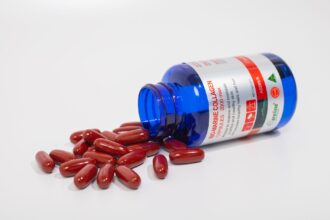
Why Vitamin C Is Essential for Collagen Formation—and Why Supplements Often Miss the Mark
Vitamin C is not optional in collagen formation—it is catalytic. Your body continuously synthesizes collagen,…
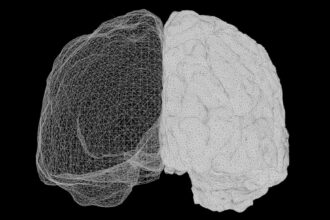
How Your Brain Cleans Itself: The Glymphatic System Explained
Your brain operates a sophisticated waste-removal system called the glymphatic system that functions continuously throughout…

Frozen produce rivals fresh in most vitamins, UC Davis study finds
A UC Davis study comparing vitamin content in frozen and fresh produce found that frozen…