


New Studies
Major findings from Lancet, BMJ, NEJM, JAMA, and other leading journals
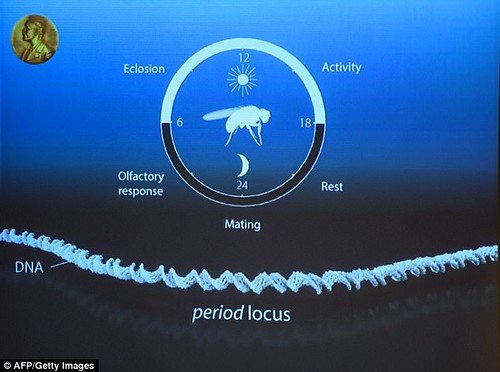
The Brain’s Master Clock: How the Circadian System Controls Sleep, Hunger, and Metabolism
The suprachiasmatic nucleus, a rice-grain-sized brain structure, acts as your body's master clock, orchestrating 24-hour rhythms of sleep, hunger, metabolism,…
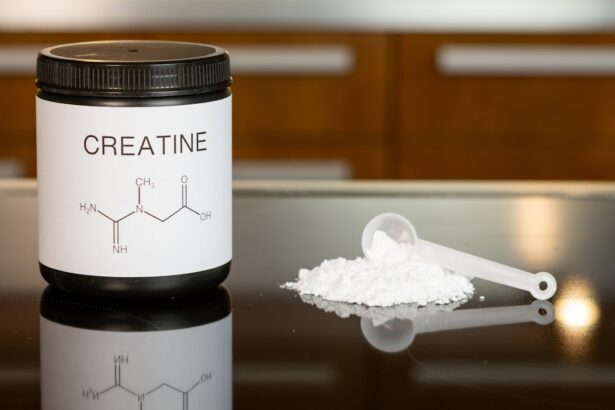
Creatine for Brain Health: What the Evidence Actually Shows
Creatine's muscle-building effects are supported by robust evidence, but cognitive claims rest on a weaker, population-specific foundation. A comprehensive literature…


Sleep Quality Drives Daily Movement More Than Exercise Boosts Rest, 2025 Data Shows
Wearable data from 71,000 adults over 3.5 years reveal that sleep quality predicts next-day physical…

Sleep deprivation damages multiple body systems simultaneously, six controlled studies show
Six controlled studies show that sleep deprivation simultaneously disrupts hormonal regulation, metabolic function, muscle maintenance,…
How Vitamins and Minerals Power Brain Chemistry: The Neurotransmitter Connection
Vitamins B6, B12, folate, and minerals including zinc, magnesium, and iron function as essential cofactors…
Beyond Neurons: How Brain’s Supporting Cells Drive Inflammation and Cognitive Resilience
The brain's health depends on more than neurons alone. A complex cellular ecosystem—astrocytes, microglia, and…

Brain’s Support Cells Hold Key to Mental Health: How Astrocytes, Microglia, and Oligodendrocytes Shape Resilience
The human brain is far more than neurons alone. Astrocytes, microglia, and oligodendrocytes form a…