


New Studies
Major findings from Lancet, BMJ, NEJM, JAMA, and other leading journals
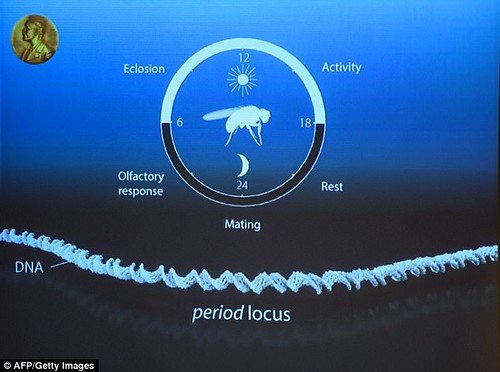
The Brain’s Master Clock: How the Circadian System Controls Sleep, Hunger, and Metabolism
The suprachiasmatic nucleus, a rice-grain-sized brain structure, acts as your body's master clock, orchestrating 24-hour rhythms of sleep, hunger, metabolism,…
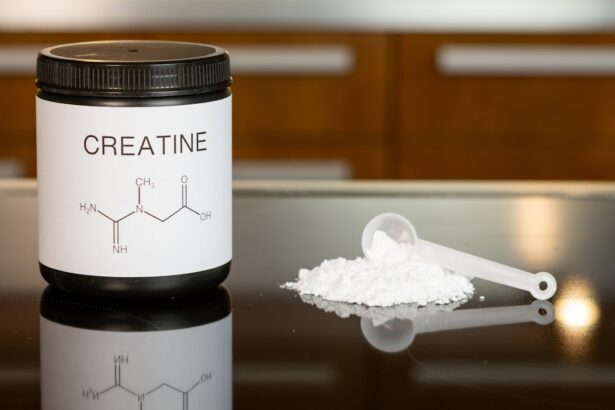
Creatine for Brain Health: What the Evidence Actually Shows
Creatine's muscle-building effects are supported by robust evidence, but cognitive claims rest on a weaker, population-specific foundation. A comprehensive literature…


PQQ Shows Consistent Benefits for Inflammation, Energy, and Memory in Human Trials
Pyrroloquinoline quinone (PQQ), a naturally occurring micronutrient, shows consistent improvements in inflammatory markers, mitochondrial energy…

Matcha vs Steeped Green Tea: Why Preparation Chemistry Matters More Than the Leaf
Matcha and steeped green tea contain the same plant but differ fundamentally in chemistry due…

Why women’s brains lose omega-3 protection: new insights from European Alzheimer’s study
A 2025 study in Alzheimer's & Dementia identifies a sex-specific mechanism: women with Alzheimer's disease…
Creatine in Children With Brain Injury: Evidence Contradicts Safety Fears
A 20-year body of controlled trials demonstrates that creatine supplementation is safe and well-tolerated in…

How Exercise Rebalances Muscle Aging at the Cellular Level
Exercise suppresses DEAF1, a transcription factor that becomes overactive with age and drives excessive muscle…