


New Studies
Major findings from Lancet, BMJ, NEJM, JAMA, and other leading journals
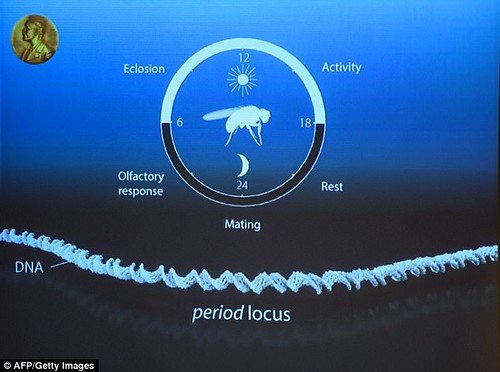
The Brain’s Master Clock: How the Circadian System Controls Sleep, Hunger, and Metabolism
The suprachiasmatic nucleus, a rice-grain-sized brain structure, acts as your body's master clock, orchestrating 24-hour rhythms of sleep, hunger, metabolism,…
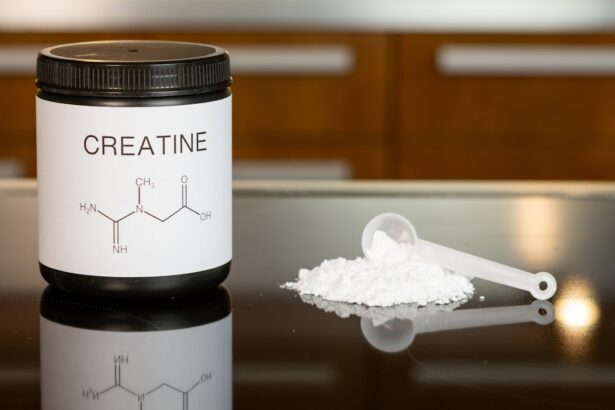
Creatine for Brain Health: What the Evidence Actually Shows
Creatine's muscle-building effects are supported by robust evidence, but cognitive claims rest on a weaker, population-specific foundation. A comprehensive literature…



L-Theanine Shifts Brain Waves Toward Calm Focus Without Sedation, Research Shows
L-theanine, an amino acid in green tea, promotes calm alertness by shifting brain waves toward…

Animal Protein’s Muscle-Building Edge Disappears When Measured Over Days, Not Hours
A 2023 study found that animal protein triggers 47% higher muscle protein synthesis after a…
Mitochondrial metabolism reshapes immunity, stem cells, and tumour development
Mitochondrial TCA cycle intermediates function as master regulators of immune responses, stem cell fate, and…

Three-quarters of the world falls short on omega-3: why 250 mg daily is not optional
A global review of nutrition guidelines shows that 76% of the world's population fails to…
MTHFR Gene Variant and Riboflavin: Why B2 Matters More Than Methylfolate Hype
Clinical trials show that MTHFR C677T TT carriers with hypertension respond to low-dose riboflavin (1.6…