


New Studies
Major findings from Lancet, BMJ, NEJM, JAMA, and other leading journals
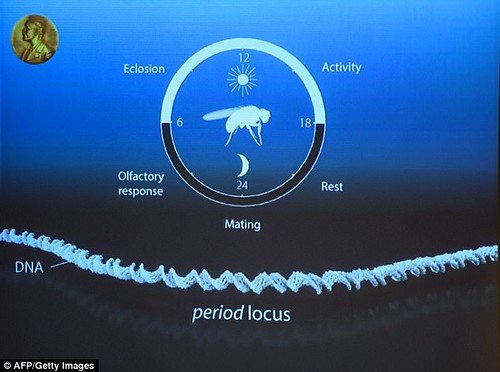
The Brain’s Master Clock: How the Circadian System Controls Sleep, Hunger, and Metabolism
The suprachiasmatic nucleus, a rice-grain-sized brain structure, acts as your body's master clock, orchestrating 24-hour rhythms of sleep, hunger, metabolism,…
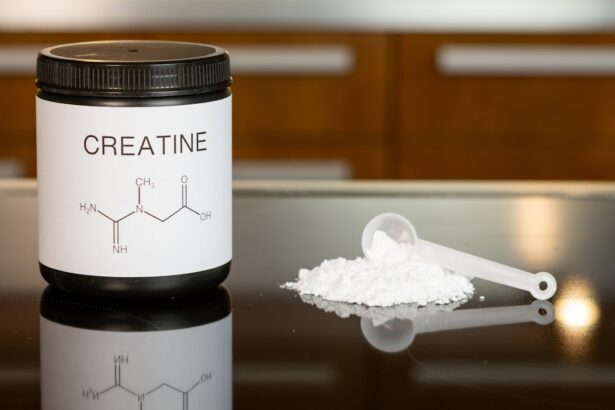
Creatine for Brain Health: What the Evidence Actually Shows
Creatine's muscle-building effects are supported by robust evidence, but cognitive claims rest on a weaker, population-specific foundation. A comprehensive literature…



Bones Are Metabolic Organs: How Mechanical Loading Regulates Blood Sugar
Bone tissue functions as an active metabolic organ that regulates blood sugar through mechanical loading…

Peak fitness in your 30s: why early exercise creates a lifelong health advantage
A 47-year longitudinal study reveals peak physical capacity is reached by the mid-30s and declines…

Vitamin D Supplementation Boosts Breast Cancer Response to Chemotherapy in Randomized Trial
A randomized trial published in Nutrition and Cancer found that vitamin D3 supplementation at 2,000…

Resistance Training 2–3 Times Weekly Reduces Brain Age, Randomized Trial Shows
A randomized controlled trial in GeroScience shows that 2–3 weekly sessions of structured resistance training…

Fitness habits forged in youth widen dramatically by age 63, but late starters can still improve
A 47-year Swedish study of 427 adults found that fitness diverges dramatically between active and…