


New Studies
Major findings from Lancet, BMJ, NEJM, JAMA, and other leading journals

Astaxanthin and Mitochondria: What Aging Research Actually Shows
From membrane-spanning antioxidant chemistry to lifespan extension in model organisms and selection for the NIA's rigorous Interventions Testing Program —…
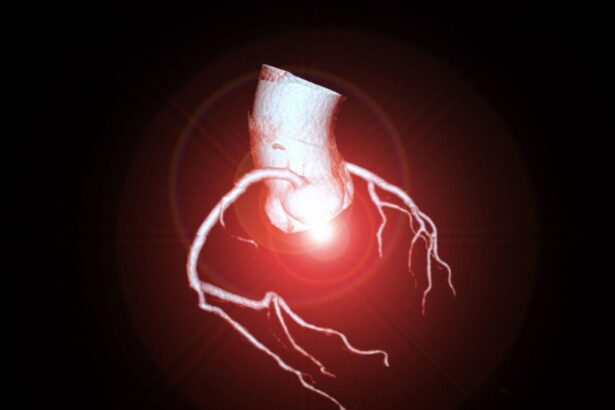
CoQ10 Declines With Age: The Cellular Energy Story
Tissue CoQ10 falls substantially from early adulthood — in the heart by around 40% by later life — while statins…

Vitamin D Supplementation Boosts Breast Cancer Response to Chemotherapy in Randomized Trial
A randomized trial published in Nutrition and Cancer found that vitamin D3 supplementation at 2,000…

Resistance Training 2–3 Times Weekly Reduces Brain Age, Randomized Trial Shows
A randomized controlled trial in GeroScience shows that 2–3 weekly sessions of structured resistance training…

Fitness habits forged in youth widen dramatically by age 63, but late starters can still improve
A 47-year Swedish study of 427 adults found that fitness diverges dramatically between active and…
The Science Behind Magnesium Forms: What Evidence Actually Supports Organ-Specific Supplements
Supplement brands market specific magnesium forms for targeted organs—threonate for the brain, glycinate for sleep,…
PQQ Shows Consistent Benefits for Inflammation, Energy, and Memory in Human Trials
Human clinical studies document consistent benefits of pyrroloquinoline quinone (PQQ) supplementation on inflammation, energy metabolism,…