


New Studies
Major findings from Lancet, BMJ, NEJM, JAMA, and other leading journals
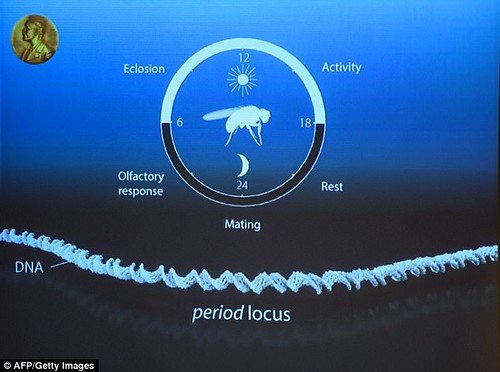
The Brain’s Master Clock: How the Circadian System Controls Sleep, Hunger, and Metabolism
The suprachiasmatic nucleus, a rice-grain-sized brain structure, acts as your body's master clock, orchestrating 24-hour rhythms of sleep, hunger, metabolism,…
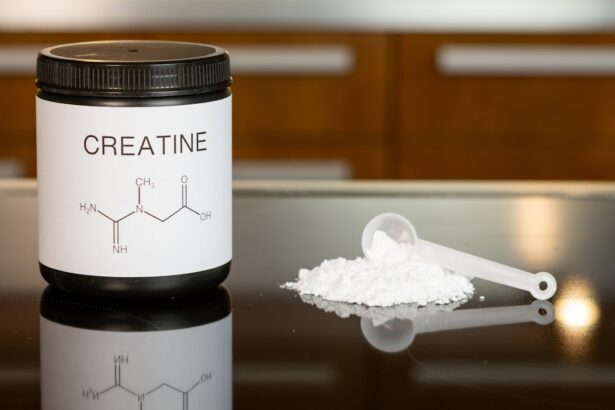
Creatine for Brain Health: What the Evidence Actually Shows
Creatine's muscle-building effects are supported by robust evidence, but cognitive claims rest on a weaker, population-specific foundation. A comprehensive literature…


Apigenin Shows Promise in Lab Studies, But Human Evidence Remains Elusive
Apigenin, a plant compound featured in sleep and longevity supplements, has demonstrated activity at multiple…
Light roast coffee retains highest chlorogenic acid levels, study shows
Light roast coffee preserves 8.0 mg/g of chlorogenic acids compared to 4.35 mg/g in dark…

How Diet Shapes Your Gut Microbiome—and Why It Matters for Health
Food functions as a biological intervention that reshapes your gut microbiome, directly controlling inflammation, glucose…

Vitamin K’s Hidden Hierarchy: Why Your Body Prioritises Blood Clotting Over Bone Health
Current vitamin K dietary guidelines prioritise blood clotting at the expense of bone and arterial…

Organs Age Independently: Stanford Study Shows Brain and Immune System Drive Lifespan Risk
Stanford researchers measured plasma proteins in 44,498 people and built separate aging clocks for 11…