


New Studies
Major findings from Lancet, BMJ, NEJM, JAMA, and other leading journals
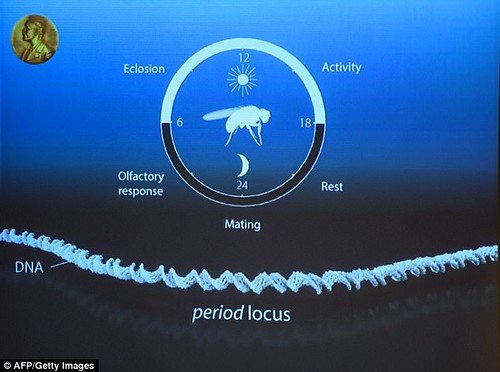
The Brain’s Master Clock: How the Circadian System Controls Sleep, Hunger, and Metabolism
The suprachiasmatic nucleus, a rice-grain-sized brain structure, acts as your body's master clock, orchestrating 24-hour rhythms of sleep, hunger, metabolism,…

Creatine for Brain Health: What the Evidence Actually Shows
Creatine's muscle-building effects are supported by robust evidence, but cognitive claims rest on a weaker, population-specific foundation. A comprehensive literature…

Post-exercise brain signal may be key to fitness gains, mouse study suggests
Researchers at Jackson Laboratory and University of Pennsylvania identified brain neurons that appear necessary for…

High-Carbohydrate Breakfast Fails to Boost Glycogen in Well-Trained Cyclists
A new study found that a large carbohydrate breakfast did not increase liver or muscle…
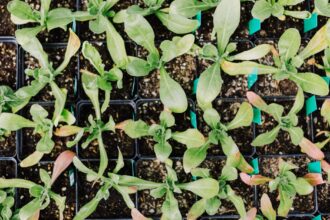
How Plants Send Electrical Distress Signals After Injury—Using the Same Molecule as Human Nerves
Plants deploy a glutamate-mediated calcium signaling system to detect injury and coordinate rapid defensive responses—using…

Vitamin D Deficiency Links to Multiple Chronic Diseases, New Review Shows
A comprehensive review in Nutrients documents how vitamin D deficiency impairs immune function and is…

Why Nutraceuticals Help Depression: Not by Acting as Drugs, but by Fixing What Antidepressants Miss
A 2025 meta-analysis reveals that nutraceuticals improve depression outcomes when added to antidepressants—not by mimicking…