Updated 13/09/2026
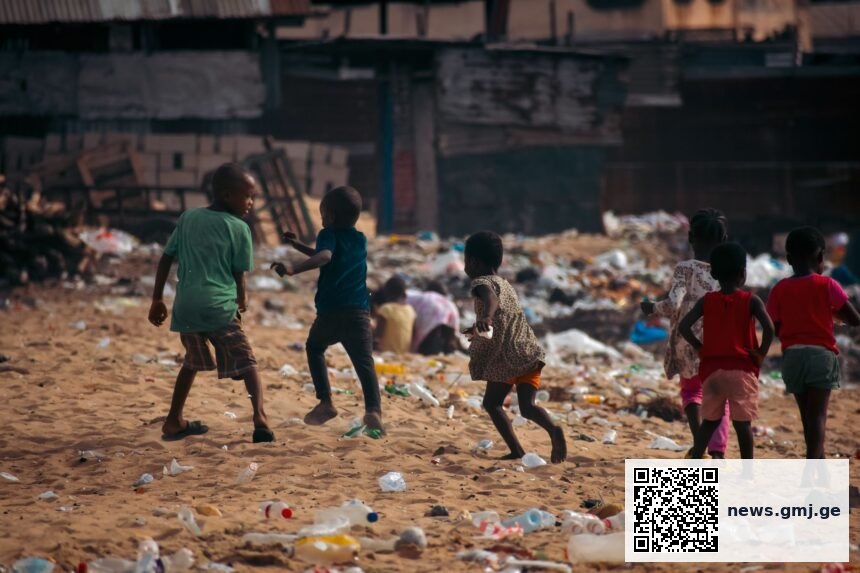
Climate change poses an unprecedented threat to children’s health, nutrition, and survival worldwide, with over 2.2 billion children facing heightened risks from extreme weather events, according to testimony delivered to the United Nations Security Council.
Children Most Vulnerable to Climate Health Impacts
Percentage of global child population affected by climate threats, 2024
extreme heat
scarcity
multiple threats
Source: UNICEF Security Council Briefing, 2024 | Georgian Medical Journal News

Children Bear Disproportionate Climate Health Burden
Ted Chaiban, UNICEF Deputy Executive Director, emphasized to the Security Council that children’s physiological vulnerability makes them particularly susceptible to climate-related health impacts. Their developing immune systems and higher metabolic rates increase their risk of heat-related illness, vector-borne diseases, and malnutrition.
The briefing highlighted how climate change exacerbates existing health inequities, with children in low-income countries facing the greatest risks despite contributing least to global emissions. Access to essential health services becomes increasingly compromised as extreme weather events damage healthcare infrastructure and disrupt supply chains.
Food Security Crisis Deepens Health Risks
Climate-induced food insecurity affects children’s nutritional status and long-term health outcomes, according to the World Health Organization. Rising temperatures and changing precipitation patterns threaten agricultural productivity, leading to increased rates of stunting and wasting among vulnerable populations.
The testimony noted that extreme weather events disrupt food distribution systems, making nutritious foods less accessible and affordable for families. This nutritional crisis compounds children’s vulnerability to infectious diseases and developmental delays. For more analysis on health policy implications, see our coverage of global health governance.
Health Systems Under Climate Pressure
Healthcare systems worldwide struggle to adapt to climate-related health challenges, particularly in regions with limited resources. The briefing outlined how extreme weather events overwhelm medical facilities while simultaneously increasing demand for emergency care and treatment of climate-sensitive diseases.
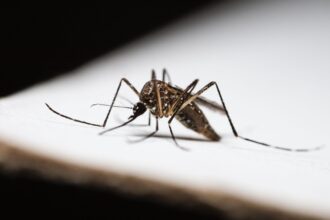
Vector-borne diseases like malaria and dengue fever are expanding into new geographic regions as warming temperatures create suitable conditions for disease vectors. This geographic expansion strains public health surveillance systems and requires new approaches to disease prevention and control, as documented in recent global health research.
International Response and Policy Implications
The Security Council briefing called for enhanced international cooperation to protect children from climate health threats. Chaiban emphasized the need for climate-resilient health systems and increased investment in adaptation measures that prioritize children’s needs.
The testimony highlighted successful interventions, including early warning systems for extreme weather events and community-based health programs that build resilience. These approaches demonstrate the potential for targeted investments to reduce children’s climate vulnerability when implemented at scale.
Climate change is not a distant threat – it is happening now and affecting children’s health in every region of the world, requiring urgent action to protect the most vulnerable.
— Ted Chaiban, UNICEF Deputy Executive Director (UN Security Council Briefing, 2024)
Key takeaways
- Over 2.2 billion children worldwide face heightened health risks from climate change impacts
- Children’s physiological vulnerability makes them disproportionately affected by extreme heat, water scarcity, and food insecurity
- Climate-resilient health systems and international cooperation are essential to protect vulnerable populations
Frequently asked questions
Why are children more vulnerable to climate health impacts than adults?
Children have developing immune systems, higher metabolic rates, and greater surface area-to-body weight ratios, making them more susceptible to heat stress, dehydration, and environmental toxins. They also depend on adults for protection and may not recognize or communicate health threats effectively.
Which climate-related health threats pose the greatest risks to children?
The primary threats include extreme heat exposure affecting 89% of children globally, water scarcity impacting 85%, and the combination of multiple climate hazards affecting 74% of the world’s children according to UNICEF data.
What can be done to protect children from climate health impacts?
Effective strategies include developing climate-resilient healthcare systems, implementing early warning systems for extreme weather, ensuring access to clean water and nutritious food, and investing in community-based health programs that build adaptive capacity.
The Security Council briefing underscores the urgent need for coordinated global action to address climate change as a fundamental threat to children’s health and development. As extreme weather events become more frequent and severe, protecting vulnerable populations requires both immediate humanitarian response and long-term investments in climate adaptation and resilience-building measures.
Source: UNICEF Deputy Executive Director Ted Chaiban United Nations Security Council Briefing
🗺️ Find certified Georgian healthcare providers: sheniekimi.ge — Georgia Health Map · 998 clinics · 6,600+ doctors · 2,296 pharmacies
Was this article helpful?
Disclaimer. This article is health journalism intended for general information and education. It is not medical advice and is not a substitute for professional diagnosis or treatment. Always consult a qualified healthcare provider about your individual circumstances. Full disclaimer →
Related Coverage




Editorial standards. This article was produced under the GMJ News editorial process, with oversight by the GMJ Editorial Board. Our editorial process. Spotted an error? Contact the editorial team.