Medically reviewed by Prof. Giorgi Pkhakadze, MD MPH PhD
Professor of Public Health, David Tvildiani Medical University · Chair, Public Health Institute of Georgia · WHO Consultant, Health & Migration · Editor-in-Chief, Georgian Medical Journal
Malaria represents the foremost health threat to safari travellers in sub-Saharan Africa, yet this risk is entirely preventable through systematic preparation. Transmission occurs via the female Anopheles mosquito, which is primarily active between dusk and dawn [1]. Travellers who understand the epidemiology and implement preventive measures before departure significantly reduce their risk of infection.
Transmission Risk Patterns in Kenya and Tanzania
Malaria risk is stratified by altitude and seasonal rainfall. Coastal regions, the Lake Victoria basin, and low-altitude game reserves experience year-round transmission [2]. Nairobi, situated at 1,700 metres elevation, carries low but non-zero risk. The Masai Mara (1,500–2,000 m) exhibits moderate seasonal transmission that intensifies during and immediately following the long rains (April to June). Globally, the WHO documented 249 million malaria cases in 2022, with sub-Saharan Africa accounting for 94% of the burden [3]. Travellers should obtain personalised risk stratification from a travel medicine specialist based on their precise itinerary and clinical history.
Chemoprophylactic Options
Atovaquone-proguanil (Malarone)
This is the most frequently prescribed agent for East African travel [4]. Administer daily, commencing one to two days before entering a risk zone and continuing seven days after departure. Most travellers tolerate it well, though cost becomes prohibitive for journeys exceeding three weeks.

Doxycycline
An inexpensive and efficacious alternative, taken daily starting two days before travel [4]. A notable drawback is photosensitivity, which has clinical implications given the intensive sun exposure typical of safari activities. Contraindicated in pregnancy.
Mefloquine (Lariam)
Administered weekly, this agent requires initiation three weeks before departure. A subset of users experience neuropsychiatric adverse effects [5]. Current practice favours alternative agents, though mefloquine remains suitable for selected travellers.
Non-Pharmacological Prevention
Chemoprophylaxis alone does not eliminate transmission risk. Integrate the following measures [1, 6]:
- DEET-based insect repellent (30–50% concentration) applied to exposed skin from 16:00 onwards
- Long-sleeved shirts and trousers in light colours worn during dusk and dawn periods
- Sleeping under a permethrin-impregnated mosquito net
- Air conditioning or mechanical ventilation, which impairs mosquito flight capacity
Management of Febrile Illness During or After Travel
Any fever occurring during travel or within three months of return from a malaria-endemic area requires immediate medical evaluation [7]. Inform all healthcare providers of your recent travel to sub-Saharan Africa. Early diagnosis and treatment are curative; delayed recognition carries significant mortality risk.
Africa Calling’s destination briefing documents specify current transmission intensity and individualised prophylaxis recommendations. Whilst not medical providers, we equip every traveller with the essential information to discuss with their physician prior to departure. Please contact us before you travel.
References
- World Health Organization. Malaria. WHO Fact Sheet. Geneva: WHO; 2023. Available from: https://www.who.org/news-room/fact-sheets/detail/malaria
- Centers for Disease Control and Prevention. Malaria in Kenya. CDC Yellow Book 2024. Atlanta: CDC; 2023. Available from: https://wwwnc.cdc.gov/travel/destinations/traveler/none/kenya
- World Health Organization. World Malaria Report 2023. Geneva: WHO; 2023. Available from: https://www.who.org/publications/i/item/9789240086173
- Schlagenhauf P, Petersen E. Malaria chemoprophylaxis: strategies for risk groups. Clin Microbiol Rev. 2008;21(3):466–472. doi:10.1128/CMR.00059-07
- Toovey S. Mefloquine neurotoxicity: a literature review. Travel Med Infect Dis. 2009;7(1):2–6. doi:10.1016/j.tmaid.2008.12.004
- Goodyer L, Croft AM, Frances SP, et al. Expert review of the evidence base for arthropod bite avoidance. J Travel Med. 2010;17(3):182–192. doi:10.1111/j.1708-8305.2010.00411.x
- National Institute for Health and Care Excellence (NICE). Malaria: NICE guideline NG190. London: NICE; 2020. Available from: https://www.nice.org.uk/guidance/ng190
Source and partnership
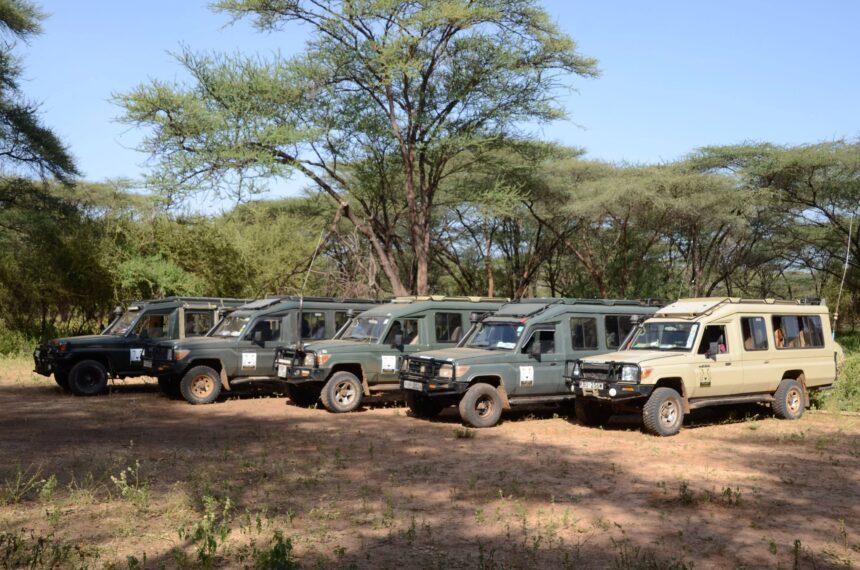
Originally published by Africa Calling Safaris on 29 December 2025 and republished here, lightly edited for an international medical readership, under the GMJ News–Africa Calling Safaris Travel Medicine partnership. Photograph courtesy of Africa Calling Safaris.
Read the original: Malaria Prevention for Safari Travellers: The Complete Guide
Was this article helpful?
Disclaimer. This article is health journalism intended for general information and education. It is not medical advice and is not a substitute for professional diagnosis or treatment. Always consult a qualified healthcare provider about your individual circumstances. Full disclaimer →
Related Coverage


Editorial standards. This article was produced under the GMJ News editorial process, with oversight by the GMJ Editorial Board. Our editorial process. Spotted an error? Contact the editorial team.