Updated 13/09/2026
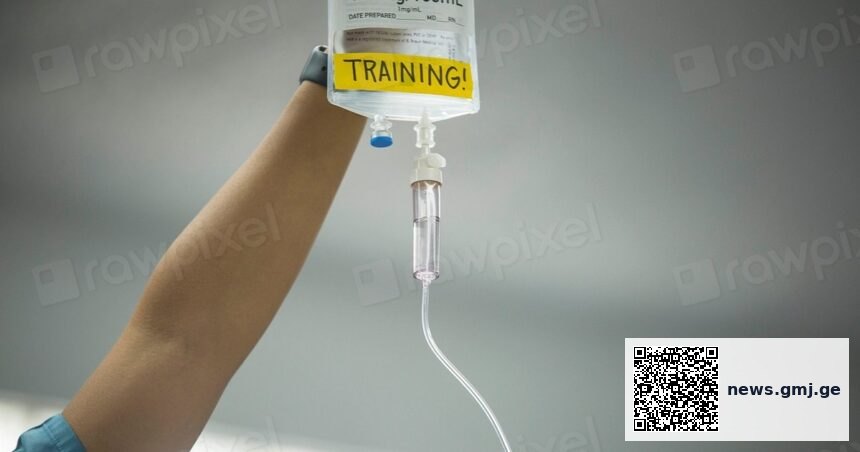
Photo: 3rd Medical Battalion nurses and, by U.S. Navy Medicine · Public domain / CC0 · Source
Plain-language summary of research published in the Georgian Medical Journal. Written for the general public by the GMJ News editorial team.
NAD⁺ injections and infusions, along with oral “NAD boosters” like nicotinamide riboside and nicotinamide mononucleotide, have rapidly expanded in wellness markets — often marketed for anti-ageing, “detoxification,” and cognitive enhancement. A narrative public health review in the Georgian Medical Journal asks a pointed question: has consumer exposure outrun the actual clinical evidence?

Why NAD⁺ Attracted Attention
Nicotinamide adenine dinucleotide (NAD⁺) is a genuinely essential coenzyme, central to cellular energy metabolism, redox balance, DNA repair, immune regulation, and stress-response signalling. Age-associated changes in NAD⁺ biology have real scientific interest behind them, generating a body of preclinical research — the coenzyme itself is not the problem the review raises.
Where the Evidence Actually Stands
The gap the review focuses on is between that preclinical science and the commercial product now being sold: population exposure to NAD⁺ injections and boosters has increased well ahead of outcomes-based clinical evidence and long-term safety evaluation. The review conducted a narrative public health and regulatory analysis specifically to assess the public health implications — adverse effects, long-term uncertainty, product quality risks, misinformation-driven behavioural harm, and the downstream burden this places on health systems when things go wrong.
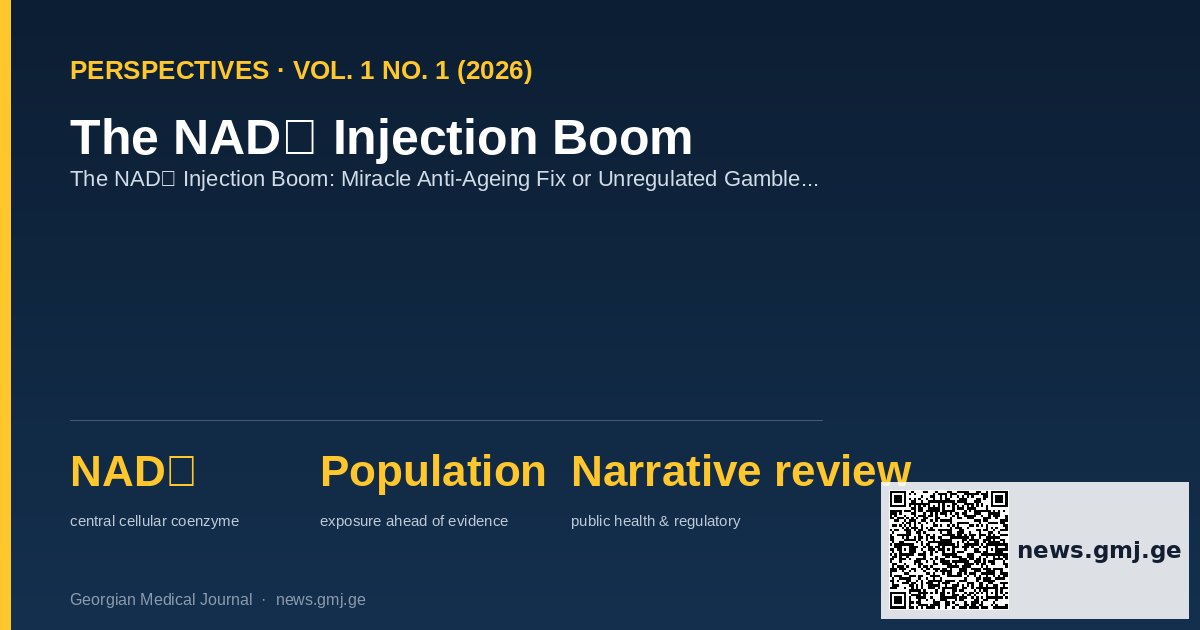
At a glance — the headline figures.
The review’s framing is explicitly regulatory rather than alarmist: it’s not arguing NAD⁺ biology is fake, but that a wellness industry has moved faster than the evidence base that would normally govern a medical intervention — creating exactly the conditions where product quality varies unpredictably, safety signals go unmonitored, and consumers make decisions based on marketing claims rather than outcomes data. For clinicians, the practical takeaway is that patients are very likely already using these products, whether or not their doctor has raised the topic first.
🗺️ Find certified Georgian healthcare providers: sheniekimi.ge — Georgia Health Map · 998 clinics · 6,600+ doctors · 2,296 pharmacies
Read the Original Research
Original article: The NAD⁺ Injection Boom: Miracle Anti-Ageing Fix or Unregulated Gamble?
Published in: Georgian Medical Journal, Vol. 1 No. 1 (2026)
DOI: 10.5281/zenodo.19051458
📄 Read the full article at gmj.ge →
Georgian Medical Journal (GMJ) · ISSN 3088-4322 · gmj.ge · Open Access CC BY 4.0 · Published by the Public Health Institute of Georgia (PHIG). This summary is an independent editorial product of GMJ News; for clinical decisions, consult the original peer-reviewed article and a qualified professional.
Was this article helpful?
Disclaimer. This article is health journalism intended for general information and education. It is not medical advice and is not a substitute for professional diagnosis or treatment. Always consult a qualified healthcare provider about your individual circumstances. Full disclaimer →
Related Coverage



Editorial standards. This article was produced under the GMJ News editorial process, with oversight by the GMJ Editorial Board. Our editorial process. Spotted an error? Contact the editorial team.