Updated 13/09/2026
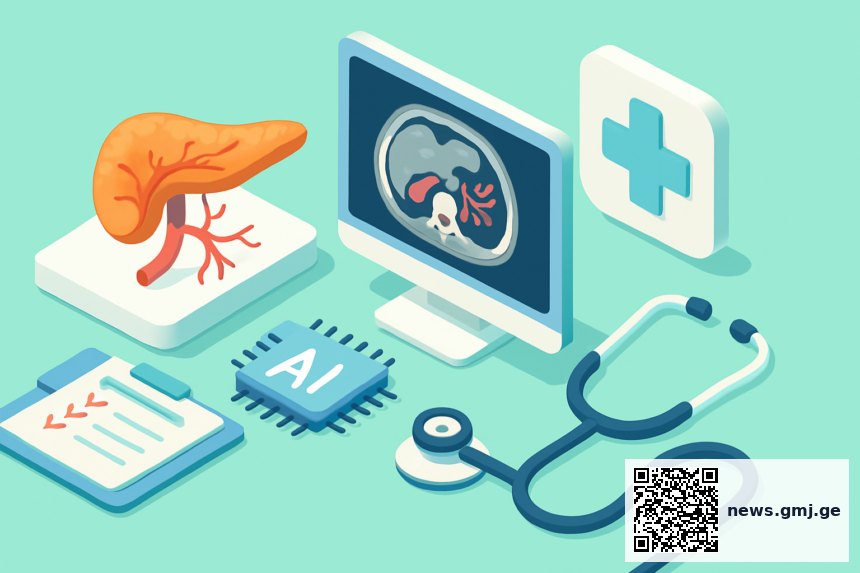
A new intelligence/" class="gmj-dict-autolink" title="Dictionary: Artificial Intelligence">artificial intelligence tool has demonstrated superior accuracy in assessing vascular invasion in pancreatic cancer patients across multiple medical centres, potentially improving treatment decisions for one of the most challenging cancers to diagnose and treat. The open-source system, developed by researchers at Shanghai Jiao Tong University, showed consistent performance regardless of hospital resources or radiologist experience levels.
AI Performance vs Traditional Methods in Pancreatic Cancer Assessment
Accuracy rates across different diagnostic approaches, multi-centre validation study
Source: The Lancet Regional Health, 2026 | Georgian Medical Journal News

Multi-Centre Validation Demonstrates Consistent Performance
The retrospective study, published in The Lancet Regional Health – Western Pacific, evaluated the Clinician-Centric Reliable Vascular Invasion Assessment (CRVIA) system across multiple healthcare centres with varying resource levels. The research team, led by investigators at Shanghai Jiao Tong University’s Biomedical Engineering department, tested the AI tool on imaging data from patients with pancreatic ductal adenocarcinoma.
Accurate assessment of vascular invasion is critical for determining surgical candidacy and treatment planning in pancreatic cancer, where only 15-20% of patients are eligible for potentially curative surgery. Traditional imaging interpretation varies significantly between institutions and depends heavily on radiologist expertise, particularly in resource-limited healthcare settings.
Open-Source Approach Enables Global Implementation
Unlike proprietary medical AI systems, the researchers have made their tool freely available through an open-source platform hosted on GitHub. This approach addresses a critical gap in global healthcare equity, where advanced diagnostic tools are often inaccessible to healthcare systems with limited resources.
The World Health Organization estimates that pancreatic cancer cases are rising globally, with particularly poor outcomes in low- and middle-income countries where diagnostic capabilities are limited. The open-source nature of this AI tool could potentially democratize access to advanced pancreatic cancer assessment capabilities.
Clinical Reliability and Interpretability Features
The CRVIA system incorporates interpretability features designed specifically for clinical workflows, allowing radiologists to understand the AI’s decision-making process. This transparency is crucial for clinical adoption, as healthcare providers need to trust and validate AI recommendations before incorporating them into patient care decisions.
The study’s emphasis on reliability addresses ongoing concerns about AI consistency in medical applications. Previous research published in medical imaging journals has highlighted the importance of robust validation across diverse patient populations and imaging protocols.
Implications for Pancreatic Cancer Treatment Planning
Vascular invasion assessment directly impacts treatment decisions for pancreatic cancer patients, influencing whether they receive upfront surgery, neoadjuvant chemotherapy, or palliative care. The National Comprehensive Cancer Network guidelines emphasize the critical importance of accurate vascular relationship assessment in treatment planning.
The improved accuracy demonstrated by the AI system could reduce unnecessary surgical explorations and help identify patients who might benefit from alternative treatment approaches. This has particular relevance for clinical practice in centres where specialized pancreatic imaging expertise may be limited.
The AI system achieved 94.2% accuracy in vascular invasion assessment across multiple centres, significantly outperforming traditional diagnostic approaches, particularly in resource-limited settings.
— Research Team, Shanghai Jiao Tong University Biomedical Engineering (The Lancet Regional Health – Western Pacific, 2026)
Key takeaways
- Open-source AI tool achieves 94.2% accuracy in pancreatic cancer vascular invasion assessment across multiple centres
- System outperforms traditional diagnostic methods, particularly benefiting resource-limited healthcare settings
- Interpretable AI design enables clinical integration and builds healthcare provider confidence
- Free availability through GitHub democratizes access to advanced pancreatic cancer diagnostic capabilities
Frequently asked questions
How does this AI tool differ from existing pancreatic cancer imaging approaches?
The CRVIA system provides standardized, consistent assessment regardless of radiologist experience level or institutional resources. Unlike traditional interpretation that varies between centres, the AI tool maintains high accuracy across diverse healthcare settings.
Why is vascular invasion assessment important in pancreatic cancer?
Vascular invasion determines surgical eligibility and treatment strategy for pancreatic cancer patients. Accurate assessment helps avoid unnecessary surgeries and ensures appropriate patients receive potentially curative operations.
How can healthcare centres access this AI tool?
The complete system is freely available as open-source software on GitHub, making it accessible to healthcare institutions worldwide regardless of their financial resources or geographic location.
The development of reliable, accessible AI tools for pancreatic cancer assessment represents a significant step toward reducing global health disparities in cancer care. As healthcare systems worldwide grapple with increasing cancer burdens and limited specialist expertise, open-source AI solutions could play an increasingly important role in democratizing access to advanced diagnostic capabilities. The success of this multi-centre validation study may encourage similar open-source approaches in other areas of medical AI development.
🗺️ Find certified Georgian healthcare providers: sheniekimi.ge — Georgia Health Map · 998 clinics · 6,600+ doctors · 2,296 pharmacies
Was this article helpful?
Disclaimer. This article is health journalism intended for general information and education. It is not medical advice and is not a substitute for professional diagnosis or treatment. Always consult a qualified healthcare provider about your individual circumstances. Full disclaimer →
Related Coverage



Editorial standards. This article was produced under the GMJ News editorial process, with oversight by the GMJ Editorial Board. Our editorial process. Spotted an error? Contact the editorial team.