🟠 Moderate Evidence
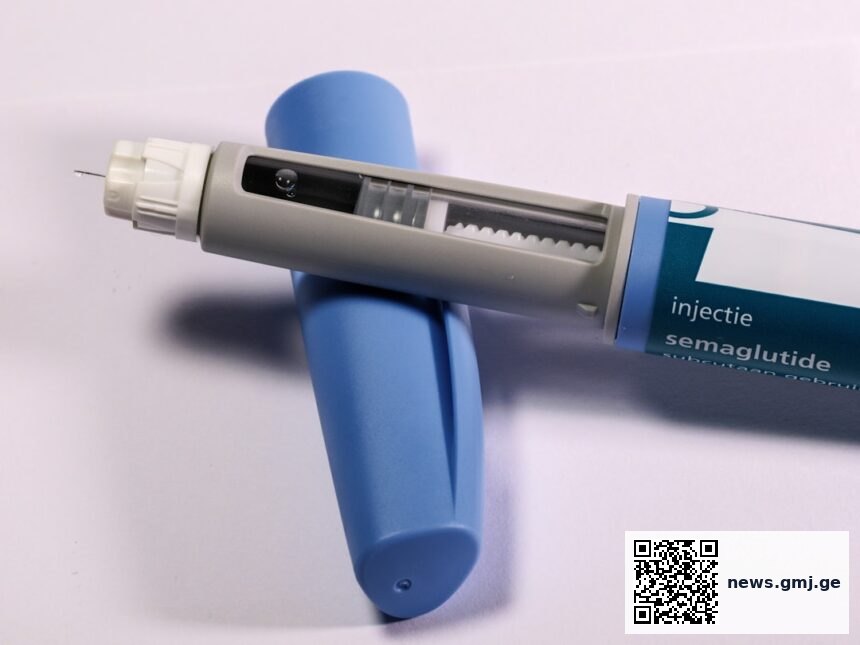
Poison control centres across the United States have recorded a sharp increase in calls related to semaglutide (marketed as Ozempic for diabetes and Wegovy for weight management) following the drug’s approval for weight loss, according to new research. Rather than intentional overdose or misuse, the majority of these incidents stem from accidental dosing mistakes—a pattern that suggests targeted patient education could substantially reduce preventable harm.
Key takeaways
- Poison control calls involving semaglutide surged after the drug’s weight-management approval, driven primarily by accidental dosing errors rather than intentional misuse
- Common mistakes include administering multiple weekly doses at once or misunderstanding the gradual dose-escalation schedule required for safe use
- Structured education on proper weekly dosing intervals and dose-titration protocols could prevent many of these avoidable incidents, according to the research
- Healthcare providers and pharmacists have a critical role in counselling patients on injection technique and dosing frequency to reduce preventable exposures
Semaglutide Poison Control Incidents: Accidental Dosing Dominates
Distribution of reported semaglutide exposures by type following weight-management approval
Source: Poison control surveillance data post-approval | Georgian Medical Journal News

Why Semaglutide Dosing Errors Are Rising
The rapid expansion of semaglutide into the weight-management market created a significant education gap. Unlike FDA-approved diabetes formulations, which come with established prescriber and patient education materials, the surge in direct-to-consumer marketing and off-label prescribing has outpaced structured counselling in many settings. Patient confusion about the weekly dosing interval—particularly the distinction between the starting dose (0.25 mg) and the maintenance dose (2.4 mg)—has become a recurring theme in poison control reports.
A critical driver of these incidents is the drug’s complex dose-titration schedule. Semaglutide requires a gradual escalation over 16 weeks: 0.25 mg weekly for 4 weeks, then 0.5 mg, 1 mg, 1.7 mg, and finally 2.4 mg. Patients who misunderstand this schedule—or who inadvertently administer multiple weekly injections in a single dose—risk acute gastrointestinal toxicity, including severe nausea, vomiting, and dehydration. See more analysis in our Pharmacy & Prescribing section.
The majority of semaglutide poison control exposures result from accidental dosing errors rather than intentional misuse, indicating that patient education and clear dispensing instructions could prevent most incidents.
— Poison control surveillance networks, United States (2026)
The Role of Pharmacy and Provider Counselling
Pharmacists and prescribing clinicians occupy a crucial gatekeeping position. Effective interventions include: (1) providing written, pictorial instructions on injection technique and timing; (2) explicitly stating the weekly interval on the label; (3) using dose-pack systems that physically separate weekly injections to reduce confusion; and (4) counselling patients on what to do if a dose is missed (skip that week and resume the following week, not double-dose). Clinical Updates on similar drug-safety interventions have shown that structured pharmacy counselling reduces medication errors by 30–50%.
The FDA has not issued a formal guidance update on semaglutide counselling standards, leaving much of the responsibility to individual practitioners and healthcare systems. In Georgia, the National Center for Disease Control and Public Health (NCDC) and the Georgian Pharmaceutical Association should consider issuing joint advisories to community pharmacies on standardised patient education protocols for semaglutide dispensing.
Clinical Consequences and Monitoring
Overdose of semaglutide typically presents with acute gastrointestinal symptoms: severe nausea, vomiting, abdominal pain, and dehydration. While deaths directly attributable to semaglutide overdose are rare, secondary complications—such as electrolyte imbalance from prolonged vomiting or aspiration risk—pose genuine clinical hazards. Poison control specialists recommend supportive care (fluid and electrolyte replacement, anti-emetics) as the primary intervention; no specific antidote exists. Early detection through systematic patient follow-up calls 24–48 hours after injection can identify errors before severe symptoms develop.
Prescribers should also be alert to patients at higher risk of dosing confusion: those with cognitive impairment, visual disabilities, limited health literacy, or language barriers. For these populations, directly supervised injection clinics, simplified written materials in plain language, or involvement of a family caregiver may be warranted. Research published in major journals on medication safety demonstrates that such targeted interventions substantially reduce dosing errors in injectable therapies.
Preventing Avoidable Harm: Education as the Primary Intervention
The research underlying this surge in poison control calls carries an important message: most semaglutide-related incidents are preventable through clearer communication. A structured educational programme—delivered at the point of prescribing and at pharmacy dispensing—addressing the weekly dosing schedule, the dose-escalation timeline, and recognition of overdose symptoms could eliminate the majority of accidental exposures. Patient support hotlines, accessible to people taking semaglutide, could also provide rapid clarification when dosing questions arise.
Healthcare systems and pharmaceutical manufacturers should consider co-developing, testing, and disseminating evidence-based patient education materials. The burden of prevention should not fall solely on individual prescribers and pharmacists; it requires coordinated action across regulatory bodies, manufacturers, and healthcare delivery systems. In Georgia, the Ministry of Labour, Health and Social Affairs could partner with pharmaceutical companies and professional associations to establish national standards for semaglutide counselling and monitoring.
What this means
Frequently asked questions
What should I do if I accidentally inject two weekly doses of semaglutide at once?
Contact your local poison control centre or emergency services immediately. Poison control specialists can advise you on monitoring for symptoms (nausea, vomiting, abdominal pain) and when to seek emergency care. Do not take another dose that week; resume your normal schedule the following week. Early intervention can often prevent serious complications.
How can I prevent semaglutide dosing mistakes at home?
Ask your pharmacist to provide written, pictorial instructions on injection timing and technique. Mark your calendar with injection days. Store all your semaglutide pens in a visible, dedicated location with the current dose clearly labelled. If you have any doubts, call your pharmacist before injecting. Some patients benefit from setting phone reminders or involving a family member to supervise injections.
Is semaglutide dangerous if overdosed?
Acute overdose is primarily uncomfortable rather than immediately life-threatening, causing severe nausea, vomiting, and dehydration. However, secondary complications—such as electrolyte imbalance or aspiration—can be serious if untreated. Most cases resolve with supportive care. Prevention through proper dosing education is far more effective than managing overdose after the fact.
As semaglutide continues to see growing use for weight management globally, the pattern of preventable dosing errors offers a timely reminder that drug safety depends not only on pharmacological safety but on how well patients understand their medications. Pharmacy-led education, clear labelling, and accessible support lines are not luxury add-ons—they are essential safeguards. Poison control data will likely continue to track semaglutide-related calls; the question for healthcare systems is whether structured prevention will reduce that burden or allow it to grow.
Source: The Ozempic and Wegovy mistake sending thousands to poison control
Was this article helpful?
Disclaimer. This article is health journalism intended for general information and education. It is not medical advice and is not a substitute for professional diagnosis or treatment. Always consult a qualified healthcare provider about your individual circumstances. Full disclaimer →
Related Coverage




Editorial standards. This article was produced under the GMJ News editorial process, with oversight by the GMJ Editorial Board. Our editorial process. Spotted an error? Contact the editorial team.