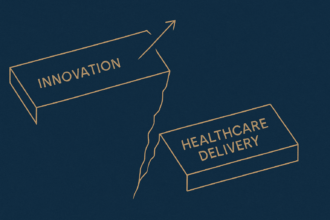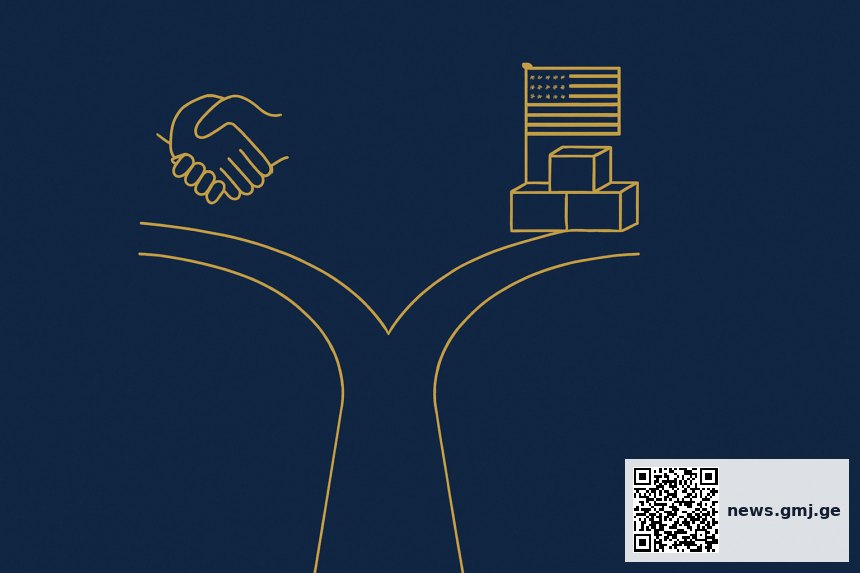
The recent licensing agreements for generic production of neuraminidase inhibitors represent a critical moment for global pandemic preparedness—and a test of whether the international community’s equity commitments mean anything when crisis strikes. These deals, brokered through United Nations-backed initiatives, establish the regulatory and manufacturing pathways for producing affordable antiviral medications in low- and middle-income countries. On paper, this is precisely the infrastructure we should have built after COVID-19. But the real question is not whether these agreements exist. It is whether wealthy nations will actually use them.
Let me be direct: the agreements are necessary but insufficient. Generic licensing frameworks create opportunity; they do not guarantee access or equity. History suggests cause for skepticism. During previous health emergencies, wealthy nations have repeatedly demonstrated a troubling pattern: they negotiate international frameworks emphasizing burden-sharing and equitable access, then abandon those commitments the moment supply becomes scarce and domestic pressure increases. The mechanisms we are building now for pandemic influenza will face identical pressures.
The clinical logic behind these generic licensing deals is sound. Neuraminidase inhibitors—oseltamivir foremost among them—reduce symptom duration and hospitalization risk when administered early in infection. A severe pandemic strain could overwhelm healthcare systems globally within weeks. Having multiple, geographically distributed manufacturing sources for essential antivirals eliminates single points of failure in the supply chain. A factory fire in Basel or a transportation bottleneck cannot paralyze treatment access across Africa, Southeast Asia, or the Caucasus if generic production occurs locally. This is not altruism; it is epidemiological logic.
Yet the mechanism cannot function without purchasing power and political will from nations with resources. Generic producers in India, Bangladesh, or other manufacturers in the Global South can achieve regulatory approval and scale production efficiently. What they cannot do is absorb the financial risk of pandemic preparation during non-emergency periods. Factories must be built, quality assurance systems established, and regulatory dossiers completed—all before any pandemic occurs, with no revenue stream to justify the investment. This is precisely why wealthy nations must pre-commit to purchasing agreements and strategic stockpiles now.
This is where current frameworks remain dangerously ambiguous. Many high-income countries have verbal endorsements of pandemic equity. Few have signed binding advance market commitments for generic antivirals at prices that reflect their true public health value rather than commercial margins. Without such commitments, manufacturers in producing countries face rational commercial hesitation. Why build capacity for a product that may never be purchased, or will be undercut by branded alternatives when crisis erupts?
The historical parallel is instructive. During the 2009 H1N1 pandemic, wealthy nations negotiated vaccine-sharing frameworks that evaporated within months as domestic demand spiked. Roche and other manufacturers could not meet global demand for oseltamivir; governments with resources simply outbid one another. Equitable distribution became theoretical. The generic licensing deals we are implementing now will face identical competitive pressures, but with one crucial difference: this time, we can design the system to prevent hoarding before it happens.
What would genuine commitment look like? First, wealthy nations should establish and publicly disclose pandemic antiviral stockpiles sourced from licensed generic manufacturers, meeting WHO-recommended reserves for their populations. Second, they should commit contractually to purchasing additional quantities from generic producers at pre-negotiated prices during any declared influenza pandemic, ahead of or alongside branded alternatives. Third, they should support capacity-building in middle-income countries through technical assistance and upfront capital investment, not merely regulatory approval.
None of this requires abandoning intellectual property or innovator incentives. It requires recognizing that pandemic preparedness is a collective security challenge, not a competitive market. Roche and other originators can be fairly compensated while generic access expands. These are not mutually exclusive goals.
The Georgian Medical Journal editorial board supports these generic licensing frameworks wholeheartedly. But we cannot pretend that agreements alone constitute preparedness. The real test will come when influenza cases surge in multiple continents simultaneously, hospital wards fill, and governments face pressure to prioritize their own citizens. At that moment, will wealthy nations honor their commitments to generic producers and equitable distribution? Or will we repeat the pattern of the last pandemic, dressed in slightly better language?
The next pandemic influenza will arrive. We cannot control its timing or severity. But we can control whether we genuinely mean what we say about equity, or whether we merely perform commitment until it becomes inconvenient. The generic licensing deals exist. Now comes the harder part: actually using them.
Was this article helpful?
Disclaimer. This article is health journalism intended for general information and education. It is not medical advice and is not a substitute for professional diagnosis or treatment. Always consult a qualified healthcare provider about your individual circumstances. Full disclaimer →
Related Coverage



Editorial standards. This article was produced under the GMJ News editorial process, with oversight by the GMJ Editorial Board. Our editorial process. Spotted an error? Contact the editorial team.