


Tag: neuroscience
Brain network fragmentation at legal alcohol limits predicts subjective intoxication
Functional MRI reveals that individuals with identical blood alcohol levels show variable degrees of brain network fragmentation, predicting differences in…
Brain Network Fragmentation at Legal Alcohol Limits Predicts Intoxication Severity, fMRI Study Shows
New fMRI research shows that at identical blood alcohol concentrations, individuals experience variable brain network fragmentation that correlates more strongly…
Post-exercise brain signal may be key to fitness gains, mouse study suggests
Researchers at Jackson Laboratory and University of Pennsylvania identified brain neurons that appear necessary for endurance training to produce fitness…

How B Vitamins and Micronutrients Power the Brain’s Energy System
The brain consumes 20% of adult body energy—up to 50% in children—demanding constant B-vitamin and micronutrient supply. Deficiencies in B12,…
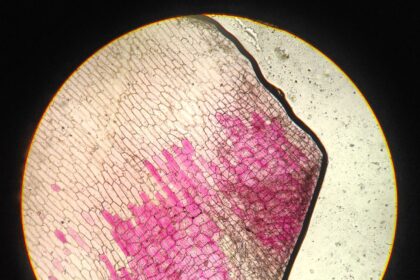
Beyond Neurons: How Brain’s Supporting Cells Drive Inflammation and Cognitive Resilience
The brain's health depends on more than neurons alone. A complex cellular ecosystem—astrocytes, microglia, and oligodendrocytes—orchestrates neural function through chemical…

Brain’s Support Cells Hold Key to Mental Health: How Astrocytes, Microglia, and Oligodendrocytes Shape Resilience
The human brain is far more than neurons alone. Astrocytes, microglia, and oligodendrocytes form a cellular network that determines whether…

Resistance Training 2–3 Times Weekly Reduces Brain Age, Randomized Trial Shows
A randomized controlled trial in GeroScience shows that 2–3 weekly sessions of structured resistance training significantly reduce biological brain age…

Why DHA Is Not a Brain Supplement—It’s Brain Architecture
DHA is not a brain supplement—it is a fundamental structural component of brain tissue, comprising 40% of all brain polyunsaturated…