


Tag: neuroscience

Why DHA Is Not a Brain Supplement—It’s Brain Architecture
DHA is not a brain supplement—it is a fundamental structural component of brain tissue, comprising 40% of all brain polyunsaturated…
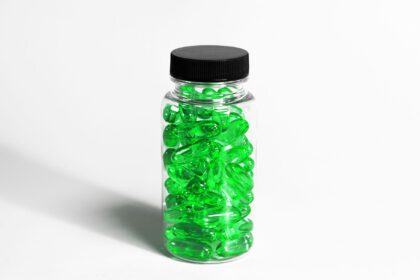
How amino acids shape brain function: What neuroscience reveals about diet and cognition
Cognitive performance depends on seven key amino acids that regulate neurotransmitter synthesis, synaptic plasticity, and brain energy metabolism. Dietary sources…
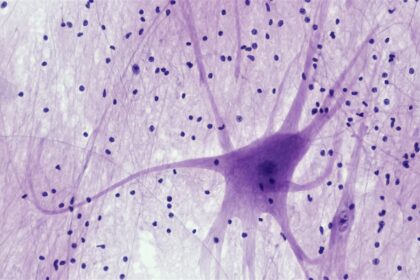
How Brain Cell Conversations Shape Memory, Mood and Resilience
The brain's health depends on coordinated communication between astrocytes, microglia, neurons, and oligodendrocytes. These cellular conversations determine whether the brain…
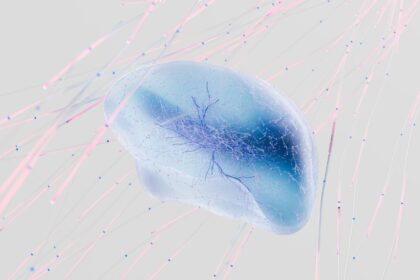
Astrocytes as Brain Regulators: How a 1989 Video Revealed Hidden Neural Intelligence
A landmark 1989 video by Yale neuroscientist Prof. Stephen J. Smith revealed that astrocytes—long dismissed as passive brain support cells—actively…

Aerobic Exercise Reverses Age-Related Hippocampal Shrinkage in Older Adults
A 12-month aerobic exercise trial published in PNAS reversed age-related hippocampal shrinkage in older adults, with participants gaining 2% in…

Eye-tracking study reveals depression shifts children’s attention to sad faces
Eye-tracking research reveals that depression alters how children visually attend to emotional expressions, with effects modulated by family history. High-risk…

Tiny genetic fragments control sleep-wake cycles, study finds
Researchers at Pompeu Fabra University and the Center for Genomic Regulation have identified tiny genetic fragments called microexons as critical…

Lab-grown brain circuits challenge ‘irreversible’ spinal cord injury paradigm
Cambridge scientists created lab-grown brain-spinal cord circuits that demonstrate 'irreversible' nerve damage may actually be reversible. The breakthrough challenges fundamental…