By using this site, you agree to the Privacy Policy and Terms of Use.
Accept
GMJ NewsGMJ NewsGMJ News
  • Latest News
    • GMJ Briefs
  • Podcast & Media
    • Podcast Episodes
    • GMJ Audio
    • GMJ Videos
  • Research Digest
    • New Studies
    • Georgian Research
    • Data & Numbers
  • Policy & Systems
    • Health Policy
    • Quality & Safety
    • Migration & Health
    • Global Health
  • Practice
    • Clinical Updates
    • Case Discussions
    • Pharmacy & Prescribing
  • Perspectives
    • Editorial
    • Explainers
    • Voices
    • Letters
  • GMJ Articles
    • Vol. 1 Issue 2 (2026)
    • Vol. 1 Issue 1 (2026)
    • Pre-Launch Articles (2025)
  • Read the Journal →
  • About GMJ News
Notification Show More
Font ResizerAa
GMJ NewsGMJ News
Font ResizerAa
  • Latest News
    • GMJ Briefs
  • Podcast & Media
    • Podcast Episodes
    • GMJ Audio
    • GMJ Videos
  • Research Digest
    • New Studies
    • Georgian Research
    • Data & Numbers
  • Policy & Systems
    • Health Policy
    • Quality & Safety
    • Migration & Health
    • Global Health
  • Practice
    • Clinical Updates
    • Case Discussions
    • Pharmacy & Prescribing
  • Perspectives
    • Editorial
    • Explainers
    • Voices
    • Letters
  • GMJ Articles
    • Vol. 1 Issue 2 (2026)
    • Vol. 1 Issue 1 (2026)
    • Pre-Launch Articles (2025)
  • Read the Journal →
  • About GMJ News
Follow US
GMJ News > Policy & Systems > Health Policy > US Military Medical Corps Faces Critical Physician Shortage, Former Congressional Doctor Warns
Health PolicyPolicy & Systems

US Military Medical Corps Faces Critical Physician Shortage, Former Congressional Doctor Warns

GMJ
Last updated: 01/06/2026 17:15
By
GMJ News Desk
Share
5 Min Read
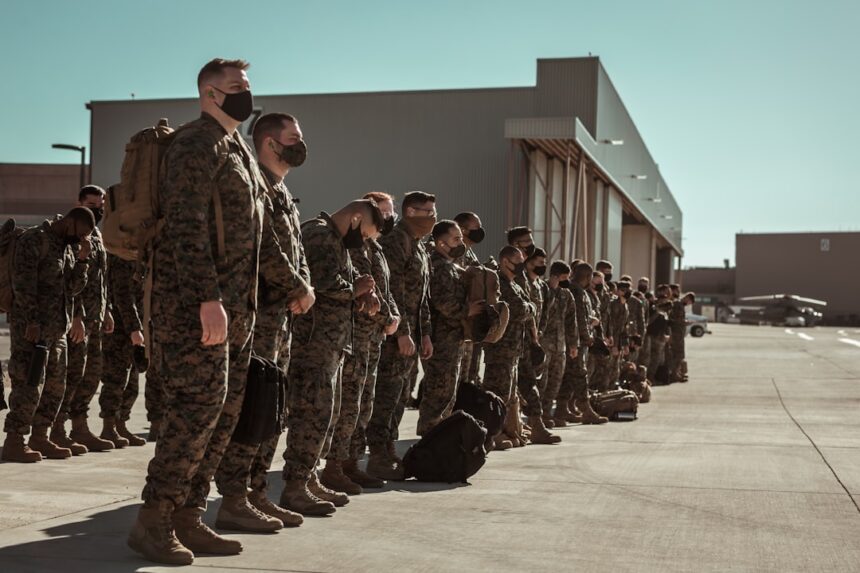
Military medical personnel in uniform representing healthcare recruitment challenges
US military medical corps faces critical physician shortage threatening national security preparedness. Former congressional doctor calls for immediate legislative intervention with new recruitment incentives. — Photo: Joel Rivera-Camacho / Pexels
SHARE
3 min read|667 words
🎧 Listen to this article4:36 min · 659 words · GMJ Audio

Contents
    • Key takeaways
  • Congressional Action Required for Military Medical Recruitment
  • National Security Implications of Medical Corps Shortages
  • Proposed Solutions and Incentive Strategies
    • What this means
  • Frequently asked questions
    • Why is military medical corps recruitment challenging?
    • How does physician shortage affect military readiness?
    • What congressional actions are being proposed?
✓ Editorially Reviewed by Prof. Giorgi Pkhakadze, MD, MPH, PhD — GMJ News Desk

The United States military medical corps is experiencing a critical physician recruitment crisis that threatens national security preparedness, according to analysis from the former attending physician to Congress published in STAT News. The shortage of military physicians undermines the military’s capacity to provide adequate healthcare to service members and respond effectively to medical emergencies during conflicts.

Key takeaways

  • Military medical corps faces severe physician recruitment challenges affecting national security readiness
  • Congressional intervention needed to create new incentives for physicians and medical employers
  • Current recruitment strategies insufficient to address growing healthcare demands in military settings
Critical shortage
of physicians in US military medical corps threatens operational readiness

Congressional Action Required for Military Medical Recruitment

The former attending physician to Congress has called for immediate legislative intervention to address the military medical corps recruitment crisis. According to the analysis published in STAT News, current incentive structures are inadequate to attract sufficient numbers of qualified physicians to military service.

The recruitment challenge extends beyond individual physician decisions to include institutional barriers from medical employers, according to the former congressional attending physician. Healthcare systems and medical practices often lack sufficient incentives to support their physicians’ military service commitments, creating additional obstacles to recruitment and retention in the military healthcare system.

Submit Your Paper
GMJ_Submit_Banner

National Security Implications of Medical Corps Shortages

The physician shortage in military medical corps directly impacts national security preparedness and the military’s ability to maintain operational readiness, according to the former attending physician to Congress. Military healthcare systems require adequate physician staffing to support both routine medical care for service members and emergency response capabilities during conflicts or humanitarian missions.

🎙️ Related Podcast Episodes
🎧 #36 | GMJ Podcast | Artificial Intelligence and Doctor–Patient Communication — Evidence from Georgian Clinics · 18m
🎧 #35 | GMJ Podcast | Lung Adenocarcinoma and Tuberculous Lymphadenitis — Diagnostic Challenges in a Rare Case · 19m
🎧 #2 Ethical and Legal Frameworks for Including Critically Ill Patients in Clinical Research | GMJ Official Podcast · 17m
🎬 GMJ Video Series | Rare Case: Lung Cancer & Tuberculosis Coexistence
🎧 #54 | GMJ Podcast | The Blueprint of a Medical Journal: Designing an Open-Access Scientific Platform · 19m

The Department of Defense Health Agency oversees military medical services that must maintain readiness across diverse operational environments and medical scenarios.

Proposed Solutions and Incentive Strategies

Congressional intervention should focus on creating comprehensive incentive packages that address both physician and employer concerns about military medical service, writes the former attending physician to Congress. The proposed solutions include financial incentives, career development opportunities, and institutional support mechanisms that make military medical service more attractive to qualified physicians.

Medical employers need specific incentives to support their physicians’ military commitments without compromising civilian healthcare operations, according to the STAT News analysis. The healthcare policy framework must balance military recruitment needs with civilian healthcare workforce requirements to ensure comprehensive medical coverage across all sectors.

Congress must incentivize more physicians and their employers to join the military medical corps to address the serious recruitment problem.

— Former Congressional Attending Physician (STAT News, 2026)

What this means

For patients: Military families may face reduced access to specialized medical care if physician shortages continue
For clinicians: Enhanced incentive packages may create new opportunities for physicians considering military medical service
For policymakers: Urgent legislative action needed to address national security healthcare preparedness gaps

Frequently asked questions

Why is military medical corps recruitment challenging?

According to the former attending physician to Congress, military medical service requires significant time commitments and deployments that can interfere with civilian medical careers. Many physicians also face institutional barriers from their civilian employers who may not support military service obligations.

How does physician shortage affect military readiness?

Inadequate physician staffing compromises the military’s ability to provide comprehensive healthcare to service members and respond effectively to medical emergencies during conflicts or humanitarian missions, according to the STAT News analysis.

What congressional actions are being proposed?

The former attending physician to Congress proposes comprehensive incentive packages targeting both physicians and their employers, financial support mechanisms, and policy changes that facilitate military medical service while maintaining civilian healthcare careers.

The military medical corps recruitment crisis represents a critical national security challenge that requires coordinated congressional action and innovative policy solutions, according to the former attending physician to Congress. Addressing this shortage will require sustained commitment from both legislative and defense leadership to create effective incentive structures that support military medical readiness while maintaining the civilian healthcare workforce.

Source: Opinion: The military’s medical corps has a serious recruitment problem

Was this article helpful?

Related Coverage

Mental Health Disorders Now Leading Global Disability Cause as Cases Approach 1.2 BillionJun 1, 2026
Two Patients Isolated in Brazil After Developing Ebola-Like SymptomsJun 1, 2026
UK Launches First National Gonorrhoea Vaccination Programme Using 4CMenB VaccineJun 1, 2026
PAHO Urges Stronger Measures Against Youth Tobacco and Nicotine AddictionJun 1, 2026
TAGGED:congressional actionhealthcare policymilitary medicinenational securityphysician recruitment
Share This Article
Facebook LinkedIn Bluesky Copy Link Print
Leave a Comment Leave a Comment

Leave a Reply Cancel reply

Your email address will not be published. Required fields are marked *

Submit Your Paper →

Georgia's peer-reviewed open-access medical journal. No APC until January 2027.
Submit Manuscript →
Mental Health Disorders Now Leading Global Disability Cause as Cases Approach 1.2 Billion

Mental health disorders have become the leading cause of disability worldwide, affecting…

Two Patients Isolated in Brazil After Developing Ebola-Like Symptoms

Two patients from African countries have been isolated in Brazil after developing…

First comprehensive study reveals genetic differences in Native American breast cancer

University of Notre Dame researchers publish first comprehensive molecular analysis of breast…

Submit Your Paper to GMJ

No APC until January 2027.
Submit Manuscript →

You Might Also Like

Montana state capitol building with healthcare policy documents
Health PolicyPolicy & Systems

Montana’s Medicaid Work Requirements Return as State Faces Budget Pressures Under Trump

By
GMJ News Desk
31/05/2026
Ethiopian health worker checking vaccine cold chain temperature monitoring system
Health PolicyPolicy & Systems

Ethiopia Integrates Oxytocin into Vaccine Cold Chain to Prevent Maternal Deaths

By
GMJ News Desk
31/05/2026
FDA Class I recall notice for VOCSN V+Pro ventilators showing medical device safety alert
Policy & SystemsQuality & Safety

FDA Issues Class I Recall for VOCSN V+Pro Ventilators Over Critical Oxygen Leak Risk

By
GMJ News Desk
24/05/2026
Map showing Ebola transmission zones in DRC and Uganda with outbreak alert indicators
Health Policy

Ebola outbreak in DRC and Uganda: what we know in May 2026

By
GMJ News Desk
20/05/2026
Facebook Twitter Youtube Instagram
Company
  • Privacy Policy
  • Contact US
  • GMJ Journal
  • Submit Manuscript
  • Editorial Team
  • Register at GMJ
  • Terms of Use

Subscribe to GMJ News — Click here

Join Community
© 2026 Georgian Medical Journal (GMJ). Published by the Public Health Institute of Georgia (PHIG). All rights reserved.
Welcome Back!

Sign in to your account

Username or Email Address
Password

Lost your password?

Not a member? Sign Up