By using this site, you agree to the Privacy Policy and Terms of Use.
Accept
GMJ NewsGMJ NewsGMJ News
  • Latest News
    • GMJ Briefs
  • Podcast & Media
    • Podcast Episodes
    • GMJ Audio
    • GMJ Videos
  • Research Digest
    • New Studies
    • Georgian Research
    • Data & Numbers
  • Policy & Systems
    • Health Policy
    • Quality & Safety
    • Migration & Health
    • Global Health
  • Practice
    • Clinical Updates
    • Case Discussions
    • Pharmacy & Prescribing
    • Ingredients A-Z
  • Perspectives
    • Editorial
    • Explainers
    • Voices
    • Letters
  • GMJ Articles
    • Vol. 1 Issue 2 (2026)
    • Vol. 1 Issue 1 (2026)
    • Pre-Launch Articles (2025)
  • Read the Journal →
  • About GMJ News
Notification Show More
Font ResizerAa
GMJ NewsGMJ News
Font ResizerAa
  • Latest News
    • GMJ Briefs
  • Podcast & Media
    • Podcast Episodes
    • GMJ Audio
    • GMJ Videos
  • Research Digest
    • New Studies
    • Georgian Research
    • Data & Numbers
  • Policy & Systems
    • Health Policy
    • Quality & Safety
    • Migration & Health
    • Global Health
  • Practice
    • Clinical Updates
    • Case Discussions
    • Pharmacy & Prescribing
    • Ingredients A-Z
  • Perspectives
    • Editorial
    • Explainers
    • Voices
    • Letters
  • GMJ Articles
    • Vol. 1 Issue 2 (2026)
    • Vol. 1 Issue 1 (2026)
    • Pre-Launch Articles (2025)
  • Read the Journal →
  • About GMJ News
Follow US
GMJ News > Policy & Systems > Health Policy > Nigeria’s NAFDAC Launches Digital Platform to Combat Counterfeit Medicines
Health PolicyPolicy & SystemsQuality & Safety

Nigeria’s NAFDAC Launches Digital Platform to Combat Counterfeit Medicines

GMJ
Last updated: 04/06/2026 10:50
By
GMJ News Desk
Share
5 Min Read
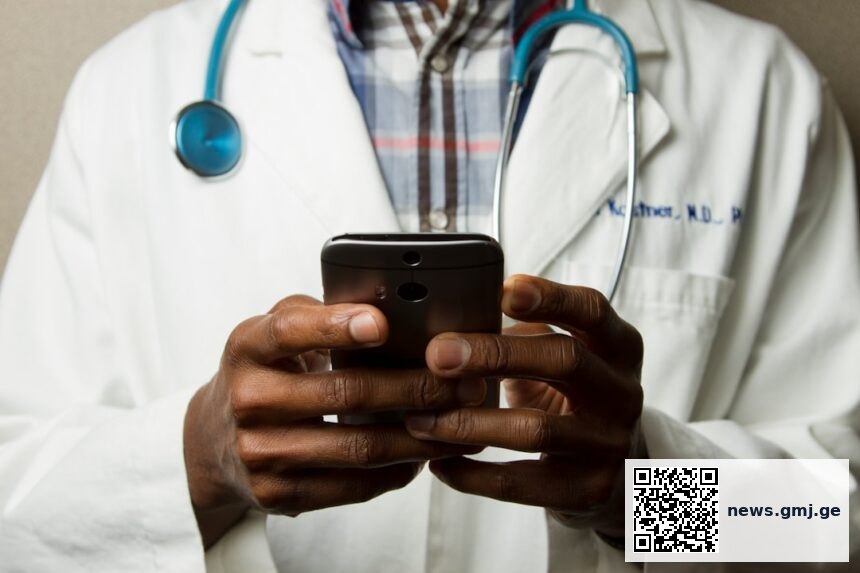
Healthcare worker using mobile app to report medicine safety issues in Nigeria
Nigeria's NAFDAC launches enhanced Med Safety App enabling healthcare workers and citizens to report suspected counterfeit medicines and adverse drug reactions digitally. The platform aims to strengthen pharmaceutical surveillance across Africa's most populous nation. — Photo: National Cancer Institute / Pexels
SHARE
3 min read|660 words
✓ Editorially Reviewed by Prof. Giorgi Pkhakadze, MD, MPH, PhD — GMJ News Desk

Nigeria’s drug regulatory authority has launched an enhanced mobile platform enabling healthcare workers and citizens to report suspected counterfeit medicines and adverse drug reactions. The National Agency for Food and Drug Administration and Control (NAFDAC) unveiled the improved Med Safety App as part of efforts to strengthen pharmaceutical surveillance across Africa’s most populous nation.

Contents
    • Key takeaways
      • Digital Health Surveillance Expansion in West Africa
  • Enhanced Digital Platform Targets Pharmaceutical Safety
  • Addressing Nigeria’s Pharmaceutical Challenges
  • Implications for Regional Drug Safety
    • What this means
  • Frequently asked questions
    • How does the Med Safety App work?
    • Who can use the reporting platform?
    • What impact might this have on drug safety in Nigeria?

Key takeaways

  • NAFDAC launches enhanced Med Safety App for reporting substandard and falsified medicines
  • Platform enables both healthcare professionals and public to submit ADR reports digitally
  • Initiative aims to strengthen pharmaceutical surveillance in Nigeria’s 200+ million population
200+ million
Nigerians now have digital access to report suspected counterfeit medicines via NAFDAC’s enhanced platform

Digital Health Surveillance Expansion in West Africa

Mobile reporting platforms launched by drug regulators, 2020-2026

12
Countries with digital ADR systems
8
Mobile apps launched
3
Multi-language platforms

Source: WHO African Region Pharmacovigilance Report, 2026 | Georgian Medical Journal News

Enhanced Digital Platform Targets Pharmaceutical Safety

The Med Safety App represents NAFDAC’s commitment to leveraging digital technology for public health protection. According to the World Health Organization, substandard and falsified medical products pose significant risks to patient safety globally.

Submit Your Paper
GMJ_Submit_Banner

The platform allows users to submit reports on suspected counterfeit medicines, substandard pharmaceutical products, and adverse drug reactions through a streamlined digital interface. This initiative aligns with broader health policy efforts across West Africa to strengthen pharmaceutical regulation.

🎙️ Related Podcast Episodes
🎧 #54 | GMJ Podcast | The Blueprint of a Medical Journal: Designing an Open-Access Scientific Platform · 19m
🎧 #53 | GMJ Podcast | Palliative Care in Georgia — Health System Gaps, Access Barriers, and Policy Implications · 16m
🎧 #36 | GMJ Podcast | Artificial Intelligence and Doctor–Patient Communication — Evidence from Georgian Clinics · 18m
🎧 #28 | GMJ Podcast | SheniEkimi.ge #1: Top 5 Evidence-Based Public Health News · 19m
🎧 #24 | WHO Releases Updated Health Inequality Data Repository and Equity Toolkit · 21m

Addressing Nigeria’s Pharmaceutical Challenges

Nigeria faces ongoing challenges with counterfeit and substandard medicines in its pharmaceutical supply chain. The enhanced reporting system aims to improve detection and response to pharmaceutical safety issues across the country’s complex healthcare landscape.

Healthcare professionals and members of the public can now access the improved platform to report suspected issues with medicines, vaccines, and other regulated products. The system is designed to facilitate rapid communication between field observers and NAFDAC’s regulatory teams.

The Med Safety App launch represents a significant step toward strengthening pharmaceutical surveillance through digital innovation in Nigeria’s healthcare system.

— NAFDAC Leadership Team (Official Launch Statement, 2026)

Implications for Regional Drug Safety

The platform launch reflects broader trends in pharmaceutical regulation across Sub-Saharan Africa. Digital reporting systems are increasingly recognized as essential tools for monitoring drug safety and combating the circulation of substandard products.

NAFDAC’s initiative may serve as a model for other regulatory authorities in the region seeking to enhance their pharmacovigilance capabilities. The app’s focus on accessibility for both healthcare professionals and the general public represents an inclusive approach to pharmaceutical safety monitoring.

What this means

For patients: Easier reporting of suspected medicine problems and adverse reactions through accessible mobile platform
For clinicians: Streamlined ADR reporting process may improve pharmacovigilance participation and patient safety outcomes
For policymakers: Digital surveillance model could inform pharmaceutical regulation strategies across West African nations

Frequently asked questions

How does the Med Safety App work?

The platform allows users to submit reports on suspected substandard medicines, counterfeit products, and adverse drug reactions through a digital interface. Reports are transmitted directly to NAFDAC for investigation and appropriate regulatory action.

Who can use the reporting platform?

Both healthcare professionals and members of the general public can access and use the Med Safety App to report suspected pharmaceutical safety issues. The platform is designed for broad accessibility across Nigeria’s diverse population.

What impact might this have on drug safety in Nigeria?

Enhanced reporting capabilities could improve detection of counterfeit and substandard medicines while strengthening adverse drug reaction monitoring. Digital platforms have shown effectiveness in other countries for improving pharmaceutical surveillance systems.

The Med Safety App launch positions Nigeria at the forefront of digital pharmaceutical surveillance in West Africa. As regulatory authorities across the region seek to combat counterfeit medicines and strengthen safety monitoring, NAFDAC’s digital platform model may influence broader regulatory innovation. The success of this initiative will likely depend on user adoption rates and the agency’s capacity to respond effectively to increased reporting volumes through the enhanced digital system.

Source: NAFDAC Launches Improved Med Safety App to Strengthen Reporting of Substandard and Falsified Medical Products and Adverse Drug Reactions in Nigeria

Was this article helpful?

Related Coverage

FDA Issues Safety Correction for KayserBett IDA Pediatric Care Beds Due to Entrapment RiskJun 7, 2026
Amish Health Practices Challenge Modern Public Health Assumptions, Expert Analysis ShowsJun 7, 2026
Ultra-processed food researchers demand urgent policy reforms as health risks mountJun 6, 2026
AI Arms Race in Medical Billing Creates New Barriers to Patient CareJun 5, 2026
TAGGED:counterfeit medicinesDigital HealthNAFDACNigeriapharmaceutical safety
Share This Article
Facebook LinkedIn Bluesky Copy Link Print
Leave a Comment Leave a Comment

Leave a Reply Cancel reply

Your email address will not be published. Required fields are marked *

Submit Your Paper →

Georgia's peer-reviewed open-access medical journal. No APC until January 2027.
Submit Manuscript →
FDA Issues Safety Correction for KayserBett IDA Pediatric Care Beds Due to Entrapment Risk

FDA issues safety correction for KayserBett IDA pediatric care beds due to…

New Oral AML Treatment Shows Promise for Older Patients in FDA Trial

New oral drug combination for older AML patients shows effectiveness comparable to…

Breakthrough CAR T Therapy Enables Kidney Transplants for High-Antibody Patients

Breakthrough CAR T-cell therapy enables two highly sensitized kidney patients to receive…

Submit Your Paper to GMJ

No APC until January 2027.
Submit Manuscript →

You Might Also Like

Healthcare professional reviewing AI-generated billing codes on computer screen
Health PolicyPolicy & Systems

AI Arms Race in Medical Billing Creates New Barriers to Patient Care

By
GMJ News Desk
05/06/2026
Healthcare workers participating in WHO mhGAP mental health training program in rural Gambia
Global HealthPolicy & Systems

Gambia Trains 25 Community Health Workers in WHO Mental Health Guidelines to Bridge Rural Care Gaps

By
GMJ News Desk
24/05/2026
Military medical personnel in uniform representing healthcare recruitment challenges
Health PolicyPolicy & Systems

US Military Medical Corps Faces Critical Physician Shortage, Former Congressional Doctor Warns

By
GMJ News Desk
01/06/2026
Healthcare workers in protective equipment treating Ebola patients in Democratic Republic of Congo
Global HealthPolicy & Systems

Four Health Workers Recover from Ebola in Democratic Republic of Congo as Treatment Capacity Expands

By
GMJ News Desk
04/06/2026
Facebook Twitter Youtube Instagram
Company
  • Privacy Policy
  • Contact US
  • GMJ Journal
  • Submit Manuscript
  • Editorial Team
  • Register at GMJ
  • Terms of Use

Subscribe to GMJ News — Click here

Join Community
© 2026 Georgian Medical Journal (GMJ). Published by the Public Health Institute of Georgia (PHIG). All rights reserved.
Welcome Back!

Sign in to your account

Username or Email Address
Password

Lost your password?

Not a member? Sign Up