By using this site, you agree to the Privacy Policy and Terms of Use.
Accept
GMJ NewsGMJ NewsGMJ News
  • Latest News
    • GMJ Briefs
  • Podcast & Media
    • Podcast Episodes
    • GMJ Audio
    • GMJ Videos
  • Research Digest
    • New Studies
    • Georgian Research
    • Data & Numbers
  • Policy & Systems
    • Health Policy
    • Quality & Safety
    • Migration & Health
    • Global Health
  • Practice
    • Clinical Updates
    • Case Discussions
    • Pharmacy & Prescribing
    • Ingredients A-Z
  • Perspectives
    • Editorial
    • Explainers
    • Voices
    • Letters
  • GMJ Articles
    • Vol. 1 Issue 2 (2026)
    • Vol. 1 Issue 1 (2026)
    • Pre-Launch Articles (2025)
  • Read the Journal →
  • About GMJ News
Notification Show More
Font ResizerAa
GMJ NewsGMJ News
Font ResizerAa
  • Latest News
    • GMJ Briefs
  • Podcast & Media
    • Podcast Episodes
    • GMJ Audio
    • GMJ Videos
  • Research Digest
    • New Studies
    • Georgian Research
    • Data & Numbers
  • Policy & Systems
    • Health Policy
    • Quality & Safety
    • Migration & Health
    • Global Health
  • Practice
    • Clinical Updates
    • Case Discussions
    • Pharmacy & Prescribing
    • Ingredients A-Z
  • Perspectives
    • Editorial
    • Explainers
    • Voices
    • Letters
  • GMJ Articles
    • Vol. 1 Issue 2 (2026)
    • Vol. 1 Issue 1 (2026)
    • Pre-Launch Articles (2025)
  • Read the Journal →
  • About GMJ News
Follow US
GMJ News > Policy & Systems > Global Health > UK Health Security Agency Issues Updated Hantavirus Guidance as Rare Disease Remains Critical Health Concern
Global HealthPolicy & Systems

UK Health Security Agency Issues Updated Hantavirus Guidance as Rare Disease Remains Critical Health Concern

GMJ
Last updated: 15/06/2026 12:25
By
GMJ Policy Desk
Share
5 Min Read
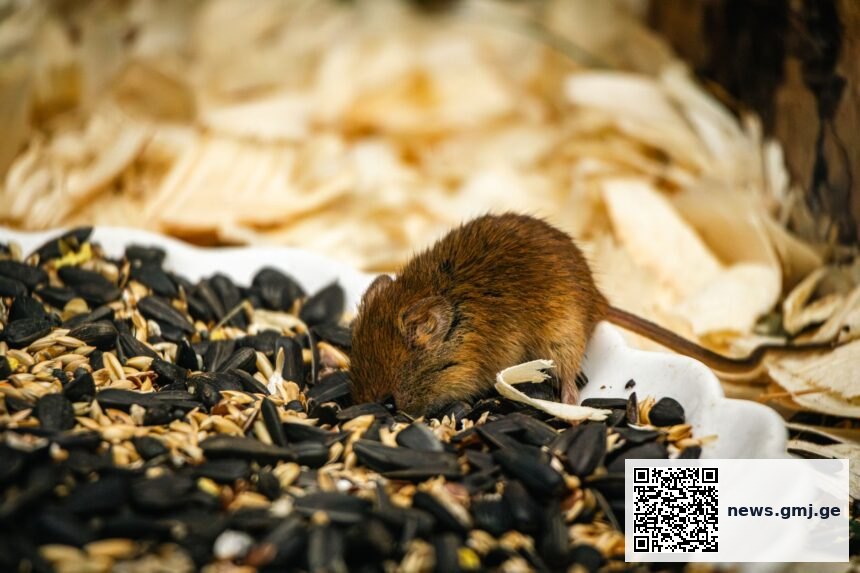
Medical illustration showing hantavirus transmission pathway from rodents to humansIllustrative image · Photo by Owen Sellwood on Pexels (Pexels License)
UK Health Security Agency updates hantavirus guidance, emphasising continued surveillance for rare but potentially fatal viral infections with case fatality rates up to 50%. Healthcare professionals must maintain awareness despite low UK incidence. — Photo by Owen Sellwood on Pexels (Pexels License)
SHARE
🎧 Listen to this article4:44 min · 659 words · GMJ Audio
3 min read|659 words
✓ Reviewed by Prof. Giorgi Pkhakadze, MD, MPH, PhD · ORCID 0000-0001-7609-4515

🟠 Moderate Evidence

Contents
    • Key takeaways
      • Two Distinct Hantavirus Disease Patterns
  • Two Clinical Syndromes with Distinct Geographic Patterns
  • Transmission Through Rodent Reservoirs
  • Diagnostic Challenges and Laboratory Confirmation
    • What this means
  • Frequently asked questions
    • How common are hantavirus infections in the UK?
    • Is there a vaccine available for hantavirus?
    • What is the treatment for hantavirus infection?

The UK Health Security Agency has updated its comprehensive guidance on hantaviruses, highlighting the continued importance of surveillance for these rare but potentially fatal viral infections. The guidance emphasises that while hantavirus infections remain uncommon in the UK, healthcare professionals must maintain awareness due to the severity of associated diseases and potential for imported cases from endemic regions.

Key takeaways

  • Hantaviruses cause two distinct clinical syndromes with case fatality rates varying from 1% to over 50%
  • Human infections occur through inhalation of aerosolised rodent excreta or direct contact with infected animals
  • No specific antiviral treatment or vaccine exists for hantavirus infections
50%
Maximum case fatality rate for hantavirus pulmonary syndrome according to UK Health Security Agency guidance

Two Distinct Hantavirus Disease Patterns

Clinical syndromes and mortality rates by geographic region

50%
HPS mortality (Americas)
1-15%
HFRS mortality (Eurasia)
4
Disease phases (HFRS)

Source: UK Health Security Agency, 2024 | Georgian Medical Journal News

Submit Your Paper
GMJ_Submit_Banner

Two Clinical Syndromes with Distinct Geographic Patterns

Hantaviruses cause two primary clinical syndromes that vary significantly by geographic location and viral species. According to the UK Health Security Agency, hantavirus pulmonary syndrome (HPS) predominantly occurs in the Americas and carries case fatality rates ranging from 20% to over 50%.

🎙️ Related Podcast Episodes
🎧 #21 | WHO Issues New Guidance on Novel Snakebite Treatments · 14m
🎧 #37 | GMJ Podcast | NAD⁺ Injections and “NAD Boosters” — Public Health Risks and Regulatory Implications · 20m
🎧 #27 | WHO Calls for Environmentally Friendly and Less Invasive Oral Health Care · 21m
🎧 #16 | WHO Prequalifies New Oral Polio Vaccine to Strengthen Global Eradication Efforts · 20m
🎧 #11 | WHO Urges Schools Worldwide to Promote Healthy Eating for Children · 20m

Haemorrhagic fever with renal syndrome (HFRS) is more common in Europe and Asia, with mortality rates typically between 1% and 15% depending on the viral species involved. The World Health Organization recognises HFRS as a significant public health concern in endemic regions, particularly parts of China, Korea, and Eastern Europe.

Transmission Through Rodent Reservoirs

Human hantavirus infections occur primarily through inhalation of virus-contaminated aerosols from rodent urine, faeces, or saliva. The UK Health Security Agency guidance emphasises that different hantavirus species are associated with specific rodent hosts, creating distinct geographic risk patterns.

Occupational exposure represents a significant risk factor, particularly for individuals working in agriculture, forestry, or pest control. The US Centers for Disease Control and Prevention has documented increased transmission risk during activities that disturb rodent nesting areas or contaminated environments.

Diagnostic Challenges and Laboratory Confirmation

Early diagnosis of hantavirus infections remains challenging due to non-specific initial symptoms that may resemble influenza or other viral infections. The UK guidance stresses the importance of obtaining detailed travel and exposure histories from patients presenting with compatible symptoms.

Laboratory confirmation requires specialised testing including RT-PCR, antigen detection, or serology. According to the guidance, samples should be processed in appropriate biosafety facilities due to the potential severity of infection and the need for specialised expertise in interpretation.

Healthcare professionals must maintain high clinical suspicion for hantavirus infection in patients with compatible symptoms and relevant exposure history, particularly those with recent travel to endemic areas or occupational rodent exposure.

— UK Health Security Agency Guidance (2024)

What this means

For patients: Individuals with occupational or recreational rodent exposure should seek immediate medical attention for fever, muscle aches, or respiratory symptoms
For clinicians: Maintain awareness of hantavirus presentations and ensure appropriate infection control measures when evaluating suspected cases
For policymakers: Surveillance systems must remain vigilant for imported cases and support rapid diagnostic capabilities for emerging infectious diseases

Frequently asked questions

How common are hantavirus infections in the UK?

Hantavirus infections are rare in the UK, with most cases being imported from endemic regions. The UK Health Security Agency maintains surveillance but indigenous transmission remains uncommon.

Is there a vaccine available for hantavirus?

Currently, no vaccine is available for hantavirus infections. Prevention focuses on avoiding exposure to rodent excreta and implementing appropriate control measures in high-risk environments.

What is the treatment for hantavirus infection?

No specific antiviral treatment exists for hantavirus infections. Management is primarily supportive care, with intensive monitoring for respiratory and renal complications depending on the syndrome.

The updated UK Health Security Agency guidance reinforces the need for continued vigilance regarding hantavirus infections, particularly as global travel patterns and climate change may influence disease distribution. Healthcare systems must maintain diagnostic capabilities and clinical awareness to ensure rapid identification and appropriate management of these severe but preventable infections.

Source: UK Health Security Agency Hantavirus Guidance

Was this article helpful?

Disclaimer. This article is health journalism intended for general information and education. It is not medical advice and is not a substitute for professional diagnosis or treatment. Always consult a qualified healthcare provider about your individual circumstances. Full disclaimer →

Related Coverage

Global Temperatures Likely to Set Records Over Next Five Years, WMO WarnsJun 16, 2026
WHO Adopts Historic Resolution on Fatty Liver Disease as Missing Link in Global NCD StrategyJun 16, 2026
WHO Launches Global Consultation on AI Ethics in Long-Term Care Following China's Massive Healthcare Algorithm DeploymentJun 16, 2026
NHS Review Proposes Ban on Political Badges for Doctors Amid Antisemitism ConcernsJun 16, 2026
Related reference
  • Iron · Ingredient
PG
Written by
Prof. Giorgi Pkhakadze, MD, MPH, PhD
Editor-in-Chief, GMJ News
Full profile →
Medical disclaimer. This article is health journalism intended for general information. It is not medical advice and is not a substitute for consultation with a qualified healthcare professional. Always seek your physician's advice regarding any medical condition.
Medically reviewed by Prof. Giorgi Pkhakadze, MD, MPH, PhD. Spotted an error? Contact the editorial team.

Get the GMJ News digest
Evidence-based health journalism in your inbox. No spam; unsubscribe anytime.
TAGGED:hantavirusInfectious DiseaseUK health securityviral haemorrhagic feverzoonotic disease
Share This Article
Facebook LinkedIn Bluesky Copy Link Print
GMJ
ByGMJ Policy Desk
Follow:
GMJ Policy Desk is part of GMJ News, the newsroom of the Georgian Medical Journal (gmj.ge), published by the Public Health Institute of Georgia. Every article is editorially reviewed before publication.
Leave a Comment Leave a Comment

Leave a Reply Cancel reply

Your email address will not be published. Required fields are marked *

Submit Your Paper →

Georgia's peer-reviewed open-access medical journal. No APC until January 2027.
Submit Manuscript →
NHS Approves First New Ovarian Cancer Drug in 20 Years for Resistant Disease

NHS approves mirvetuximab soravtansine, the first new ovarian cancer treatment in over…

Cosmeticorexia: How Social Media Drives Children’s Obsessive Skincare Behaviour

Mental health experts identify "cosmeticorexia" as children as young as 8 develop…

Global Temperatures Likely to Set Records Over Next Five Years, WMO Warns

Global temperatures are likely to reach record levels in the next five…

Submit Your Paper to GMJ

No APC until January 2027.
Submit Manuscript →

You Might Also Like

Rick Pazdur speaking at ASCO 2026 conference about FDA restructuring and regulatory competition
Health PolicyPolicy & Systems

FDA’s Pazdur Calls for Agency Restructuring Amid China Competition and Internal Upheaval

By
GMJ Policy Desk
09/06/2026
Healthcare professionals discussing patient care in hospital setting showing human connection
Policy & SystemsQuality & Safety

Healthcare Systems Must Prioritize Human Connection to Combat Employee Burnout Crisis

By
GMJ Policy Desk
25/05/2026
Healthcare workers conducting disease surveillance in Latin American community
Global HealthPolicy & Systems

PAHO Partners with Mundo Sano Foundation to Eliminate Neglected Diseases and Cervical Cancer

By
GMJ Policy Desk
29/05/2026
Medical professional reviewing medication dosing guidelines and genetic testing resultsBi-lingual Clinical Trial Consultation (45067326622).jpg by NIAID / CC BY 2.0 via Wikimedia Commons (CC BY 2.0)
Clinical UpdatesExplainersHealth PolicyPerspectivesPolicy & SystemsPractice

Medical Dosing Based on Race Lacks Scientific Evidence and May Harm Patients, NEJM Analysis Warns

By
GMJ Practice Desk
13/06/2026
Facebook Twitter Youtube Instagram
Company
  • Privacy Policy
  • Contact US
  • GMJ Journal
  • Submit Manuscript
  • Editorial Team
  • Register at GMJ
  • Terms of Use

Subscribe to GMJ News — Click here

Join Community
© 2026 Georgian Medical Journal (GMJ). Published by the Public Health Institute of Georgia (PHIG). All rights reserved.
Welcome Back!

Sign in to your account

Username or Email Address
Password

Lost your password?

Not a member? Sign Up