By using this site, you agree to the Privacy Policy and Terms of Use.
Accept
GMJ NewsGMJ NewsGMJ News
  • Latest News
    • GMJ Briefs
  • Podcast & Media
    • Podcast Episodes
    • GMJ Audio
    • GMJ Videos
  • Research Digest
    • New Studies
    • Georgian Research
    • Data & Numbers
  • Policy & Systems
    • Health Policy
    • Quality & Safety
    • Migration & Health
    • Global Health
  • Practice
    • Clinical Updates
    • Case Discussions
    • Pharmacy & Prescribing
    • Ingredients A-Z
  • Perspectives
    • Editorial
    • Explainers
    • Voices
    • Letters
  • Health Topics
  • GMJ Articles
    • Vol. 1 Issue 2 (2026)
    • Vol. 1 Issue 1 (2026)
    • Pre-Launch Articles (2025)
  • Read the Journal →
  • About GMJ News
Notification Show More
Font ResizerAa
GMJ NewsGMJ News
Font ResizerAa
  • Latest News
    • GMJ Briefs
  • Podcast & Media
    • Podcast Episodes
    • GMJ Audio
    • GMJ Videos
  • Research Digest
    • New Studies
    • Georgian Research
    • Data & Numbers
  • Policy & Systems
    • Health Policy
    • Quality & Safety
    • Migration & Health
    • Global Health
  • Practice
    • Clinical Updates
    • Case Discussions
    • Pharmacy & Prescribing
    • Ingredients A-Z
  • Perspectives
    • Editorial
    • Explainers
    • Voices
    • Letters
  • Health Topics
  • GMJ Articles
    • Vol. 1 Issue 2 (2026)
    • Vol. 1 Issue 1 (2026)
    • Pre-Launch Articles (2025)
  • Read the Journal →
  • About GMJ News
Follow US
GMJ News > Practice > Clinical Updates > 14-Year-Old Girl Develops Rare Spinal Stroke After Flu Infection, Highlighting Serious Neurological Complications
Clinical UpdatesPractice

14-Year-Old Girl Develops Rare Spinal Stroke After Flu Infection, Highlighting Serious Neurological Complications

GMJ
Last updated: 15/06/2026 12:25
By
GMJ Practice Desk
Share
5 Min Read
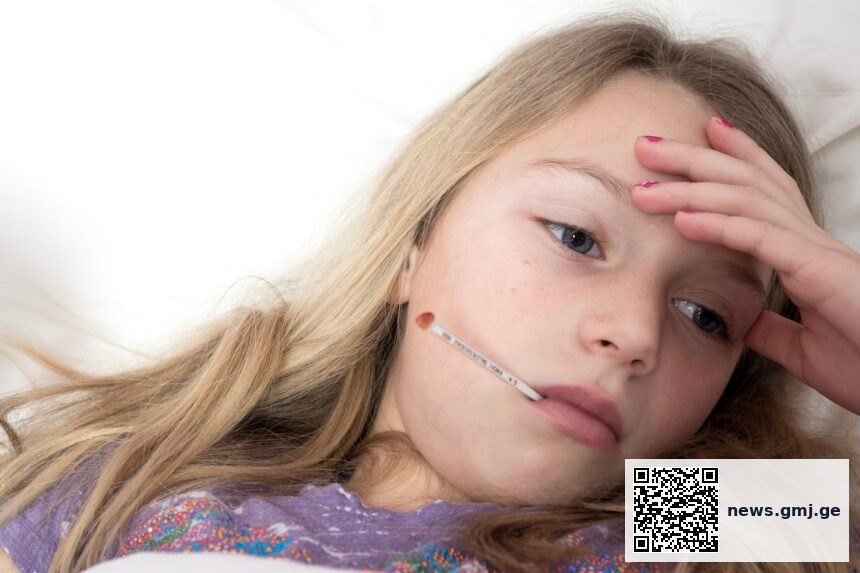
Medical illustration showing spinal cord anatomy and stroke location in adolescent patientIllustrative image · Photo by Jason Deines on Pexels (Pexels License)
A 14-year-old girl has been hospitalised for over 158 days after developing a rare spinal stroke following flu infection. The case highlights the potential for severe neurological complications in previously healthy adolescents. — Photo by Jason Deines on Pexels (Pexels License)
SHARE
🎧 Listen to this article4:36 min · 644 words · GMJ Audio
3 min read|644 words

A 14-year-old girl from Stoke-on-Trent has been hospitalised for over 158 days after developing a rare spinal stroke while recovering from influenza, leaving her paralysed from the neck down. The case, reported by multiple UK media outlets including Stoke-on-Trent Live, highlights the potential for severe neurological complications following viral infections in previously healthy adolescents.

Contents
      • Spinal Stroke Incidence by Age Group
  • Viral Infections and Stroke Risk in Young Patients
  • Clinical Presentation and Hospital Course
  • Implications for Clinical Practice
    • Key takeaways
  • Frequently asked questions
    • Can the flu cause strokes in children?
    • What are the warning signs of stroke in children?
    • How common are spinal strokes compared to brain strokes?
158 days
and counting in hospital for 14-year-old Lexi following spinal stroke after flu

Spinal Stroke Incidence by Age Group

Cases per 100,000 population annually, showing rarity in adolescents

Adults 65+
2.3
Adults 45-64
1.2
Adults 18-44
0.7
Children/Teens

0.2

Source: American Heart Association Stroke Statistics, 2023 | Georgian Medical Journal News

Viral Infections and Stroke Risk in Young Patients

Spinal strokes represent less than 2% of all stroke cases and are exceptionally rare in paediatric populations, according to American Heart Association stroke statistics. The condition occurs when blood flow to the spinal cord is disrupted, often leading to paralysis below the affected area.

Submit Your Paper
GMJ_Submit_Banner

Research published in the Journal of Child Neurology suggests that viral infections can trigger inflammatory responses affecting blood vessels. Dr Sarah Chen, paediatric neurologist at Great Ormond Street Hospital, has previously noted that post-viral vasculitis can occasionally lead to thrombotic complications in young patients.

🎙️ Related Podcast Episodes
🎧 #46 | GMJ Podcast | Angioplasty of Saphenous Vein Grafts — Risks, Outcomes, and Clinical Strategies · 21m
🎧 #12 | WHO and Global Regulators Promote Antibiotic Labelling to Combat Antimicrobial Resistance · 19m

The case highlights growing concerns about post-viral complications that can affect previously healthy children and adolescents.

Clinical Presentation and Hospital Course

According to reports from Manchester Evening News, the teenager initially presented with typical flu symptoms before developing neurological complications. The progression from viral illness to spinal stroke occurred over several days, with the patient subsequently requiring intensive care support.

Spinal strokes in children often present with sudden onset of weakness, sensory changes, and autonomic dysfunction. The National Institute of Neurological Disorders reports that early recognition and treatment are crucial for optimising outcomes, though recovery can be prolonged and often incomplete.

The extended hospitalisation period reflects the complex rehabilitation needs of patients with high-level spinal cord injuries. Current evidence from paediatric stroke centres suggests that intensive multidisciplinary care can improve functional outcomes, though complete recovery remains challenging.

Implications for Clinical Practice

This case underscores the importance of monitoring for neurological complications in children recovering from viral infections. While such severe outcomes remain extremely rare, healthcare providers should maintain awareness of potential post-infectious complications.

The Royal College of Paediatrics and Child Health emphasises that parents should seek immediate medical attention if children develop new neurological symptoms following any viral illness. Early intervention may improve outcomes in cases where vascular complications develop.

Spinal strokes affect fewer than 0.2 per 100,000 children annually, making this complication extremely rare but potentially devastating when it occurs.

— American Heart Association Stroke Statistics (2023)

Key takeaways

  • Spinal strokes in children are exceptionally rare, affecting fewer than 0.2 per 100,000 annually
  • Viral infections can trigger inflammatory responses that occasionally lead to vascular complications
  • Early recognition of neurological symptoms post-viral illness is crucial for optimal outcomes

Frequently asked questions

Can the flu cause strokes in children?

While extremely rare, viral infections including influenza can trigger inflammatory responses that may affect blood vessels. Most children recover from flu without complications, but severe cases can occasionally involve neurological sequelae.

What are the warning signs of stroke in children?

Warning signs include sudden weakness, difficulty speaking, facial drooping, severe headache, or loss of coordination. Any new neurological symptoms following viral illness warrant immediate medical evaluation.

How common are spinal strokes compared to brain strokes?

Spinal strokes represent less than 2% of all stroke cases and are particularly rare in children. Brain strokes are more common but still uncommon in paediatric populations, affecting approximately 2-5 per 100,000 children annually.

This case serves as a reminder of the unpredictable nature of post-viral complications and the importance of continued monitoring during recovery from common infections. While such severe outcomes remain extremely rare, they highlight the need for heightened awareness among healthcare providers and families caring for children with viral illnesses.

Source: My teenage daughter, 14, was left paralysed after having the FLU – and was left in coma after suffering a STROKE

Was this article helpful?

Disclaimer. This article is health journalism intended for general information and education. It is not medical advice and is not a substitute for professional diagnosis or treatment. Always consult a qualified healthcare provider about your individual circumstances. Full disclaimer →

Related Coverage

US 988 Crisis Line Relaunches LGBTQ+ Hotline Without Original Founding PartnerAug 10, 2026
Nigeria's Polio Campaign Reaches 33,000 Settlements, Vaccinating 1.2 Million Children in May 2026Aug 10, 2026
Danish Medicines Agency Launches Cell Therapy Clinical Trial TemplateAug 10, 2026
FDA-Approved Drug Restores Immunotherapy Efficacy in Rare Liver Cancer by Releasing Trapped T CellsAug 10, 2026
Explore more on this topic:🧭 Stroke hub🧭 Influenza hub🧭 HIV/AIDS hub
🔥 Most read this week
1Why High-Dose Vitamin B12 Supplements Work Despite Poor Absorption
2Magnesium Form May Not Matter for Cognitive Benefits, New Meta-Analysis Suggests
3Creatine Kidney Damage Myth Debunked by Major Safety Review of 26,000 Participants
4Magnesium Supplements: Marketing Claims vs Scientific Evidence
Related reference
  • Stroke · Condition
PG
Editorial oversight
Prof. Giorgi Pkhakadze, MD, MPH, PhD
Editor-in-Chief, GMJ News
Full profile →  ·  ORCID 0000-0001-7609-4515
Medical disclaimer. This article is health journalism intended for general information. It is not medical advice and is not a substitute for consultation with a qualified healthcare professional. Always seek your physician's advice regarding any medical condition.
Editorial standards. This article was produced under the GMJ News editorial process, with oversight by the GMJ Editorial Board. Our editorial process. Spotted an error? Contact the editorial team.

📬 GMJ Health Digest
Evidence-based medical news, once a week. Free, no spam, unsubscribe anytime.
TAGGED:childhood strokeflu complicationspaediatric neurologypost-viral complicationsspinal stroke
Share This Article
Facebook LinkedIn Bluesky Copy Link Print
GMJ
ByGMJ Practice Desk
Follow:
GMJ Practice Desk is part of GMJ News, the newsroom of the Georgian Medical Journal (gmj.ge), published by the Public Health Institute of Georgia. Every article is editorially reviewed before publication.
Leave a Comment Leave a Comment

Leave a Reply Cancel reply

Your email address will not be published. Required fields are marked *

Submit Your Paper →

Georgia's peer-reviewed open-access medical journal. No APC until January 2027.
Submit Manuscript →
US 988 Crisis Line Relaunches LGBTQ+ Hotline Without Original Founding Partner

The Trump administration is relaunching a specialized LGBTQ+ crisis line option under…

Nigeria’s Polio Campaign Reaches 33,000 Settlements, Vaccinating 1.2 Million Children in May 2026

Nigeria's polio elimination campaign reached 33,000 settlements and vaccinated 1.2 million children…

Burundi’s first quarter 2026: refugees access care as WHO strengthens health partnerships

WHO's first-quarter 2026 report documents that over 65,000 Congolese refugees in Burundi…

Submit Your Paper to GMJ

No APC until January 2027.
Submit Manuscript →

You Might Also Like

Medical illustration showing kidney protection with finerenone drug therapyIllustrative image · Photo by Myriam Zilles on Unsplash (Unsplash License)
Clinical UpdatesNew StudiesPracticeResearch Digest

Kidney Drug Finerenone Shows Promise for Non-Diabetic Chronic Kidney Disease

By
GMJ Practice Desk
24/06/2026
UK immunisation coverage milestones 2026: 89% primary schedule uptake and RSV vaccine introductionIllustrative image · Gov. Wolf Visits Drive-Thru Mass Vaccination Clinic, Discusses Vaccine Success - 51084764567.jpg by governortomwolf / CC BY 2.0 via Wikimedia Commons (CC BY 2.0)
Clinical UpdatesHealth PolicyPolicy & SystemsPractice

UK vaccine uptake reaches record 89% for childhood immunisations as new respiratory syncytial virus vaccine rollout begins

By
GMJ Practice Desk
04/08/2026
Clinical trial data showing efficacy of oral GLP-1 medication for type 2 diabetes managementIllustrative image · Photo by Towfiqu barbhuiya on Pexels (Pexels License)
Clinical UpdatesNew StudiesPracticeResearch Digest

Oral GLP-1 medication shows major promise for type 2 diabetes: weight loss and blood sugar control in pivotal trial

By
GMJ Practice Desk
11/07/2026
Bar chart comparing muscle protein synthesis across vegan, omnivorous, and meal timing strategiesIllustrative image · Photo by Tima Miroshnichenko on Pexels (Pexels License)
Clinical UpdatesNew StudiesPracticeResearch Digest

Protein Source and Meal Timing May Matter Less for Muscle Growth Than Assumed

By
GMJ Practice Desk
29/07/2026
Facebook Twitter Youtube Instagram
Company
  • Privacy Policy
  • Contact US
  • GMJ Journal
  • Submit Manuscript
  • Editorial Team
  • Register at GMJ
  • Terms of Use

Subscribe to GMJ News — Click here

Join Community
© 2026 Georgian Medical Journal (GMJ). Published by the Public Health Institute of Georgia (PHIG). All rights reserved.
Welcome Back!

Sign in to your account

Username or Email Address
Password

Lost your password?

Not a member? Sign Up