🟢 Strong Evidence
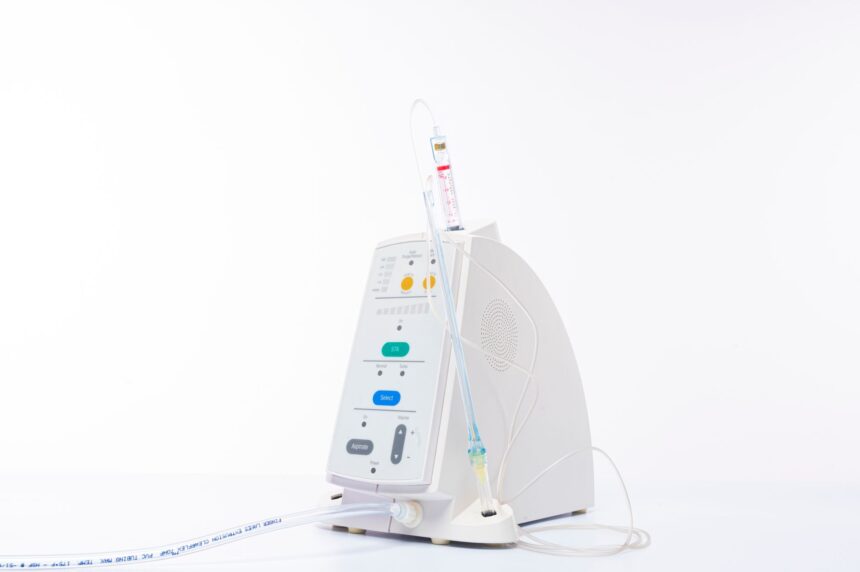
The U.S. Food and Drug Administration has issued an early alert for Baxter’s Volara system patient circuits after reports of air and medication leaks during therapy. According to the FDA’s Medical Device Safety Communication, the leaks occur specifically from the nebulizer cup, potentially compromising patient oxygenation and medication delivery.
Key takeaways
- FDA alerts healthcare providers about air and medication leaks in Baxter Volara breathing circuits
- Leaks from nebulizer cups may reduce patient oxygenation and compromise drug delivery
- Healthcare facilities should inspect devices and consider alternative treatments for critical patients
Medical Device Safety Alert Classifications
FDA risk categories for device safety communications
Source: FDA Device Classification, 2024 | Georgian Medical Journal News

Device malfunction affects critical respiratory care
The Volara system is used for positive pressure breathing therapy in hospitals and healthcare facilities. The FDA’s safety alert indicates that patient circuits may develop leaks specifically at the nebulizer cup connection points during active therapy sessions.
Healthcare providers using the Volara system should inspect devices before each use and monitor patients closely for signs of inadequate oxygenation. The leak issue particularly affects nebulized medication delivery, which could impact treatment effectiveness for patients requiring respiratory support.
Clinical implications for respiratory therapy
Air leaks in positive pressure breathing systems can significantly compromise therapeutic outcomes. According to CDC guidance on medical device safety, healthcare facilities should immediately assess their inventory of affected devices and implement alternative treatment protocols where necessary.
The timing of this alert is particularly significant as respiratory support devices face increased scrutiny following lessons learned during the COVID-19 pandemic. Healthcare systems have enhanced their quality and safety protocols for critical care equipment.
Manufacturer response and next steps
Baxter International has been notified of the device issues and is working with the FDA’s Center for Devices and Radiological Health to address the manufacturing defect. The company is expected to issue guidance to healthcare facilities on device inspection and temporary alternatives.
Healthcare providers should report any adverse events related to the Volara system through the FDA’s MedWatch reporting system. This early alert represents the FDA’s commitment to rapid communication of potential device safety issues before they escalate to formal recalls.
Patient circuits may leak air and medication from the nebulizer cup during therapy, leading to reduced oxygenation and ineffective nebulization
— FDA Medical Device Safety Communication (2024)
What this means
Frequently asked questions
What should healthcare facilities do immediately?
Inspect all Volara system patient circuits for visible damage or loose connections. Monitor patients receiving therapy more frequently and have alternative respiratory support equipment readily available.
How can clinicians identify if their device is affected?
Look for air or medication leaks specifically around the nebulizer cup during therapy sessions. Any visible leakage or reduced therapeutic effectiveness should prompt immediate device replacement.
Will this lead to a formal FDA recall?
The FDA has not yet announced a formal recall. This early alert allows healthcare providers to take precautionary measures while the agency and manufacturer investigate the full scope of the issue.
This early alert underscores the importance of robust post-market surveillance for critical medical devices. Healthcare systems must balance the immediate need for respiratory support equipment with patient safety considerations, particularly as device manufacturers work to resolve manufacturing defects that could compromise patient care outcomes.
Source: Early Alert: Positive Pressure Breathing Device Issue from Baxter
Was this article helpful?
Disclaimer. This article is health journalism intended for general information and education. It is not medical advice and is not a substitute for professional diagnosis or treatment. Always consult a qualified healthcare provider about your individual circumstances. Full disclaimer →
Related Coverage



Editorial standards. This article was produced under the GMJ News editorial process, with oversight by the GMJ Editorial Board. Our editorial process. Spotted an error? Contact the editorial team.