Updated 13/09/2026
🟡 Preliminary Evidence
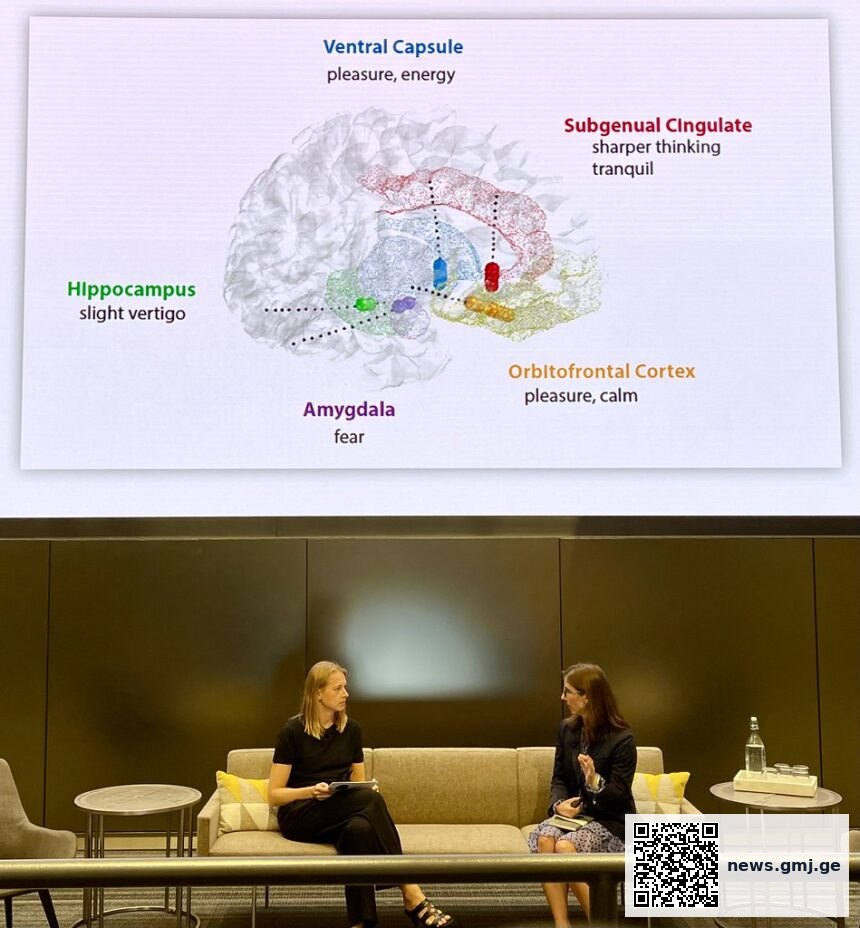
Researchers from the University of Geneva (UNIGE), in collaboration with ETH Zurich, have demonstrated that adding a third pair of electrodes can significantly improve the spatial precision of noninvasive deep brain stimulation in laboratory experiments. The findings, published in a recent study, suggest potential advances for treating neurological and psychiatric disorders without requiring surgical implantation of electrodes.
Key takeaways
- Addition of third electrode pair improves targeting precision in noninvasive deep brain stimulation
- Technique could advance treatment options for neurological and psychiatric conditions
- Research conducted in mouse models shows enhanced spatial accuracy compared to conventional methods
- Findings may help bridge gap between invasive and noninvasive brain stimulation approaches
Study at a Glance
| Source | UNIGE/ETH Zurich Research |
| Study type | Experimental animal study |
| Sample | Mouse models |
| Population | Laboratory mice |
| Country | Switzerland |
Deep Brain Stimulation Approach Comparison
Conventional vs. enhanced electrode configuration effectiveness

Source: UNIGE/ETH Zurich, 2026 | Georgian Medical Journal News
Enhanced Precision Through Additional Electrodes
The research team at UNIGE’s Faculty of Medicine demonstrated that incorporating a third electrode pair into noninvasive deep brain stimulation protocols substantially improved the technique’s spatial accuracy. Traditional noninvasive approaches have faced challenges in precisely targeting deep brain structures without affecting surrounding tissue.
The enhanced configuration allows researchers to better focus stimulation on specific neural circuits while minimizing unintended activation of adjacent brain regions. This represents a significant technical advancement in the field of therapeutic neurostimulation.
Implications for Neurological Disorders
Deep brain stimulation has established efficacy for treating conditions including Parkinson’s disease, essential tremor, and certain psychiatric disorders. However, current clinical applications typically require surgical implantation of electrodes, which carries inherent risks and limits patient accessibility.
The UNIGE-ETH Zurich collaboration’s findings suggest that enhanced noninvasive approaches could potentially offer similar therapeutic benefits without surgical intervention. According to the research team, this advancement could expand treatment options for patients who are not candidates for invasive procedures or prefer less invasive alternatives.
The third electrode pair configuration demonstrated significantly improved spatial targeting precision compared to conventional two-electrode noninvasive stimulation methods in mouse brain tissue.
— Research Team, University of Geneva (Medical Xpress, 2026)
Technical Advancement and Clinical Translation
The researchers utilized sophisticated electrode positioning to achieve more precise current delivery to target brain regions. This technical innovation addresses a longstanding limitation of noninvasive brain stimulation techniques, which have historically struggled with spatial specificity compared to their invasive counterparts.
The ETH Zurich collaboration contributed advanced modeling capabilities that helped optimize electrode placement and current parameters. The research represents progress toward bridging the efficacy gap between invasive and noninvasive brain stimulation approaches.
What this means
Frequently asked questions
How does this differ from current deep brain stimulation?
Current clinical deep brain stimulation requires surgically implanted electrodes. This research explores noninvasive approaches using external electrodes that could achieve similar precision without surgery.
When might this be available for patients?
The research is currently in preclinical stages using mouse models. Human clinical trials and regulatory approval would be required before clinical availability, likely requiring several years of additional development.
What conditions could this potentially treat?
The technique could potentially address the same conditions currently treated with invasive deep brain stimulation, including Parkinson’s disease, essential tremor, depression, and obsessive-compulsive disorder.
The research represents an important step toward developing clinically viable noninvasive alternatives to surgical deep brain stimulation. While translation to human applications requires extensive additional research and clinical validation, the improved precision demonstrated in these experiments suggests promising potential for expanding therapeutic access. Future studies will likely focus on optimizing the technique for human brain anatomy and conducting safety evaluations in preparation for eventual clinical trials.
Source: Third electrode pair can sharpen deep brain stimulation technique, mouse experiments suggest
🗺️ Find certified Georgian healthcare providers: sheniekimi.ge — Georgia Health Map · 998 clinics · 6,600+ doctors · 2,296 pharmacies
Was this article helpful?
Disclaimer. This article is health journalism intended for general information and education. It is not medical advice and is not a substitute for professional diagnosis or treatment. Always consult a qualified healthcare provider about your individual circumstances. Full disclaimer →
Related Coverage



Editorial standards. This article was produced under the GMJ News editorial process, with oversight by the GMJ Editorial Board. Our editorial process. Spotted an error? Contact the editorial team.