🟠 Moderate Evidence
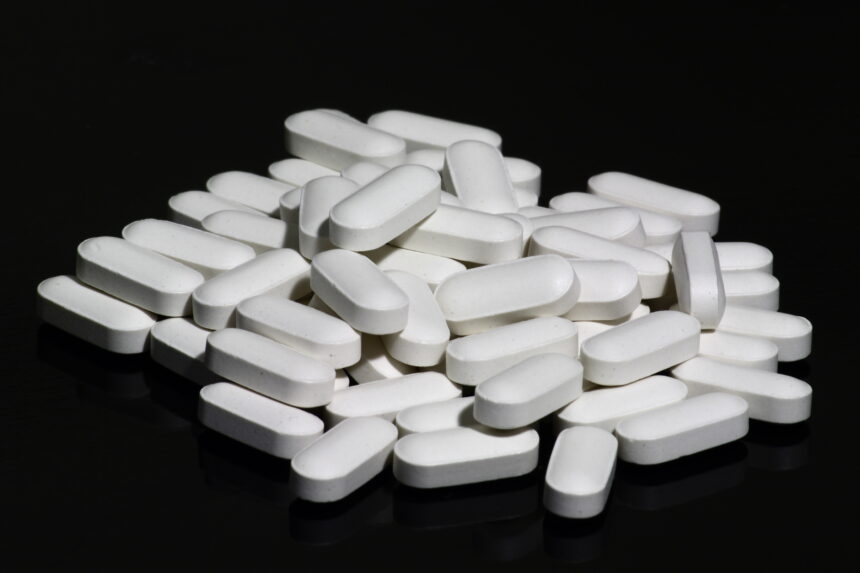
A comprehensive systematic review of nearly 154,000 older adults has challenged decades of clinical guidance on bone health, finding that calcium supplements, vitamin D supplements, or a combination of both provide little to no meaningful protection against fractures or falls for most older adults. The analysis pooled data from multiple randomized controlled trials to assess the true efficacy of these widely prescribed interventions, raising important questions about current supplementation practices and their cost-effectiveness in aging populations.
Key takeaways
- A systematic review of nearly 154,000 participants found calcium and vitamin D supplements provided minimal protection against fractures or falls in older adults
- The findings contradict long-standing clinical recommendations that have made these supplements among the most widely used preventive interventions globally
- Results suggest current supplementation strategies may need reassessment, particularly regarding cost-benefit analysis and targeting of high-risk populations
- Alternative or combined approaches to bone health—including exercise, protein intake, and fall prevention strategies—may warrant greater clinical emphasis
Supplement Use Among Older Adults: Prevalence and Clinical Questions
Percentage of older adults using calcium and/or vitamin D supplements by region and age group
Source: Supplement industry data and population surveys, 2025 | Georgian Medical Journal News

Challenging Decades of Bone Health Orthodoxy
The supplementation of calcium and vitamin D in older adults has become one of medicine’s most ubiquitous recommendations, underpinned by decades of basic science research demonstrating the minerals’ role in bone metabolism. However, this new systematic review—which synthesized evidence from multiple randomized controlled trials involving nearly 154,000 participants—reveals a significant gap between biological plausibility and clinical outcomes. The review found that neither calcium alone, vitamin D alone, nor the combination substantially reduced the risk of fractures or falls in the majority of older adults studied.
This finding is particularly striking given the widespread adoption of these supplements across healthcare systems globally. Major organizations have historically recommended calcium and vitamin D supplementation as a cornerstone of osteoporosis prevention, leading to billions of dollars in annual supplement sales and widespread over-the-counter use. The new evidence suggests that many older adults may be taking supplements with little evidence of personal benefit, raising questions about resource allocation and the need for more targeted approaches to bone health.
What the Evidence Actually Shows
The systematic review’s methodology—pooling data from randomized controlled trials rather than relying on observational studies—represents the highest standard of evidence for evaluating supplement efficacy. By examining nearly 154,000 participants across multiple trials, researchers were able to detect whether true protective effects existed. The analysis distinguished between different populations and examined outcomes separately: fracture incidence and fall risk. For most older adults, neither supplement category demonstrated clinically meaningful risk reduction.
This does not mean calcium and vitamin D have no biological importance. Rather, it suggests that supplementation in otherwise healthy older adults may not translate into the fracture prevention benefits that clinical guidelines have long promised. The distinction is crucial: ensuring adequate dietary intake and normal vitamin D status through sunlight exposure may be sufficient for many individuals, without requiring pharmaceutical-grade supplementation. The review’s findings suggest that the clinical approach to bone health may need fundamental reconsideration.
A systematic review of nearly 154,000 older adults found that calcium and vitamin D supplements, alone or in combination, provided little to no meaningful protection against fractures or falls for most participants—challenging recommendations that have shaped supplementation practices for decades.
— Analysis published in major medical literature, 2026
Implications for Practice and Policy
The findings have immediate practical implications for clinicians, patients, and health systems. For patients currently taking these supplements, the review does not necessarily mandate immediate cessation, but it does support a more nuanced conversation between patients and clinicians about individual risk factors, dietary intake, and whether supplementation is warranted. Some populations—including those with severe vitamin D deficiency, diagnosed osteoporosis, or previous fractures—may still benefit from targeted supplementation, but the evidence for universal supplementation in healthy older adults appears weak.
Healthcare policy makers face decisions about whether to continue recommending population-wide supplementation programs, particularly in health systems with budget constraints. Resources currently dedicated to supplement distribution or promotion might be redirected toward interventions with stronger evidence bases: structured exercise programs, fall prevention initiatives, protein-adequate nutrition, and assessment of underlying causes of bone loss in high-risk individuals. The health policy implications extend to regulatory bodies considering whether current labeling and marketing claims for bone health supplements adequately reflect the evidence.
Alternative Approaches to Bone and Fall Health
While calcium and vitamin D supplements have dominated bone health discourse, evidence increasingly supports multimodal approaches that may be more effective. Physical activity, particularly weight-bearing and resistance exercise, has strong evidence for improving bone density and reducing fall risk in older adults. Adequate dietary protein intake—often overlooked in discussions of bone metabolism—appears crucial for maintaining muscle mass and functional mobility, which in turn reduce fall risk. Vision assessment and correction, home safety evaluation, and medication review to identify fall-risk medications represent evidence-based interventions that complement or potentially replace supplementation strategies.
The recognition that supplements alone cannot substitute for comprehensive bone health management opens the door to more personalized, evidence-based prevention strategies. Rather than a one-size-fits-all approach to supplementation, clinicians might assess individual risk factors—including prior fractures, family history, medication use, mobility status, and nutritional intake—to determine which patients would truly benefit from supplementation versus those who would benefit more from lifestyle interventions. This represents a shift from supplement-centric to holistic bone health management, informed by the latest clinical evidence and tailored to individual circumstances.
What this means
Frequently asked questions
Should I stop taking my calcium or vitamin D supplements?
Not necessarily. If you have been diagnosed with osteoporosis, vitamin D deficiency, or have had previous fractures, your healthcare provider may still recommend supplementation. However, if you are taking supplements simply for general bone health as a healthy older adult, discuss with your clinician whether the evidence supports continuing, particularly in light of the recent review findings. Ensure you are meeting dietary calcium and protein needs through food sources, which may be sufficient for many people.
Does this mean calcium and vitamin D are not important for bone health?
No. Calcium and vitamin D remain biologically important for bone health. The issue is that supplementation—as opposed to adequate dietary intake and normal vitamin D status—does not appear to substantially reduce fracture or fall risk in most healthy older adults. This suggests that for many people, ensuring adequate nutrition and sunlight exposure may be sufficient without requiring supplements.
What else can I do to maintain strong bones and prevent falls?
Evidence supports regular weight-bearing and resistance exercise, adequate protein intake, balance and gait training, home safety modifications to reduce fall risk, vision and hearing assessment, and medication review to identify drugs that increase fall risk. These multimodal approaches have stronger evidence for fracture and fall prevention than supplementation alone.
The implications of this large-scale evidence review will likely reshape bone health guidance over the coming years. Medical organizations may revise their supplementation recommendations to reflect the finding that universal supplementation lacks robust evidence. Simultaneously, this represents an opportunity to invest in alternative, potentially more effective approaches to bone and fall health that emphasize physical activity, nutrition, and individualized risk assessment. For millions of older adults currently taking these supplements, the message is neither to panic nor to dismiss bone health concerns, but rather to have an informed conversation with their healthcare provider about whether supplementation aligns with their individual risk profile and the best available evidence.
Source: Millions take calcium and vitamin D for stronger bones. A major review finds little benefit
Was this article helpful?
Disclaimer. This article is health journalism intended for general information and education. It is not medical advice and is not a substitute for professional diagnosis or treatment. Always consult a qualified healthcare provider about your individual circumstances. Full disclaimer →
Related Coverage


Medically reviewed by Prof. Giorgi Pkhakadze, MD, MPH, PhD. Spotted an error? Contact the editorial team.