By using this site, you agree to the Privacy Policy and Terms of Use.
Accept
GMJ NewsGMJ NewsGMJ News
  • Latest News
    • GMJ Briefs
  • Podcast & Media
    • Podcast Episodes
    • GMJ Audio
    • GMJ Videos
  • Research Digest
    • New Studies
    • Georgian Research
    • Data & Numbers
  • Policy & Systems
    • Health Policy
    • Quality & Safety
    • Migration & Health
    • Global Health
  • Practice
    • Clinical Updates
    • Case Discussions
    • Pharmacy & Prescribing
    • Ingredients A-Z
  • Perspectives
    • Editorial
    • Explainers
    • Voices
    • Letters
  • GMJ Articles
    • Vol. 1 Issue 2 (2026)
    • Vol. 1 Issue 1 (2026)
    • Pre-Launch Articles (2025)
  • Read the Journal →
  • About GMJ News
Notification Show More
Font ResizerAa
GMJ NewsGMJ News
Font ResizerAa
  • Latest News
    • GMJ Briefs
  • Podcast & Media
    • Podcast Episodes
    • GMJ Audio
    • GMJ Videos
  • Research Digest
    • New Studies
    • Georgian Research
    • Data & Numbers
  • Policy & Systems
    • Health Policy
    • Quality & Safety
    • Migration & Health
    • Global Health
  • Practice
    • Clinical Updates
    • Case Discussions
    • Pharmacy & Prescribing
    • Ingredients A-Z
  • Perspectives
    • Editorial
    • Explainers
    • Voices
    • Letters
  • GMJ Articles
    • Vol. 1 Issue 2 (2026)
    • Vol. 1 Issue 1 (2026)
    • Pre-Launch Articles (2025)
  • Read the Journal →
  • About GMJ News
Follow US
GMJ News > Practice > Clinical Updates > Thyroid Health Depends on Three Nutrients Working Together, Not One Alone
Clinical UpdatesExplainersPerspectivesPractice

Thyroid Health Depends on Three Nutrients Working Together, Not One Alone

GMJ
Last updated: 12/07/2026 13:29
By
GMJ Practice Desk
Share
8 Min Read
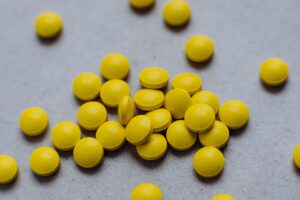
Infographic showing iodine, selenium, and tyrosine roles in thyroid hormone synthesis and regulationIllustrative image · Photo by Thoranin Duangsin on Pexels (Pexels License)
Thyroid hormone production requires iodine, selenium, and tyrosine working together as an integrated system. Each nutrient plays a distinct biochemical role: iodine forms the hormone structure, selenium enables enzyme conversion and antioxidant protection, and tyrosine provides the amino-acid scaffold. Imbalanced supplementation—particularly excess iodine without adequate selenium—can strain thyroid function rather than improve it. — Photo by Thoranin Duangsin on Pexels (Pexels License)
SHARE
5 min read|1,012 words
✓ Medically reviewed by Prof. Giorgi Pkhakadze, MD, MPH, PhD · ORCID 0000-0001-7609-4515

🟠 Moderate Evidence

Contents
    • Key takeaways
      • Recommended Daily Nutrient Intake for Thyroid Health
  • Iodine: The Structural Backbone of Thyroid Hormone
  • Selenium: The Regulator and Protector
  • Tyrosine: The Amino-Acid Scaffold
  • Why Balance Matters More Than Megadosing
    • What this means
  • Frequently asked questions
    • Can I take iodine supplements without selenium, or will it hurt my thyroid?
    • Do I need to supplement iodine, selenium, and tyrosine, or can I get enough from food?
    • Can selenium supplementation alone improve thyroid function if iodine intake is adequate?

Thyroid hormone production is not controlled by a single nutrient but by an interconnected system of three trace elements and amino acids working in concert. Research on thyroid biochemistry shows that iodine provides the structural backbone of thyroid hormones, selenium regulates their conversion and protects the gland, and tyrosine serves as the amino-acid scaffold where iodine binds during synthesis. Without this coordinated system, thyroid dysfunction emerges.

Key takeaways

  • Iodine is built directly into thyroid hormones T4 and T3; without it, hormone synthesis fails entirely
  • Selenium enables the enzymes that convert inactive T4 into active T3 and protects thyroid tissue from oxidative damage
  • Tyrosine is the structural scaffold iodine binds to; all three nutrients must be present for hormone production to proceed
  • Excess iodine without adequate selenium can actually strain the thyroid, highlighting the importance of balance over megadosing
  • Recommended daily intakes are modest: 150 mcg iodine, 55 mcg selenium, and 500–1,000 mg tyrosine from food sources
150 mcg
Recommended daily iodine intake for adults; the amount needed for full thyroid hormone synthesis

Recommended Daily Nutrient Intake for Thyroid Health

Micrograms or milligrams per day; upper limits shown for selenium

Iodine (target)
150 mcg
Selenium (target)
55 mcg
Selenium (study range)
100 mcg
Selenium (upper limit)
400 mcg

Source: Nutrient intake recommendations from clinical nutrition literature | Georgian Medical Journal News

Submit Your Paper
GMJ_Submit_Banner

Iodine: The Structural Backbone of Thyroid Hormone

Iodine is the non-negotiable structural component of both T4 (thyroxine) and T3 (triiodothyronine), the two primary thyroid hormones. Without adequate iodine, the thyroid cannot synthesize these hormones at all, and no downstream regulation can compensate for this fundamental deficit.

🎙️ Related Podcast Episodes
🎧 #28 | GMJ Podcast | SheniEkimi.ge #1: Top 5 Evidence-Based Public Health News · 19m
🎧 #52 | GMJ Podcast | Health and Migration Knowledge Hub — A Global Resource for Evidence-Based Practice · 17m
🎧 #30 | GMJ Podcast | Global Health: Why Health Systems Matter · 15m
🎧 #26 | Denmark Becomes First EU Country to Eliminate Mother-to-Child Transmission of HIV and · 14m
🎧 #22 | WHO Global School on Refugee and Migrant Health: From Policy to Action · 20m

The target intake for adults is 150 micrograms per day, according to international nutrition standards. Food sources include iodized salt, seaweed (in small amounts), fish, eggs, and dairy products. However, a critical clinical observation emerges from recent literature: excess iodine without adequate selenium can paradoxically strain the thyroid. This interdependence illustrates why nutrient balance matters more than individual megadosing.

Selenium: The Regulator and Protector

Selenium plays two critical roles in thyroid function that iodine alone cannot perform. First, selenium is required for iodothyronine deiodinase enzymes, which convert the inactive storage form T4 into the biologically active T3 that cells can use. Without adequate selenium, T4 accumulates and T3 levels drop, even if iodine intake is sufficient.

Second, selenium-dependent glutathione peroxidases protect thyroid tissue from oxidative stress during the intensive hormone production process. The recommended intake is 55 micrograms per day for adults, though clinical studies have used up to 100 micrograms daily in therapeutic contexts. The upper safe limit is 400 micrograms per day. Food sources include Brazil nuts (one to two nuts provide substantial amounts), seafood, eggs, and whole grains.

Without adequate selenium, T4 cannot be converted into active T3, and the thyroid gland becomes vulnerable to oxidative damage during hormone production—even when iodine intake is optimal.

— Thyroid Biochemistry Research, PubMed Central (PMID: 18686295)

Tyrosine: The Amino-Acid Scaffold

Tyrosine is the amino-acid foundation to which iodine attaches during thyroid hormone synthesis. Without adequate tyrosine, the entire biosynthetic pathway stalls upstream, before iodine can even be incorporated. Typical dietary intake ranges from 500 to 1,000 milligrams per day.

Tyrosine is abundant in poultry, dairy products, fish, legumes, and nuts. Most people consuming adequate protein obtain sufficient tyrosine without supplementation. However, in clinical settings involving thyroid support, tyrosine is often included alongside iodine and selenium to ensure the entire synthesis pathway functions smoothly.

Why Balance Matters More Than Megadosing

A common clinical error is supplementing iodine in isolation, assuming more iodine will automatically improve thyroid function. The evidence shows the opposite: iodine excess without selenium protection can strain the gland and impair regulation. Thyroid health is a systems problem, not a single-nutrient deficiency.

The practical strategy is to ensure all three nutrients are present at recommended levels simultaneously. This approach supports thyroid hormone synthesis (iodine + tyrosine), conversion and activation (selenium), and gland protection from oxidative stress (selenium). For most adults eating a balanced diet rich in fish, dairy, eggs, and whole grains, supplementation may not be necessary—but assessment of individual status is worthwhile before supplementing.

What this means

For patients: If you have thyroid symptoms, ask your clinician to assess all three nutrients—iodine, selenium, and tyrosine—rather than supplementing iodine alone. Food sources are often sufficient; if supplementing, ensure balance across all three.
For clinicians: When managing hypothyroidism or thyroid dysfunction, evaluate selenium and tyrosine status alongside iodine. A single-nutrient approach may be ineffective or counterproductive. Consider dietary assessment before recommending supplementation.
For policymakers: Public health campaigns on thyroid health should emphasize the interconnected nutrient system rather than iodine alone. Nutrition education programs should address the balance between iodine, selenium, and protein intake across populations.

Frequently asked questions

Can I take iodine supplements without selenium, or will it hurt my thyroid?

Iodine excess without adequate selenium can stress the thyroid and impair hormone regulation. Research indicates that selenium protects the gland during iodine-dependent hormone production. If supplementing iodine, ensure concurrent selenium intake—either from food (Brazil nuts, seafood) or a balanced supplement.

Do I need to supplement iodine, selenium, and tyrosine, or can I get enough from food?

Most people eating a balanced diet with fish, dairy, eggs, legumes, and whole grains obtain sufficient amounts of all three nutrients. Supplementation is warranted only if dietary intake is low or if you have diagnosed deficiency. A registered dietitian can assess your individual intake before you supplement.

Can selenium supplementation alone improve thyroid function if iodine intake is adequate?

Clinical studies show that selenium supplementation improves thyroid and immune function in people with adequate iodine, particularly those with autoimmune thyroid disease. However, selenium without iodine will not enable thyroid hormone synthesis. The system requires all three nutrients working together.

Thyroid health is fundamentally a question of nutritional systems—not of finding the single most important nutrient, but of ensuring that iodine, selenium, and tyrosine are all present and balanced. As understanding of thyroid biochemistry advances, the clinical emphasis has shifted from iodine supplementation alone to comprehensive nutrient assessment. For clinicians and patients alike, the message is clear: support the system, not the single nutrient.

Source: Thyroid nutrient biochemistry and clinical applications (PMID: 18686295)

Was this article helpful?

Disclaimer. This article is health journalism intended for general information and education. It is not medical advice and is not a substitute for professional diagnosis or treatment. Always consult a qualified healthcare provider about your individual circumstances. Full disclaimer →

Related Coverage

How Brain-Spine Circuits Control Walking—And Why They Fail First in Aging and Parkinson's DiseaseJul 23, 2026
How Your Cells Build New Mitochondria: The Science of Energy ProductionJul 22, 2026
Light Roast Retains Most Chlorogenic Acids, But Dark Roast Offers Different AntioxidantsJul 22, 2026
Thyroid Health Requires Nutritional Balance: Why Iodine, Selenium, and Tyrosine Work as a SystemJul 22, 2026
Related reference
  • Iodine supplements · Drug
  • Hypothyroidism · Condition
  • Glutathione · Ingredient
  • Selenium · Ingredient
  • Iodine · Ingredient
PG
Written by
Prof. Giorgi Pkhakadze, MD, MPH, PhD
Editor-in-Chief, GMJ News
Full profile →  ·  ORCID 0000-0001-7609-4515
Medical disclaimer. This article is health journalism intended for general information. It is not medical advice and is not a substitute for consultation with a qualified healthcare professional. Always seek your physician's advice regarding any medical condition.
Medically reviewed by Prof. Giorgi Pkhakadze, MD, MPH, PhD. Spotted an error? Contact the editorial team.

Get the GMJ News digest
Evidence-based health journalism in your inbox. No spam; unsubscribe anytime.
TAGGED:endocrinologyiodinenutritional biochemistryseleniumthyroidtyrosine
Share This Article
Facebook LinkedIn Bluesky Copy Link Print
GMJ
ByGMJ Practice Desk
Follow:
GMJ Practice Desk is part of GMJ News, the newsroom of the Georgian Medical Journal (gmj.ge), published by the Public Health Institute of Georgia. Every article is editorially reviewed before publication.
Leave a Comment Leave a Comment

Leave a Reply Cancel reply

Your email address will not be published. Required fields are marked *

Submit Your Paper →

Georgia's peer-reviewed open-access medical journal. No APC until January 2027.
Submit Manuscript →
How Brain-Spine Circuits Control Walking—And Why They Fail First in Aging and Parkinson’s Disease

Walking relies on integrated brain-spine circuits controlling posture, balance, and rhythm. New…

Magnesium and Heart Disease: What the Evidence Actually Shows

A meta-analysis of 40 population studies involving over one million people found…

How Your Cells Build New Mitochondria: The Science of Energy Production

When energy demand increases—during exercise, fasting, or cold exposure—cells activate mitochondrial biogenesis…

Submit Your Paper to GMJ

No APC until January 2027.
Submit Manuscript →

You Might Also Like

Infographic showing PCOS prevalence rates across different global regions with medical terminology discussion
Clinical UpdatesPractice

PCOS Name Change Campaign Gains Momentum as Women Seek Better Understanding

By
GMJ Practice Desk
09/06/2026
ICU patient in rooftop garden with medical equipment and natural surroundingsIllustrative image · Photo by Bunly Hort on Unsplash (Unsplash License)
Clinical UpdatesPractice

ICU Rooftop Gardens Show Promise for Critically Ill Patient Recovery

By
GMJ Practice Desk
14/06/2026
Brain-computer interface electrode array implanted in motor cortex for speech and cursor control restorationIllustrative image · Photo by Google DeepMind on Pexels (Pexels License)
Clinical UpdatesNew StudiesPracticeResearch Digest

Brain-Computer Interface Restores Speech in ALS Patient After Two Years of Home Use

By
GMJ Practice Desk
11/07/2026
Bar chart showing zinc absorption efficiency declining from 73% at 2mg dose to 37% at 30mg doseIllustrative image · Photo by Supliful - Supplements On Demand on Unsplash (Unsplash License)
Clinical UpdatesExplainersPerspectivesPractice

Why higher zinc supplement doses don’t deliver proportionally more absorption

By
GMJ Practice Desk
21/07/2026
Facebook Twitter Youtube Instagram
Company
  • Privacy Policy
  • Contact US
  • GMJ Journal
  • Submit Manuscript
  • Editorial Team
  • Register at GMJ
  • Terms of Use

Subscribe to GMJ News — Click here

Join Community
© 2026 Georgian Medical Journal (GMJ). Published by the Public Health Institute of Georgia (PHIG). All rights reserved.
Welcome Back!

Sign in to your account

Username or Email Address
Password

Lost your password?

Not a member? Sign Up