By using this site, you agree to the Privacy Policy and Terms of Use.
Accept
GMJ NewsGMJ NewsGMJ News
  • Latest News
    • GMJ Briefs
  • Podcast & Media
    • Podcast Episodes
    • GMJ Audio
    • GMJ Videos
  • Research Digest
    • New Studies
    • Georgian Research
    • Data & Numbers
  • Policy & Systems
    • Health Policy
    • Quality & Safety
    • Migration & Health
    • Global Health
  • Practice
    • Clinical Updates
    • Case Discussions
    • Pharmacy & Prescribing
    • Ingredients A-Z
  • Perspectives
    • Editorial
    • Explainers
    • Voices
    • Letters
  • Health Topics
  • GMJ Articles
    • Vol. 1 Issue 2 (2026)
    • Vol. 1 Issue 1 (2026)
    • Pre-Launch Articles (2025)
  • Read the Journal →
  • About GMJ News
Notification Show More
Font ResizerAa
GMJ NewsGMJ News
Font ResizerAa
  • Latest News
    • GMJ Briefs
  • Podcast & Media
    • Podcast Episodes
    • GMJ Audio
    • GMJ Videos
  • Research Digest
    • New Studies
    • Georgian Research
    • Data & Numbers
  • Policy & Systems
    • Health Policy
    • Quality & Safety
    • Migration & Health
    • Global Health
  • Practice
    • Clinical Updates
    • Case Discussions
    • Pharmacy & Prescribing
    • Ingredients A-Z
  • Perspectives
    • Editorial
    • Explainers
    • Voices
    • Letters
  • Health Topics
  • GMJ Articles
    • Vol. 1 Issue 2 (2026)
    • Vol. 1 Issue 1 (2026)
    • Pre-Launch Articles (2025)
  • Read the Journal →
  • About GMJ News
Follow US
GMJ News > Practice > Clinical Updates > Late-life breast cancer screening reveals diagnosis in 79-year-old woman
Clinical UpdatesHealth PolicyPolicy & SystemsPractice

Late-life breast cancer screening reveals diagnosis in 79-year-old woman

GMJ
Last updated: 12/07/2026 13:29
By
GMJ Practice Desk
Share
8 Min Read
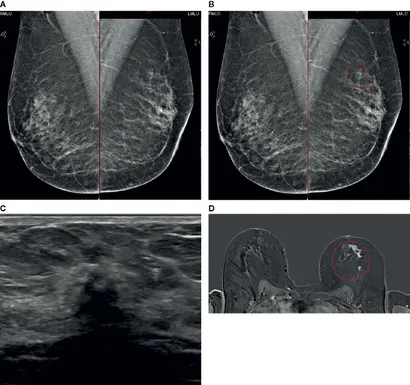
Mammography screening; older woman with healthcare provider discussing breast cancer screening eligibilityIllustrative image · A case of extensive ILC in a 50-year-old female attending for 1st breast screening.webp by Natalie Wilson / CC BY 4.0 via Wikimedia Commons (CC BY 4.0)
A 79-year-old woman in the United Kingdom discovered breast cancer after self-initiating a mammography request, highlighting gaps in screening accessibility and awareness for older populations. — A case of extensive ILC in a 50-year-old female attending for 1st breast screening.webp by Natalie Wilson / CC BY 4.0 via Wikimedia Commons (CC BY 4.0)
SHARE
5 min read|960 words
✓ Reviewed by GMJ News Editorial Team

A 79-year-old woman in the United Kingdom discovered she had breast cancer after directly requesting mammography screening, highlighting potential gaps in age-based screening protocols for older adults. According to BBC News reporting, Carol Turansky had to contact her local breast cancer screening unit herself to access imaging, raising questions about proactive outreach to women beyond standard screening age ranges.

Contents
    • Key takeaways
      • Breast Cancer Risk by Age Group in the United Kingdom
  • Screening gaps in older populations
  • Patient-initiated screening and cancer detection
  • Implications for age-based screening policy
    • What this means
  • Frequently asked questions
    • Can women over 75 request breast cancer screening in the UK?
    • Is breast cancer screening recommended for all women over 75?
    • Why do screening programmes often have age cutoffs?

Key takeaways

  • Breast cancer can present in women aged 79 and older, yet routine screening often stops at earlier ages
  • Patient-initiated requests for screening may identify cancers that would otherwise be missed
  • Healthcare systems may need to reconsider age cutoffs for mammography eligibility and proactive outreach
79
Age at which Carol Turansky self-initiated screening request and received breast cancer diagnosis

Breast Cancer Risk by Age Group in the United Kingdom

Approximate annual incidence per 100,000 women; UK cancer surveillance data

Ages 70–79
95
Ages 80–89
88
Ages 60–69
72
Ages 50–59
48

Source: Cancer Research UK / NHS Cancer Registries | Georgian Medical Journal News

Screening gaps in older populations

The UK’s National Health Service (NHS) breast cancer screening programme routinely invites women aged 50 to 74 for three-yearly mammography. Women over 75 can request screening but are not actively called for routine participation. According to BBC reporting on Turansky’s case, this eligibility structure may mean some older women remain unaware they can access screening, or that healthcare providers do not proactively encourage it in this age group.

Submit Your Paper
GMJ_Submit_Banner

Breast cancer incidence remains substantial in women aged 75 and older. Data from Cancer Research UK indicate that breast cancer rates continue to rise with advancing age, yet screening uptake in older populations is often lower than in younger cohorts due to perceived life expectancy, competing health priorities, and reduced visibility in screening campaigns.

🎙️ Related Podcast Episodes
🎬 GMJ Video Series | Rare Case: Lung Cancer & Tuberculosis Coexistence
🎧 #43 | GMJ Podcast | Cardiovascular Screening in Pediatric Athletes — Risk Stratification and Public Health Implications · 20m
🎧 #25 | WHO Warns: Childhood Hearing Loss Must Be Addressed Early · 19m

Patient-initiated screening and cancer detection

Turansky’s proactive request led directly to her diagnosis, demonstrating that motivated older women can successfully access screening when they take the initiative. Her case underscores the importance of ensuring that women in older age groups understand their eligibility and feel empowered to request mammography without requiring a GP referral or explicit health concern. The National Institute for Health and Care Excellence (NICE) guidelines emphasize informed choice in cancer screening, particularly for populations where evidence of benefit is less clear-cut than in younger age groups.

Research published in medical literature has shown that older women who do undergo screening have outcomes similar to younger populations when cancers are detected at earlier stages. However, access barriers—including lack of awareness, organisational screening cessation at a given age, and assumptions by clinicians about appropriateness—can prevent diagnosis. This suggests patient engagement and accessible referral pathways are essential.

Implications for age-based screening policy

Turansky’s experience raises important questions about how healthcare systems should approach breast cancer screening in women over 75. While universal screening in very elderly populations may not be cost-effective or clinically indicated for all, current systems may inadvertently exclude women who are fit, motivated, and at genuine risk. The World Health Organization (WHO) emphasises that screening decisions should be individualised and based on life expectancy, comorbidities, and informed consent rather than chronological age alone.

This case also highlights the value of maintaining screening pathways accessible to older women who request them. Some healthcare systems in Europe have begun offering opportunistic screening to women over 74 or allowing unrestricted access to mammography on demand, recognizing that many older women remain healthy and may benefit from early detection.

A 79-year-old woman in the United Kingdom was diagnosed with breast cancer after self-initiating contact with her local breast screening service, indicating that proactive patient engagement may identify cancers in older populations who fall outside routine age-targeted screening programmes.

— BBC News reporting; case documented in NHS screening practice

What this means

For patients: Women over 75 should be aware they remain eligible for breast cancer screening on request; discussing screening options with a GP is a reasonable approach if symptoms or personal risk factors are present.
For clinicians: Proactive discussion of breast cancer screening eligibility and individualised risk assessment should extend to older patients, particularly those in good general health.
For policymakers: Healthcare systems should clarify and publicise screening eligibility for women over age cutoffs, and consider streamlined access pathways that do not require explicit referral, enabling informed choice.

Frequently asked questions

Can women over 75 request breast cancer screening in the UK?

Yes. Although the NHS invites women aged 50–74 routinely, women over 75 can request screening by contacting their breast screening unit directly or via their GP. The system does not prohibit older women from accessing mammography; however, proactive outreach is limited, which may reduce awareness.

Is breast cancer screening recommended for all women over 75?

Guidelines from NICE and the WHO suggest that screening decisions in older women should be individualised rather than age-based alone. Screening may be appropriate for women in good health with a reasonable life expectancy, but should not be routine for all. Discussion of benefits, risks, and false positives is important.

Why do screening programmes often have age cutoffs?

Age cutoffs exist because cost-effectiveness analyses typically show the strongest benefit in women aged 50–70. Screening in older populations must weigh benefits against harms (false positives, overdiagnosis, treatment burden). However, this does not mean screening is inappropriate for all older women—individualised assessment is key.

Turansky’s case serves as a reminder that chronological age should not be a barrier to cancer screening for women who are informed and motivated. As populations age globally, healthcare systems will need to reconsider how they balance population-level screening guidance with the principles of informed choice and accessibility. Clearer communication about screening eligibility and simplified pathways for older women to access imaging may help identify cancers earlier in this growing demographic. Further research into outcomes and quality indicators for screening in women over 75 could inform future policy development.

Source: Woman found cancer after requesting mammogram at 79 — BBC News

Was this article helpful?

Disclaimer. This article is health journalism intended for general information and education. It is not medical advice and is not a substitute for professional diagnosis or treatment. Always consult a qualified healthcare provider about your individual circumstances. Full disclaimer →

Related Coverage

Cat Scratch Disease Returns: What Clinicians and Patients Need to KnowAug 12, 2026
Mechanism of chemotherapy resistance in ovarian cancer identified—and reversibleAug 12, 2026
Mobile HPV screening aboard river ships reaches cervical cancer care to remote Amazon communitiesAug 12, 2026
Healthy Diet and Exercise Cut Disease Risk Even Without Weight Loss, Major US Study FindsAug 12, 2026
Explore more on this topic:🧭 Cancer hub🧭 Women's Health hub🧭 Ageing and Health hub
🔥 Most read this week
1Magnesium Form May Not Matter for Cognitive Benefits, New Meta-Analysis Suggests
2Creatine Kidney Damage Myth Debunked by Major Safety Review of 26,000 Participants
3Why High-Dose Vitamin B12 Supplements Work Despite Poor Absorption
4Magnesium Supplements: Marketing Claims vs Scientific Evidence
Related reference
  • Breast Cancer · Condition
PG
Editorial oversight
Prof. Giorgi Pkhakadze, MD, MPH, PhD
Editor-in-Chief, GMJ News
Full profile →  ·  ORCID 0000-0001-7609-4515
Medical disclaimer. This article is health journalism intended for general information. It is not medical advice and is not a substitute for consultation with a qualified healthcare professional. Always seek your physician's advice regarding any medical condition.
Editorial standards. This article was produced under the GMJ News editorial process, with oversight by the GMJ Editorial Board. Our editorial process. Spotted an error? Contact the editorial team.

📬 GMJ Health Digest
Evidence-based medical news, once a week. Free, no spam, unsubscribe anytime.
TAGGED:breast cancercancer screeninghealthcare equitymammographyolder adults
Share This Article
Facebook LinkedIn Bluesky Copy Link Print
GMJ
ByGMJ Practice Desk
Follow:
GMJ Practice Desk is part of GMJ News, the newsroom of the Georgian Medical Journal (gmj.ge), published by the Public Health Institute of Georgia. Every article is editorially reviewed before publication.
Leave a Comment Leave a Comment

Leave a Reply Cancel reply

Your email address will not be published. Required fields are marked *

Submit Your Paper →

Georgia's peer-reviewed open-access medical journal. No APC until January 2027.
Submit Manuscript →
Cat Scratch Disease Returns: What Clinicians and Patients Need to Know

Cat scratch disease, caused by Bartonella henselae, presents with varied clinical manifestations…

Mechanism of chemotherapy resistance in ovarian cancer identified—and reversible

Michigan State University researchers have identified a protein mechanism that confers chemotherapy…

Mobile HPV screening aboard river ships reaches cervical cancer care to remote Amazon communities

A mobile point-of-care HPV screening and treatment strategy delivered by river vessels…

Submit Your Paper to GMJ

No APC until January 2027.
Submit Manuscript →

You Might Also Like

PAHO health taxation policy assessment showing regional gaps in alcohol and sugary beverage taxesIllustrative image · Photo by www.kaboompics.com on Pexels (Pexels License)
Health PolicyPolicy & Systems

Americas Need Higher Health Taxes on Alcohol and Sugary Drinks, PAHO Says

By
GMJ Policy Desk
28/06/2026
Dr Nicola Rose MHRA Executive Director receiving OBE recognition for public health contributionsIllustrative image · Photo by www.kaboompics.com on Pexels (Pexels License)
Health PolicyPolicy & Systems

MHRA’s Top Scientist Dr Nicola Rose Receives OBE for Public Health Leadership

By
GMJ Policy Desk
28/06/2026
Healthcare professionals participating in pregnancy substance use disorder training programIllustrative image · Photo by SHVETS production on Pexels (Pexels License)
Clinical UpdatesPolicy & SystemsPracticeQuality & Safety

Colorado hospitals reduce stigma in pregnancy substance use care through evidence-based training program

By
GMJ Practice Desk
03/07/2026
NHS medical workforce planning strategy diagram showing policy changes and training prioritiesIllustrative image · Photo by RDNE Stock project on Pexels (Pexels License)
Health PolicyPolicy & Systems

NHS workforce planning faces strategic uncertainty as UK prioritises domestic medical graduates

By
GMJ Policy Desk
25/06/2026
Facebook Twitter Youtube Instagram
Company
  • Privacy Policy
  • Contact US
  • GMJ Journal
  • Submit Manuscript
  • Editorial Team
  • Register at GMJ
  • Terms of Use

Subscribe to GMJ News — Click here

Join Community
© 2026 Georgian Medical Journal (GMJ). Published by the Public Health Institute of Georgia (PHIG). All rights reserved.
Welcome Back!

Sign in to your account

Username or Email Address
Password

Lost your password?

Not a member? Sign Up