By using this site, you agree to the Privacy Policy and Terms of Use.
Accept
GMJ NewsGMJ NewsGMJ News
  • Latest News
    • GMJ Briefs
  • Podcast & Media
    • Podcast Episodes
    • GMJ Audio
    • GMJ Videos
  • Research Digest
    • New Studies
    • Georgian Research
    • Data & Numbers
  • Policy & Systems
    • Health Policy
    • Quality & Safety
    • Migration & Health
    • Global Health
  • Practice
    • Clinical Updates
    • Case Discussions
    • Pharmacy & Prescribing
    • Ingredients A-Z
  • Perspectives
    • Editorial
    • Explainers
    • Voices
    • Letters
  • Health Topics
  • GMJ Articles
    • Vol. 1 Issue 2 (2026)
    • Vol. 1 Issue 1 (2026)
    • Pre-Launch Articles (2025)
  • Read the Journal →
  • About GMJ News
Notification Show More
Font ResizerAa
GMJ NewsGMJ News
Font ResizerAa
  • Latest News
    • GMJ Briefs
  • Podcast & Media
    • Podcast Episodes
    • GMJ Audio
    • GMJ Videos
  • Research Digest
    • New Studies
    • Georgian Research
    • Data & Numbers
  • Policy & Systems
    • Health Policy
    • Quality & Safety
    • Migration & Health
    • Global Health
  • Practice
    • Clinical Updates
    • Case Discussions
    • Pharmacy & Prescribing
    • Ingredients A-Z
  • Perspectives
    • Editorial
    • Explainers
    • Voices
    • Letters
  • Health Topics
  • GMJ Articles
    • Vol. 1 Issue 2 (2026)
    • Vol. 1 Issue 1 (2026)
    • Pre-Launch Articles (2025)
  • Read the Journal →
  • About GMJ News
Follow US
GMJ News > Practice > Clinical Updates > What makes prostate cancer aggressive? Biology, genetics, and clinical grading explained
Clinical UpdatesExplainersPerspectivesPractice

What makes prostate cancer aggressive? Biology, genetics, and clinical grading explained

GMJ
Last updated: 12/07/2026 13:29
By
GMJ Practice Desk
Share
7 Min Read
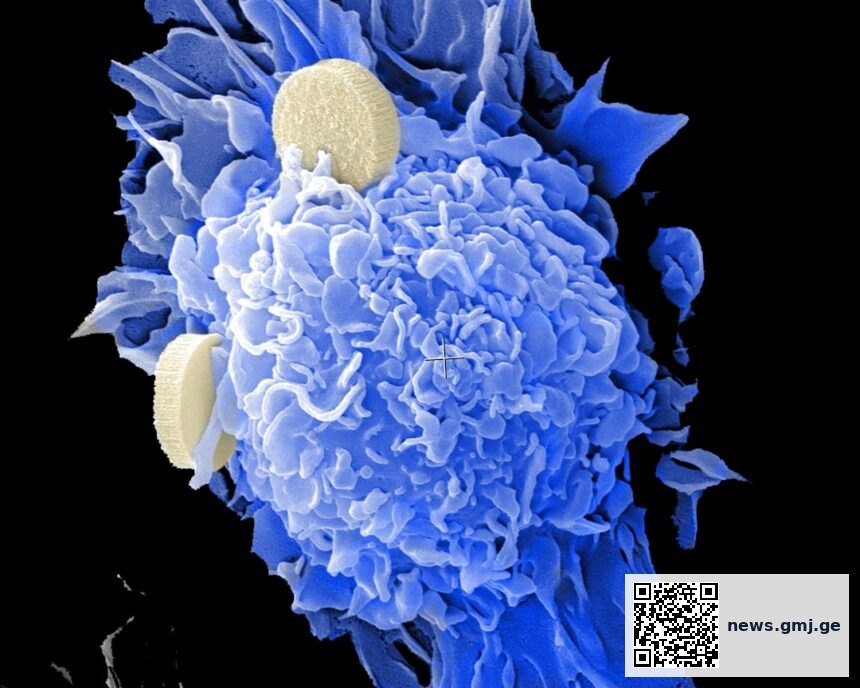
Prostate cancer risk stratification by histological grade and genetic markersIllustrative image · Photo by National Cancer Institute on Unsplash (Unsplash License)
Prostate cancer aggressiveness is determined by histological grade (Gleason score), genetic mutations (PTEN loss, TP53, BRCA2), and clinical progression patterns. Grade Groups I–V stratify risk and guide treatment intensity. — Photo by National Cancer Institute on Unsplash (Unsplash License)
SHARE
4 min read|869 words
✓ Reviewed by GMJ News Editorial Team

Prostate cancer exhibits wide clinical heterogeneity, ranging from indolent tumours that progress slowly over decades to aggressive variants that metastasize within months. The distinction between these phenotypes is determined by a combination of cellular differentiation patterns, genetic mutations, and molecular markers—not by chance or chance alone. Understanding what drives aggressiveness is essential for clinicians tailoring treatment intensity and for patients navigating prognosis and care options.

Contents
    • Key takeaways
  • How pathologists define aggressive cancer
      • Prostate cancer risk stratification by Grade Group
  • Genetic mutations underlying aggressive phenotypes
  • Clinical implications: from diagnosis to treatment strategy
    • What this means
  • Frequently asked questions
    • What is the difference between Gleason score and Grade Group?
    • Can a man have aggressive prostate cancer with a normal PSA level?
    • Are genetic mutations like BRCA2 hereditary?

Key takeaways

  • Prostate cancer aggressiveness is classified using the Gleason grading system, which stratifies tumours into five grades based on cell morphology
  • Aggressive prostate cancers harbour specific genetic alterations (PTEN loss, TP53 mutations, BRCA2 defects) that correlate with poor outcomes and treatment resistance
  • Grade Groups (I–V) used in modern clinical practice offer better prognostic accuracy than Gleason score alone and guide decisions on active surveillance versus radical therapy

How pathologists define aggressive cancer

The Gleason grading system, established in 1966 and refined in 2005, remains the gold standard for assessing prostate cancer differentiation. Pathologists examine prostate tissue under a microscope and assign grades (1–5) based on how much the cancer cells deviate from normal prostate gland architecture. A Gleason score is the sum of the two most common grades found in a tumour, ranging from 2 to 10.

Aggressive cancers typically score 8–10 (also termed “poorly differentiated” or “undifferentiated”). According to the American Cancer Society and the National Cancer Institute, higher Gleason scores strongly predict shorter time to metastasis and reduced overall survival. A tumour with a Gleason score of 9–10 may progress to metastatic disease within 3–5 years if left untreated, whereas a Gleason 6 tumour may remain clinically silent for 15+ years.

Prostate cancer risk stratification by Grade Group

Five-year biochemical recurrence-free survival rates by Grade Group classification

Submit Your Paper
GMJ_Submit_Banner
Grade Group I (Gleason ≤6)
96%
Grade Group II (Gleason 3+4)
88%
Grade Group III (Gleason 4+3)
63%
Grade Group IV (Gleason 8)
48%
Grade Group V (Gleason 9–10)

29%

Source: American Cancer Society, NCCN Clinical Practice Guidelines (2024) | Georgian Medical Journal News

Genetic mutations underlying aggressive phenotypes

Beyond histological grading, genetic alterations drive prostate cancer aggressiveness at the molecular level. Tumours with loss of the PTEN tumour suppressor gene are significantly more likely to progress to metastatic disease. According to research published in molecular oncology journals, PTEN-deficient prostate cancers activate the PI3K/AKT/mTOR pathway, promoting cell proliferation and survival even under therapeutic stress.

🎙️ Related Podcast Episodes
🎬 GMJ Video Series | Rare Case: Lung Cancer & Tuberculosis Coexistence
🎧 #41 | GMJ Podcast | Hydrochemical Stability and Radiobiology of Tskaltubo Mineral Water — Clinical and Scientific Evaluation · 17m
🎧 #39 | GMJ Podcast | Acne and Metabolic Dysfunction — Insulin Resistance, IGF-1, and Clinical Implications · 15m
🎧 #38 | GMJ Podcast | Acne and Metabolic Dysfunction — Insulin Resistance, IGF-1, and Clinical Implications · 21m
🎧 #37 | GMJ Podcast | NAD⁺ Injections and “NAD Boosters” — Public Health Risks and Regulatory Implications · 20m

Mutations in TP53 (the “guardian of the genome”) are found in approximately 50% of metastatic castration-resistant prostate cancers and only 5% of localized tumours. This stark difference indicates that TP53 loss is a driver of aggressive, hormone-resistant disease. Similarly, BRCA2 mutations—originally identified in breast cancer predisposition—confer heightened risk of aggressive prostate cancer and poor response to conventional androgen deprivation therapy.

For deeper context on cancer genomics, see our New Studies section for recent discoveries in tumour mutation profiling.

Clinical implications: from diagnosis to treatment strategy

Modern prostate cancer management stratifies patients into risk groups to guide intensity of treatment. The National Comprehensive Cancer Network (NCCN) classifies prostate cancer as very low risk, low risk, intermediate risk, high risk, and very high risk based on Gleason grade group, PSA level, and tumour stage. Aggressive cancers (Grade Groups IV–V) automatically fall into high or very high risk categories and typically warrant radical prostatectomy, external-beam radiation therapy, or multimodal approaches including systemic therapy.

Conversely, Grade Group I tumours (Gleason score ≤6) in men with long life expectancy and low PSA are candidates for active surveillance—regular monitoring without immediate surgery or radiation. This risk-stratified approach, endorsed by the National Cancer Institute, balances cancer control against overtreatment and quality-of-life considerations. For clinicians and patients seeking guidance on treatment options, refer to our Clinical Updates for the latest therapeutic advances.

50%
of metastatic castration-resistant prostate cancers harbour TP53 mutations, compared with only 5% of localized tumours, underscoring the role of genome-destabilizing mutations in aggressive progression

Aggressive prostate cancer is defined not by a single factor, but by the convergence of poor histological differentiation (Gleason 8–10), specific genetic alterations (PTEN loss, TP53 mutations, BRCA2 defects), and rapid clinical progression. Modern Grade Groups provide superior prognostic accuracy and guide individualized treatment intensity.

— Based on American Cancer Society guidelines and molecular oncology literature

What this means

For patients: If diagnosed with aggressive prostate cancer (Grade Group IV–V), expect a multidisciplinary treatment plan that may combine surgery, radiation, and systemic therapy. Genetic testing (BRCA2, PTEN status) may inform eligibility for targeted therapies or clinical trials. Discuss prognosis and treatment goals openly with your oncologist.
For clinicians: Perform comprehensive Gleason grading on all prostate biopsies and communicate Grade Group to patients clearly. Consider genomic profiling (particularly TP53, PTEN, BRCA2) in high-grade disease to stratify treatment intensity and identify candidates for novel targeted approaches or immunotherapy trials.
For policymakers: Prostate cancer screening and early detection programs must balance benefits against overdiagnosis of indolent disease. Investment in molecular pathology infrastructure and access to genomic testing ensures equitable risk stratification and personalized treatment allocation.

Frequently asked questions

What is the difference between Gleason score and Grade Group?

The Gleason score (2–10) sums the two most prevalent tumour grades under microscopy. Grade Groups (I–V), introduced in the 2014 International Society of Urological Pathology (ISUP) consensus, collapse Gleason scores into five tiers and offer superior prognostic stratification. Grade Group I (Gleason ≤6) has >95% five-year recurrence-free survival; Grade Group V (Gleason 9–10) has

Can a man have aggressive prostate cancer with a normal PSA level?

Yes, although uncommon. PSA (prostate-specific antigen) reflects tumour burden and secretory function, but high-grade cancers may produce less PSA or grow rapidly before PSA elevation occurs. This underscores why biopsy is sometimes necessary even with borderline PSA levels if clinical suspicion is high or imaging abnormalities are present.

Are genetic mutations like BRCA2 hereditary?

Yes. BRCA2 mutations are inherited in an autosomal dominant pattern; men carrying a BRCA2 mutation have a lifetime prostate cancer risk of ~40% and higher likelihood of aggressive disease. Families with a history of early-onset prostate or breast cancer should discuss genetic counselling and testing with their physicians.

As our understanding of prostate cancer biology deepens through genomic research and clinical trials, the field is moving toward increasingly personalized approaches to risk assessment and treatment selection. Men diagnosed with aggressive prostate cancer now have access to more precise prognostic tools and targeted therapies than ever before, though outcomes remain contingent on early detection and timely, evidence-based intervention. Ongoing investment in molecular pathology training and equitable access to genomic profiling will be critical to improving outcomes across all populations.

Source: Jeremy Clarkson has aggressive prostate cancer. What makes some cancers more aggressive than others?

Was this article helpful?

Disclaimer. This article is health journalism intended for general information and education. It is not medical advice and is not a substitute for professional diagnosis or treatment. Always consult a qualified healthcare provider about your individual circumstances. Full disclaimer →

Related Coverage

Whey protein triggers substantial insulin response despite low carbohydrate content, research showsAug 14, 2026
EMA Launches Email Notifications for Clinical Trial Information SystemAug 14, 2026
Australia Reports First High Pathogenicity H5N1 Case in Wild BirdAug 13, 2026
Florida's EKG Mandate for High School Athletes Faces Medical ScrutinyAug 13, 2026
Explore more on this topic:🧭 Cancer hub🧭 Prostate Cancer hub🧭 Rheumatoid Arthritis hub
🔥 Most read this week
1Creatine Kidney Damage Myth Debunked by Major Safety Review of 26,000 Participants
2Why High-Dose Vitamin B12 Supplements Work Despite Poor Absorption
3Magnesium Form May Not Matter for Cognitive Benefits, New Meta-Analysis Suggests
4How Coffee Brewing Method Affects Cholesterol: The Science Behind Diterpenes and Filters
Related reference
  • Prostate Cancer · Condition
  • Breast Cancer · Condition
PG
Editorial oversight
Prof. Giorgi Pkhakadze, MD, MPH, PhD
Editor-in-Chief, GMJ News
Full profile →  ·  ORCID 0000-0001-7609-4515
Medical disclaimer. This article is health journalism intended for general information. It is not medical advice and is not a substitute for consultation with a qualified healthcare professional. Always seek your physician's advice regarding any medical condition.
Editorial standards. This article was produced under the GMJ News editorial process, with oversight by the GMJ Editorial Board. Our editorial process. Spotted an error? Contact the editorial team.

📬 GMJ Health Digest
Evidence-based medical news, once a week. Free, no spam, unsubscribe anytime.
TAGGED:cancer geneticsGleason gradingoncologyprostate cancerTP53 mutation
Share This Article
Facebook LinkedIn Bluesky Copy Link Print
GMJ
ByGMJ Practice Desk
Follow:
GMJ Practice Desk is part of GMJ News, the newsroom of the Georgian Medical Journal (gmj.ge), published by the Public Health Institute of Georgia. Every article is editorially reviewed before publication.
Leave a Comment Leave a Comment

Leave a Reply Cancel reply

Your email address will not be published. Required fields are marked *

Submit Your Paper →

Georgia's peer-reviewed open-access medical journal. No APC until January 2027.
Submit Manuscript →
Whey protein triggers substantial insulin response despite low carbohydrate content, research shows

Whey protein consumed on an empty stomach triggers insulin secretion 90% higher…

UK childhood vaccination coverage holds steady at high levels, latest quarterly data shows

The UK's Cover of Vaccination Evaluated Rapidly (COVER) programme reports sustained high…

EMA Launches Email Notifications for Clinical Trial Information System

The European Medicines Agency has rolled out email notification subscriptions in CTIS,…

Submit Your Paper to GMJ

No APC until January 2027.
Submit Manuscript →

You Might Also Like

Map showing 33,000 settlements reached in Nigeria's May 2026 polio vaccination campaign with solar-powered diagnostic facilitiesIllustrative image · 0012 Polio Campaign - Nigeria.jpg by CDC Global / CC BY 2.0 via Wikimedia Commons (CC BY 2.0)
Clinical UpdatesGlobal HealthPolicy & SystemsPractice

Nigeria’s Polio Campaign Reaches 33,000 Settlements, Vaccinating 1.2 Million Children in May 2026

By
GMJ Practice Desk
10/08/2026
Illustration of amino acid pathways to neurotransmitter synthesis in the brainIllustrative image · Photo by DS stories on Pexels (Pexels License)
ExplainersPerspectives

How amino acids shape brain function: neurotransmitters, energy, and cognitive resilience

By
GMJ Perspectives Desk
17/07/2026
Brain-computer interface electrode array implanted in motor cortex for speech and cursor control restorationIllustrative image · Photo by Google DeepMind on Pexels (Pexels License)
Clinical UpdatesNew StudiesPracticeResearch Digest

Brain-Computer Interface Restores Speech in ALS Patient After Two Years of Home Use

By
GMJ Practice Desk
11/07/2026
Medical consultation showing doctor and patient discussing treatment optionsIllustrative image · Photo by Tima Miroshnichenko on Pexels (Pexels License)
ExplainersPerspectives

Second Medical Opinions: When and How Patients Should Seek Additional Expertise

By
GMJ Perspectives Desk
14/06/2026
Facebook Twitter Youtube Instagram
Company
  • Privacy Policy
  • Contact US
  • GMJ Journal
  • Submit Manuscript
  • Editorial Team
  • Register at GMJ
  • Terms of Use

Subscribe to GMJ News — Click here

Join Community
© 2026 Georgian Medical Journal (GMJ). Published by the Public Health Institute of Georgia (PHIG). All rights reserved.
Welcome Back!

Sign in to your account

Username or Email Address
Password

Lost your password?

Not a member? Sign Up