By using this site, you agree to the Privacy Policy and Terms of Use.
Accept
GMJ NewsGMJ NewsGMJ News
  • Latest News
    • GMJ Briefs
  • Podcast & Media
    • Podcast Episodes
    • GMJ Audio
    • GMJ Videos
  • Research Digest
    • New Studies
    • Georgian Research
    • Data & Numbers
  • Policy & Systems
    • Health Policy
    • Quality & Safety
    • Migration & Health
    • Global Health
  • Practice
    • Clinical Updates
    • Case Discussions
    • Pharmacy & Prescribing
    • Ingredients A-Z
  • Perspectives
    • Editorial
    • Explainers
    • Voices
    • Letters
  • Health Topics
  • GMJ Articles
    • Vol. 1 Issue 2 (2026)
    • Vol. 1 Issue 1 (2026)
    • Pre-Launch Articles (2025)
  • Read the Journal →
  • About GMJ News
Notification Show More
Font ResizerAa
GMJ NewsGMJ News
Font ResizerAa
  • Latest News
    • GMJ Briefs
  • Podcast & Media
    • Podcast Episodes
    • GMJ Audio
    • GMJ Videos
  • Research Digest
    • New Studies
    • Georgian Research
    • Data & Numbers
  • Policy & Systems
    • Health Policy
    • Quality & Safety
    • Migration & Health
    • Global Health
  • Practice
    • Clinical Updates
    • Case Discussions
    • Pharmacy & Prescribing
    • Ingredients A-Z
  • Perspectives
    • Editorial
    • Explainers
    • Voices
    • Letters
  • Health Topics
  • GMJ Articles
    • Vol. 1 Issue 2 (2026)
    • Vol. 1 Issue 1 (2026)
    • Pre-Launch Articles (2025)
  • Read the Journal →
  • About GMJ News
Follow US
GMJ News > Practice > Clinical Updates > How the Brain Controls Inflammation Through the Vagus Nerve
Clinical UpdatesNew StudiesPracticeResearch Digest

How the Brain Controls Inflammation Through the Vagus Nerve

GMJ
Last updated: 12/07/2026 13:29
By
GMJ Practice Desk
Share
7 Min Read
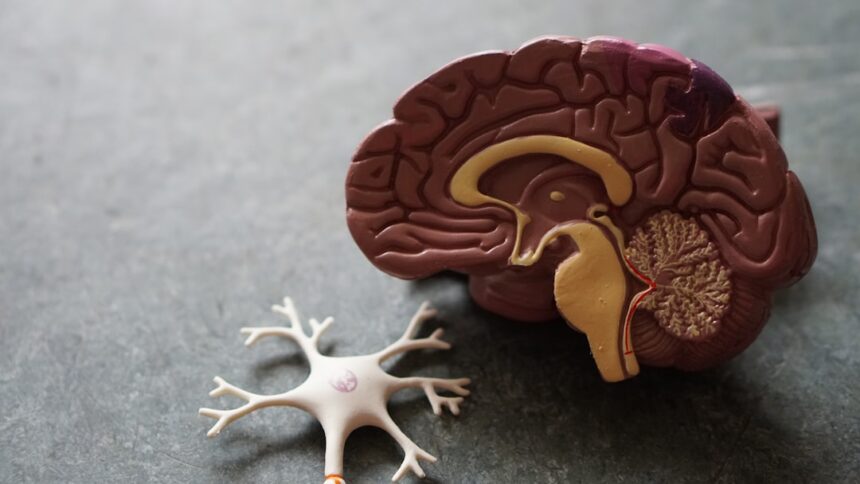
Diagram of vagus nerve inflammatory reflex: brain to spleen to immune responseIllustrative image · Photo by Robina Weermeijer on Unsplash (Unsplash License)
The vagus nerve transmits electrical signals from the brain to the immune system, reducing inflammation through acetylcholine release. Clinical trials show implanted stimulators lower TNF-α and joint pain without immunosuppressive drugs; non-invasive methods like breathing exercises activate the same pathway. — Photo by Robina Weermeijer on Unsplash (Unsplash License)
SHARE
5 min read|965 words
✓ Reviewed by GMJ News Editorial Team

🟠 Moderate Evidence

Contents
    • Key takeaways
      • The Inflammatory Reflex: Brain-to-Immune Signalling Pathway
  • The Brain-Spleen Axis: A Direct Neural Control System
  • Acetylcholine: The Immune System’s Brake Pedal
  • Non-Invasive Activation: Breathing, Meditation, and Stress Reduction
  • Implications Across Clinical and Public Health Domains
    • What this means
  • Frequently asked questions
    • Can breathing exercises really reduce inflammation?
    • Is vagus nerve stimulation surgery necessary for everyone?
    • How does this differ from standard anti-inflammatory drugs?

The brain exerts direct control over inflammation through the vagus nerve, a biological circuit that links psychological stress, immune activity, and inflammatory markers. This inflammatory reflex—a neural pathway connecting the brainstem to the spleen—demonstrates that the immune system responds not only to chemical signals but also to electrical impulses from the central nervous system, with implications for treating chronic inflammatory diseases without immunosuppressive drugs.

Key takeaways

  • The vagus nerve transmits electrical signals from the brain to the spleen, where they trigger the release of noradrenaline and acetylcholine
  • Acetylcholine reduces inflammatory cytokines like TNF-α by binding to receptors on immune cells called macrophages
  • Non-pharmacological interventions such as deep breathing and meditation activate this pathway, lowering measurable inflammatory markers including C-reactive protein (CRP) and interleukin-6 (IL-6)
  • Implanted vagus nerve stimulators in rheumatoid arthritis patients lowered TNF-α levels and improved joint pain without conventional immunosuppressive medications
Minutes
Time required for vagus nerve stimulation to increase noradrenaline levels in the spleen, demonstrating the speed of neural immune regulation

The Inflammatory Reflex: Brain-to-Immune Signalling Pathway

How the vagus nerve regulates inflammation through neural and chemical messengers

1
Brain signal via vagus nerve
2
Splenic nerve releases noradrenaline
3
Acetylcholine dampens TNF-α

Source: Inflammatory reflex neural circuit | Georgian Medical Journal News

Submit Your Paper
GMJ_Submit_Banner

The Brain-Spleen Axis: A Direct Neural Control System

The vagus nerve, the body’s longest cranial nerve, transmits electrical impulses directly from the brainstem to the spleen—the body’s primary blood-filtering and immune-coordinating organ. According to research on the inflammatory reflex mechanism, when this nerve is stimulated, it initiates a cascade that ultimately reduces circulating inflammatory markers. This discovery reframes inflammation as not merely a chemical process but also an electrical one, subject to direct neural regulation. Researchers have documented that animal models show measurable changes in immune activity within minutes of vagus nerve activation, indicating the extraordinary speed at which the nervous system communicates with immune cells.

Acetylcholine: The Immune System’s Brake Pedal

The final step in the inflammatory reflex involves acetylcholine, a neurotransmitter released by immune T cells in the spleen when the vagus nerve is activated. This molecule binds to specific receptors on macrophages—immune cells that generate pro-inflammatory cytokines—causing them to reduce production of tumor necrosis factor-α (TNF-α), a key driver of chronic inflammation. Clinical evidence from patients with rheumatoid arthritis receiving implanted vagus nerve stimulators shows that electrical stimulation of this pathway lowered TNF-α levels and improved joint pain without requiring conventional immunosuppressive drugs. This therapeutic approach demonstrates the clinical potential of harnessing the brain’s natural anti-inflammatory capacity.

Non-Invasive Activation: Breathing, Meditation, and Stress Reduction

Beyond surgical implants, non-pharmacological techniques can activate the inflammatory reflex without medical devices. Deep breathing exercises and meditation practices are documented to activate the vagus nerve, resulting in measurable reductions in circulating inflammatory markers such as C-reactive protein (CRP) and interleukin-6 (IL-6). These findings suggest that psychological interventions targeting stress reduction may directly modulate immune function through neural pathways. The mechanistic link between mind-based interventions and immune suppression of inflammation has profound implications for integrating behavioural medicine into treatment protocols for chronic inflammatory diseases, particularly those where immunosuppressive therapy carries significant toxicity or side effects.

Implications Across Clinical and Public Health Domains

Understanding the inflammatory reflex opens new therapeutic windows for treating chronic conditions without relying solely on pharmaceutical immunosuppression. The pathway demonstrates that immune tolerance and inflammatory regulation are not automatic biological processes but actively maintained neural circuits subject to modulation through both invasive (implanted stimulators) and non-invasive (behavioural) interventions. This framework aligns with emerging paradigms in clinical neuroscience that emphasize the bidirectional communication between the central nervous system and peripheral immune organs.

Implanted vagus nerve stimulators in rheumatoid arthritis patients reduced TNF-α levels and improved joint pain without conventional immunosuppressive medications, demonstrating the therapeutic potential of neural immune regulation.

— Inflammatory reflex research, clinical rheumatology trials

What this means

For patients: Stress-reduction techniques such as deep breathing, meditation, and mindfulness may actively reduce inflammatory markers without medication side effects; patients with chronic inflammatory diseases should discuss vagus nerve stimulation with specialists if conventional therapies prove inadequate or toxic.
For clinicians: The inflammatory reflex provides a mechanistic rationale for integrating behavioural interventions (stress reduction, breathing exercises) into treatment algorithms for rheumatoid arthritis, inflammatory bowel disease, and other TNF-α-driven conditions; vagus nerve stimulation devices represent a non-pharmacological alternative for patients requiring additional immune modulation.
For policymakers: Health systems should fund research into non-invasive vagal stimulation techniques and integrate mindfulness-based stress reduction into public health protocols for chronic disease prevention and management, reducing long-term immunosuppressive drug burden and healthcare costs.

Frequently asked questions

Can breathing exercises really reduce inflammation?

Yes. Controlled breathing activates the vagus nerve, triggering acetylcholine release and measurable reductions in CRP and IL-6. These are not placebo effects but measurable systemic changes in circulating inflammatory markers.

Is vagus nerve stimulation surgery necessary for everyone?

No. Surgical implants are reserved for patients with severe, treatment-resistant inflammatory disease. Most individuals can activate this pathway through non-invasive methods: deep breathing, meditation, cold-water exposure, and regular physical activity all stimulate the vagus nerve without medical intervention.

How does this differ from standard anti-inflammatory drugs?

Pharmaceutical immunosuppressants block inflammatory pathways broadly and carry significant side effects; vagal anti-inflammatory mechanisms are self-regulating, reversible, and the body naturally maintains the circuit. This allows for dose-dependent, physiologic control rather than blanket immune suppression.

The inflammatory reflex represents a paradigm shift in how clinicians and researchers understand immune regulation—not as a one-directional chemical process, but as an active dialogue between brain and immune system. As understanding of this pathway deepens, treatment strategies will increasingly leverage both invasive and non-invasive modalities to restore physiologic immune balance, potentially transforming management of chronic inflammatory diseases across all medical specialties.

Source: Inflammatory reflex: Neural circuits regulating immunity, referenced at Nature Reviews Endocrinology (2012, DOI: 10.1038/nrendo.2012.189)

Was this article helpful?

Disclaimer. This article is health journalism intended for general information and education. It is not medical advice and is not a substitute for professional diagnosis or treatment. Always consult a qualified healthcare provider about your individual circumstances. Full disclaimer →

Related Coverage

Magnesium Supplementation Reduces Blood Pressure: Meta-Analysis Shows Modest but Measurable BenefitsAug 16, 2026
How Muscle Contractions Signal the Brain: The Myokine Pathway ExplainedAug 16, 2026
How Your Body Makes and Uses Creatine: The Complete Energy System ExplainedAug 16, 2026
How Vitamin D Becomes an Antimicrobial Weapon Inside Your Immune CellsAug 15, 2026
Explore more on this topic:🧭 HIV/AIDS hub🧭 Musculoskeletal Health hub🧭 Rheumatoid Arthritis hub
🔥 Most read this week
1Medicare’s AI Prior Authorization System Creates Patient Care Delays, Doctors Report
2Creatine Kidney Damage Myth Debunked by Major Safety Review of 26,000 Participants
3How Coffee and Tea Reduce Iron Absorption: A Mechanism Explained
4How Coffee Brewing Method Affects Cholesterol: The Science Behind Diterpenes and Filters
Related reference
  • Inflammatory Bowel Disease · Condition
  • Rheumatoid Arthritis · Condition
  • Choline · Ingredient
PG
Editorial oversight
Prof. Giorgi Pkhakadze, MD, MPH, PhD
Editor-in-Chief, GMJ News
Full profile →  ·  ORCID 0000-0001-7609-4515
Medical disclaimer. This article is health journalism intended for general information. It is not medical advice and is not a substitute for consultation with a qualified healthcare professional. Always seek your physician's advice regarding any medical condition.
Editorial standards. This article was produced under the GMJ News editorial process, with oversight by the GMJ Editorial Board. Our editorial process. Spotted an error? Contact the editorial team.

📬 GMJ Health Digest
Evidence-based medical news, once a week. Free, no spam, unsubscribe anytime.
TAGGED:acetylcholineimmune systeminflammationneural immunityrheumatoid arthritisstress reductionTNF-alphavagus nerve
Share This Article
Facebook LinkedIn Bluesky Copy Link Print
GMJ
ByGMJ Practice Desk
Follow:
GMJ Practice Desk is part of GMJ News, the newsroom of the Georgian Medical Journal (gmj.ge), published by the Public Health Institute of Georgia. Every article is editorially reviewed before publication.
Leave a Comment Leave a Comment

Leave a Reply Cancel reply

Your email address will not be published. Required fields are marked *

Submit Your Paper →

Georgia's peer-reviewed open-access medical journal. No APC until January 2027.
Submit Manuscript →
How testosterone is really made: the brain–gonad feedback loop explained

Testosterone production is regulated by a precise feedback loop between the brain…

Magnesium Supplementation Reduces Blood Pressure: Meta-Analysis Shows Modest but Measurable Benefits

A 2024 umbrella meta-analysis shows that magnesium supplementation at doses of 400…

L-Theanine: How an amino acid shifts brain waves toward calm focus without drowsiness

L-theanine, a naturally occurring amino acid in green tea, shifts brain electrical…

Submit Your Paper to GMJ

No APC until January 2027.
Submit Manuscript →

You Might Also Like

Medical illustration showing lung cancer risk comparison between e-cigarette use and complete smoking cessationIllustrative image · Photo by Usman Yousaf on Unsplash (Unsplash License)
Clinical UpdatesNew StudiesPracticeResearch Digest

E-cigarette Use After Quitting Smoking Linked to Higher Lung Cancer Risk

By
GMJ Practice Desk
24/06/2026
Microscopic illustration of T cell engaging with cancer cell through bispecific antibody mechanism
Clinical UpdatesNew StudiesPracticeResearch Digest

MAGE-A4/MAGE-A8-Targeted Bispecific T Cell Engager Shows Promise in Refractory Solid Tumors

By
GMJ Practice Desk
08/06/2026
Healthcare cost savings chart showing chlamydia vaccination economic benefitsIllustrative image · Photo by Nataliya Vaitkevich on Pexels (Pexels License)
New StudiesResearch Digest

Chlamydia Vaccination Could Save $1.8 Billion Annually in US Healthcare Costs

By
GMJ Research Desk
21/06/2026
Pharmacy shelves with melatonin supplements showing variable packaging and dosages, illustrating lack of regulatory standardisationIllustrative image · Photo by Supliful - Supplements On Demand on Unsplash (Unsplash License)
Pharmacy & PrescribingPolicy & SystemsPracticeQuality & Safety

Melatonin’s safety paradox: effective sleep aid undermined by unregulated product quality

By
GMJ Practice Desk
08/08/2026
Facebook Twitter Youtube Instagram
Company
  • Privacy Policy
  • Contact US
  • GMJ Journal
  • Submit Manuscript
  • Editorial Team
  • Register at GMJ
  • Terms of Use

Subscribe to GMJ News — Click here

Join Community
© 2026 Georgian Medical Journal (GMJ). Published by the Public Health Institute of Georgia (PHIG). All rights reserved.
Welcome Back!

Sign in to your account

Username or Email Address
Password

Lost your password?

Not a member? Sign Up