🟡 Policy Alert
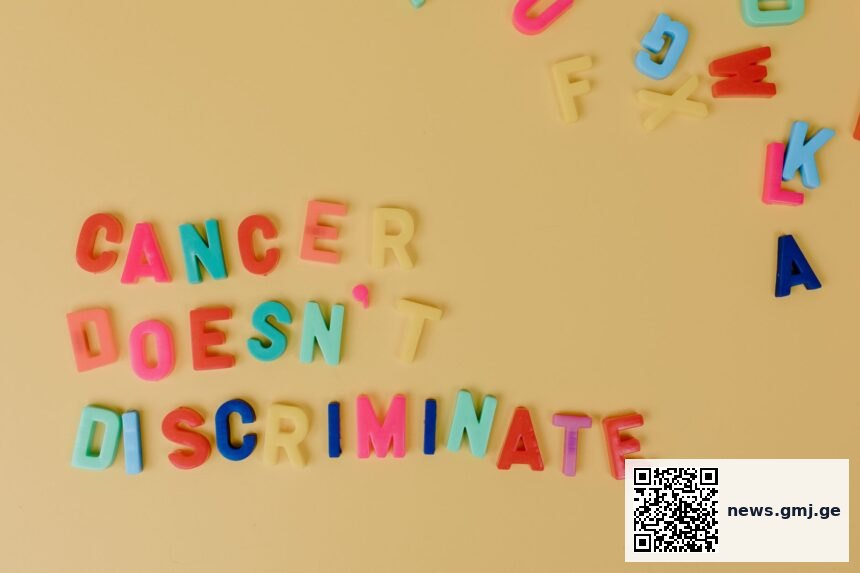
The World Health Organization (WHO) has warned that global cancer incidence could reach approximately 35 million new cases annually by 2050—nearly double current rates—unless countries implement comprehensive prevention, early detection, and treatment strategies. The alert, issued in July 2026, underscores a critical gap between rising disease burden and insufficient public health infrastructure in most countries.
Key takeaways
- WHO projects cancer cases could rise to ~35 million annually by 2050, up from current estimates of ~20 million per year
- Prevention, early diagnosis, and treatment gaps are the primary drivers of this projected increase
- Low- and middle-income countries will bear the largest burden, with limited healthcare capacity to respond
- Urgent action on tobacco, alcohol, obesity, and infectious disease control is essential to mitigate future caseloads
Cancer Burden: Current vs. Projected 2050
Estimated annual new cancer cases globally (millions), based on WHO epidemiological modelling
Source: World Health Organization, 2026 | Georgian Medical Journal News

The scale of the projected crisis
The WHO’s projection reflects a convergence of demographic and epidemiological trends. According to WHO’s latest global health estimates, the majority of this increase will occur in low- and middle-income countries, where healthcare systems already struggle with limited diagnostic capacity, inadequate oncology services, and competing disease burdens. The organization emphasized that without intervention, health inequities will deepen substantially, with wealthier nations better positioned to manage rising caseloads.
Aging populations, urbanization, and increasing adoption of cancer risk factors—particularly tobacco use, alcohol consumption, and obesity—are primary contributors to the projected surge. WHO’s cancer control programme notes that roughly one-third of cancers are preventable through lifestyle and environmental modifications, yet many countries lack effective public health campaigns or regulatory frameworks to address these modifiable risks.
Prevention gaps and healthcare capacity shortfalls
According to WHO, fewer than half of low-income countries have established national cancer control plans, and even fewer have dedicated funding or workforce. Early diagnosis programmes—which dramatically improve survival and reduce treatment costs—remain unavailable to most populations in sub-Saharan Africa, South Asia, and the Pacific. The organization warns that without urgent investment in screening infrastructure, diagnosis will occur at advanced disease stages where treatment is more toxic, costly, and less effective.
This represents a particular challenge for global health equity, as countries with the fewest resources face the steepest rise in cancer burden. WHO argues that addressing this requires coordinated action across tobacco control, vaccination (particularly against human papillomavirus and hepatitis B), dietary interventions, and occupational health protections.
What action is needed now
WHO has called for urgent strengthening of four core pillars: prevention (tobacco and alcohol regulation, vaccination, obesity prevention), early detection (population screening programmes and awareness), diagnosis (pathology capacity, imaging infrastructure), and treatment (access to chemotherapy, radiotherapy, and surgery). The organization’s 2026 World Health Statistics report found that only 55% of WHO member states have fully implemented tobacco control measures, and fewer than 40% have effective alcohol regulation frameworks.
The projected 35 million annual cases by 2050 is not inevitable. WHO’s noncommunicable disease team emphasizes that aggressive prevention and early diagnosis programmes implemented now could prevent 40-50% of these cases. This requires sustained political commitment, equitable funding allocation, and integration of cancer control into universal health coverage frameworks—particularly in underserved and low-resource settings.
Without urgent action on prevention, early diagnosis, and treatment, the number of new cancer cases worldwide could rise to approximately 35 million annually by 2050, nearly doubling current incidence.
— World Health Organization, July 2026
What this means
Frequently asked questions
Why is cancer incidence projected to increase so dramatically?
Multiple factors converge: aging populations (cancer incidence rises sharply with age), urbanization and adoption of Western lifestyle risk factors (tobacco, alcohol, obesity), increasing rates of infectious disease-related cancers (human papillomavirus, hepatitis B) in developing countries, and improved survival from other diseases allowing cancer to emerge as a major cause of death. Without prevention interventions, these trends will drive case numbers upward.
Which regions will be most affected by this increase?
Low- and middle-income countries in Africa, South and Southeast Asia, and the Pacific will experience the highest relative increases, while also having the lowest healthcare capacity to respond. High-income countries, though facing absolute increases, have established cancer infrastructure and will maintain better survival outcomes. This widens global health inequities.
What percentage of projected cancers could be prevented through current interventions?
According to WHO, approximately one-third to one-half of cancers are preventable through modifiable risk factor reduction (tobacco cessation, alcohol reduction, weight management, vaccination, occupational hazard control, and reduced ultraviolet exposure). Early detection of cervical, colorectal, and breast cancers can also substantially reduce mortality, though requires healthcare infrastructure investment.
The WHO’s 2026 cancer projection serves as a critical policy inflection point. Governments and international donors now face a choice: invest substantially in prevention and early detection infrastructure now, or absorb dramatically higher treatment costs and mortality in the coming decades. The evidence is clear—action delayed is opportunity lost, and the human cost of inaction will be measured in millions of preventable deaths.
Source: WHO warns cancer cases could nearly double by 2050 without urgent action — UN News
Was this article helpful?
Disclaimer. This article is health journalism intended for general information and education. It is not medical advice and is not a substitute for professional diagnosis or treatment. Always consult a qualified healthcare provider about your individual circumstances. Full disclaimer →
Related Coverage


Editorial standards. This article was produced under the GMJ News editorial process, with oversight by the GMJ Editorial Board. Our editorial process. Spotted an error? Contact the editorial team.