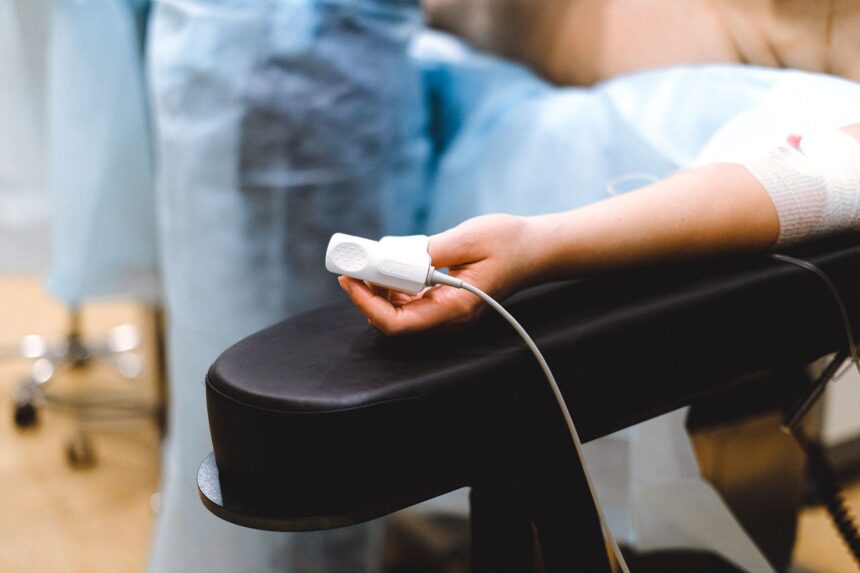
Endometriosis patient advocacy groups are calling for urgent action to reduce diagnostic delays, citing the availability of two new non-invasive tests that could be deployed in primary care settings. According to BBC News reporting on endometriosis diagnostic pathways, these screening tools represent a significant shift toward earlier detection without requiring invasive surgical confirmation.
Key takeaways
- Two new non-invasive tests are now available for general practitioners to screen for endometriosis
- Patient advocacy groups report prolonged diagnostic delays as a critical barrier to treatment access
- Early detection through primary care screening could reduce the burden of advanced-stage disease diagnosis
- Implementation in general practice could shift endometriosis management from specialist-dependent to accessible frontline care
Barriers to Endometriosis Diagnosis: Patient Experience
Reported diagnostic challenges as cited in endometriosis advocacy calls for healthcare reform
Source: Endometriosis patient advocacy reporting | BBC News | GMJ News
The Diagnosis Crisis in Endometriosis Care
Endometriosis, a chronic condition affecting the reproductive system, has long been characterised by diagnostic delays that extend years from symptom onset to confirmed diagnosis. Patient advocacy groups are now calling out what they describe as unacceptable delays in diagnosis, with the emergence of two new non-invasive screening tests offering a potential pathway to expedited detection in primary care.

The diagnostic bottleneck has historically required specialist referral and, in many cases, surgical confirmation via laparoscopy to establish a definitive diagnosis. This model leaves patients in diagnostic limbo during the interval between symptom presentation and specialist assessment, delaying access to medical management options.
Two Non-Invasive Tests: What Changes in Primary Care
The two newly available non-invasive tests represent a paradigm shift toward accessible, frontline screening. These tools, deployable by general practitioners without requiring specialist infrastructure, could theoretically reduce the time from symptom recognition to diagnosis by enabling earlier screening within the primary care pathway.
According to the BBC’s reporting on the new diagnostic options, these tests offer general practitioners a validated, non-surgical method to assess for endometriosis. The clinical implication is that GPs could identify patients requiring specialist evaluation more rapidly, streamlining onward referral pathways.
Two new non-invasive tests are now available for deployment in general practice, directly addressing endometriosis patient groups’ calls to accelerate diagnostic timelines and reduce the burden of delayed diagnosis.
— Endometriosis patient advocacy groups, as reported by BBC News
Implementation Challenges and Next Steps
While the availability of these tests is significant, their translation into clinical practice requires coordinated implementation across primary care networks. Patient advocacy groups emphasise that awareness, training, and integration into primary care protocols remain critical next steps to realise the potential of faster diagnosis.
Healthcare systems must consider how to disseminate knowledge of these tests to GPs, establish protocols for appropriate referral following positive screening, and ensure that diagnostic pathways are equipped to manage an anticipated increase in identified cases. Without coordinated implementation, even validated tests risk remaining underutilised in clinical practice.
What this means
Frequently asked questions
What are the two new non-invasive tests for endometriosis?
According to BBC reporting on endometriosis diagnostics, two new non-invasive tests are now available for general practitioners to screen for endometriosis in primary care settings. These replace or supplement the historical reliance on specialist imaging and surgical confirmation via laparoscopy.
Why do endometriosis patient groups emphasise faster diagnosis?
Diagnostic delay in endometriosis is associated with prolonged suffering, delayed treatment initiation, and preventable progression of disease. Patient advocacy groups argue that years-long diagnostic delays represent a failure of early healthcare recognition and underscore the urgent need for accessible frontline screening tools.
How will GPs use these tests in routine practice?
The tests are designed to be deployable in primary care without requiring specialist imaging infrastructure. GPs can use them to screen symptomatic patients, stratify risk, and refer appropriately to specialists for confirmation and treatment planning, streamlining the diagnostic pathway.
The availability of two non-invasive tests for endometriosis diagnosis represents a significant opportunity to address a long-standing healthcare access gap. However, translating these tools from availability to widespread clinical use requires coordinated implementation, GP education, and integration into primary care protocols. Health systems that successfully embed these tests into routine practice may achieve meaningful reductions in diagnostic delay—a priority that endometriosis advocacy groups have long emphasised as essential to improving patient outcomes. Read more on clinical updates and diagnostic innovations in primary care on GMJ News.
Source: Endometriosis groups ‘crying out’ for cut in diagnosis time
Was this article helpful?
Disclaimer. This article is health journalism intended for general information and education. It is not medical advice and is not a substitute for professional diagnosis or treatment. Always consult a qualified healthcare provider about your individual circumstances. Full disclaimer →
Related Coverage




Editorial standards. This article was produced under the GMJ News editorial process, with oversight by the GMJ Editorial Board. Our editorial process. Spotted an error? Contact the editorial team.