By using this site, you agree to the Privacy Policy and Terms of Use.
Accept
GMJ NewsGMJ NewsGMJ News
  • Latest News
    • GMJ Briefs
  • Podcast & Media
    • Podcast Episodes
    • GMJ Audio
    • GMJ Videos
  • Research Digest
    • New Studies
    • Georgian Research
    • Data & Numbers
  • Policy & Systems
    • Health Policy
    • Quality & Safety
    • Migration & Health
    • Global Health
  • Practice
    • Clinical Updates
    • Case Discussions
    • Pharmacy & Prescribing
    • Ingredients A-Z
  • Perspectives
    • Editorial
    • Explainers
    • Voices
    • Letters
  • GMJ Articles
    • Vol. 1 Issue 2 (2026)
    • Vol. 1 Issue 1 (2026)
    • Pre-Launch Articles (2025)
  • Read the Journal →
  • About GMJ News
Notification Show More
Font ResizerAa
GMJ NewsGMJ News
Font ResizerAa
  • Latest News
    • GMJ Briefs
  • Podcast & Media
    • Podcast Episodes
    • GMJ Audio
    • GMJ Videos
  • Research Digest
    • New Studies
    • Georgian Research
    • Data & Numbers
  • Policy & Systems
    • Health Policy
    • Quality & Safety
    • Migration & Health
    • Global Health
  • Practice
    • Clinical Updates
    • Case Discussions
    • Pharmacy & Prescribing
    • Ingredients A-Z
  • Perspectives
    • Editorial
    • Explainers
    • Voices
    • Letters
  • GMJ Articles
    • Vol. 1 Issue 2 (2026)
    • Vol. 1 Issue 1 (2026)
    • Pre-Launch Articles (2025)
  • Read the Journal →
  • About GMJ News
Follow US
GMJ News > Perspectives > Explainers > The Chemical Language of the Brain: How Neurotransmitter Balance Shapes Mental Health
Explainers

The Chemical Language of the Brain: How Neurotransmitter Balance Shapes Mental Health

GMJ
Last updated: 25/05/2026 17:36
By
GMJ Perspectives Desk
Share
7 Min Read
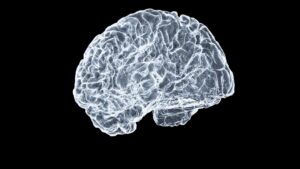
Diagram showing neurotransmitter chemical signaling between brain cells
New research reveals how 12 major neurotransmitters control mood, cognition, and behavior through chemical brain signaling. Understanding this chemical language may prevent mental health issues before structural changes occur. — Photo: Mikhail Nilov / Pexels
SHARE
🎧 Listen to this article4:36 min · 645 words · GMJ Audio

Updated 25/05/2026

Contents
      • Key neurotransmitters and their primary functions
  • The Chemical Basis of Mood and Cognition
  • Excitation and Inhibition: The Brain’s Control System
  • Sleep, Pain, and Recovery Mechanisms
  • Early Warning Signs of Chemical Imbalance
    • Key takeaways
  • Frequently asked questions
    • What causes neurotransmitter imbalances?
    • Can neurotransmitter levels be tested?
    • How quickly can neurotransmitter balance improve?
3 min read|645 words

Brain function extends far beyond electrical impulses, operating as a complex chemical communication network where neurotransmitter balance determines everything from mood stability to cognitive performance. While structural brain changes often receive attention in mental health discussions, functional symptoms may appear before visible disease develops.

12 major types
of neurotransmitters regulate human brain function and behavior

Key neurotransmitters and their primary functions

Chemical messengers that control mood, cognition, and behavior

4
mood-regulating
transmitters
5
cognitive
enhancers
3
stress response
chemicals

Source: Original Facebook Research Post

Submit Your Paper
GMJ_Submit_Banner

The Chemical Basis of Mood and Cognition

Four primary neurotransmitters form the foundation of emotional regulation and mental clarity. Serotonin controls mood stability, appetite, and sleep cycles, while dopamine drives motivation and reward-seeking behaviors essential for goal achievement.

Acetylcholine supports memory formation and learning processes, with deficiencies linked to attention disorders and cognitive decline. Meanwhile, norepinephrine maintains alertness and coordinates the body’s stress response.

🎙️ Related Podcast Episodes
🎧 #53 | GMJ Podcast | Palliative Care in Georgia — Health System Gaps, Access Barriers, and Policy Implications · 16m
🎬 The Architecture of Migration Health: Inside the GMJ Knowledge Hub | Georgian Medical Journal
🎧 #52 | GMJ Podcast | Health and Migration Knowledge Hub — A Global Resource for Evidence-Based Practice · 17m
🎧 #25 | WHO Warns: Childhood Hearing Loss Must Be Addressed Early · 19m
🎧 #48 | GMJ Podcast | Launching the Georgian Medical Journal — Transparency, Editorial Standards, and Open-Access Vision · 17m

The balance between these chemicals determines daily mental performance. Even minor disruptions can affect concentration, decision-making, and emotional stability before any structural brain changes become apparent.

Excitation and Inhibition: The Brain’s Control System

The nervous system maintains equilibrium through opposing chemical forces. Glutamate serves as the primary excitatory neurotransmitter, essential for learning and memory formation, while GABA provides inhibitory signals that reduce neural excitability and promote calm.

This delicate balance prevents both understimulation and overexcitation. When GABA function decreases, anxiety and sleep disturbances often follow.

Glycine adds another layer of motor control and nervous system regulation, working alongside GABA to prevent excessive neural firing. Supporting these inhibitory pathways can improve stress resilience and sleep quality.

Sleep, Pain, and Recovery Mechanisms

Several neurotransmitters specifically govern sleep cycles and pain perception. Histamine promotes wakefulness and immune signaling, while adenosine builds sleep pressure throughout the day and supports neural recovery during rest.

Endorphins provide natural pain relief and reward sensations, often called the body’s own morphine. Substance P transmits pain signals and coordinates inflammatory responses.

Epinephrine activates fight-or-flight responses during acute stress, temporarily overriding other systems. Understanding these mechanisms helps explain why caffeine blocks adenosine receptors to maintain alertness, and why chronic stress disrupts both sleep and pain sensitivity.

Early Warning Signs of Chemical Imbalance

Functional symptoms often emerge before structural brain disease becomes detectable through imaging. Mood instability, cognitive fog, sleep disruptions, and motivation changes may signal neurotransmitter dysregulation years before anatomical changes occur.

Addressing chemical imbalances early through lifestyle interventions, targeted nutrition, and when appropriate, medication, may help prevent progression to more serious neurological conditions.

Maintaining neurotransmitter balance through regular sleep, exercise, and stress management supports long-term brain health and mental resilience across the lifespan.

Brain function operates as chemical communication in constant balance, with neurotransmitter signaling supporting mood stability, cognitive performance, and stress resilience when well-regulated.

— Original Facebook Research Post

Key takeaways

  • Twelve major neurotransmitters control mood, cognition, sleep, and behavior through chemical signaling
  • Functional symptoms of imbalance often appear before structural brain changes become visible
  • Maintaining chemical balance through lifestyle supports long-term neurological health and mental performance

Frequently asked questions

What causes neurotransmitter imbalances?

Chronic stress, poor sleep, inadequate nutrition, and lack of exercise can disrupt chemical signaling. Genetic factors and certain medications may also affect neurotransmitter production and function.

Can neurotransmitter levels be tested?

Direct brain neurotransmitter measurement requires specialized procedures rarely used clinically. Most assessments rely on symptom patterns, though some metabolite tests may provide indirect information about neurotransmitter activity.

How quickly can neurotransmitter balance improve?

Some changes in chemical signaling can occur within days of lifestyle modifications, though significant improvements typically require weeks to months of consistent interventions targeting sleep, exercise, and stress management.

Understanding neurotransmitters as the brain’s chemical language opens new possibilities for maintaining mental health and cognitive performance throughout life. As research continues to reveal the intricate connections between chemical balance and daily function, early intervention strategies focused on supporting natural neurotransmitter regulation may prove crucial for preventing neurological decline and optimizing human potential.

Source: Your thoughts, mood, energy, motivation, sleep, and focus all depend on chemical signals moving between brain cells

Was this article helpful?

Disclaimer. This article is health journalism intended for general information and education. It is not medical advice and is not a substitute for professional diagnosis or treatment. Always consult a qualified healthcare provider about your individual circumstances. Full disclaimer →

Related Coverage

Plant-Based Diet Quality More Important Than Processing Level for Chronic Disease PreventionJul 2, 2026
Cosmeticorexia: How Social Media Drives Children's Obsessive Skincare BehaviourJun 17, 2026
Celebrity Mental Health: Boyzone's Ronan Keating Reveals Psychological Impact of FameJun 16, 2026
Trump's Perfect Cognitive Test Score: What Montreal Cognitive Assessment Really MeasuresJun 15, 2026
Related reference
  • Morphine · Drug
  • Choline · Ingredient
  • Glycine · Ingredient
  • GABA · Ingredient
PG
Written by
Prof. Giorgi Pkhakadze, MD, MPH, PhD
Editor-in-Chief, GMJ News
Full profile →  ·  ORCID 0000-0001-7609-4515
Medical disclaimer. This article is health journalism intended for general information. It is not medical advice and is not a substitute for consultation with a qualified healthcare professional. Always seek your physician's advice regarding any medical condition.
Medically reviewed by Prof. Giorgi Pkhakadze, MD, MPH, PhD. Spotted an error? Contact the editorial team.

Get the GMJ News digest
Evidence-based health journalism in your inbox. No spam; unsubscribe anytime.
TAGGED:brain chemistrydopamineMental Healthneurotransmittersserotonin
Share This Article
Facebook LinkedIn Bluesky Copy Link Print
GMJ
ByGMJ Perspectives Desk
Follow:
GMJ Perspectives Desk is part of GMJ News, the newsroom of the Georgian Medical Journal (gmj.ge), published by the Public Health Institute of Georgia. Every article is editorially reviewed before publication.
Leave a Comment Leave a Comment

Leave a Reply Cancel reply

Your email address will not be published. Required fields are marked *

Submit Your Paper →

Georgia's peer-reviewed open-access medical journal. No APC until January 2027.
Submit Manuscript →
Global Ministers Rally Behind Animal Health Funding as WOAH Warns of Critical Investment Gap

Ministers from 45 countries unite behind urgent initiative to address $29.4 billion…

Eight Former CDC Directors Warn Against Dismantling PEPFAR Program

Eight former CDC directors warn against State Department plans to restructure PEPFAR,…

AI Drug Development Faces Reality Check as BigHat CEO Debunks Industry Hype

BigHat Biosciences CEO warns that misconceptions about AI capabilities threaten genuine progress…

Submit Your Paper to GMJ

No APC until January 2027.
Submit Manuscript →

You Might Also Like

Brain neurotransmitter diagram showing chemical signaling pathways
New StudiesResearch Digest

How Brain Neurotransmitters Control Your Mood, Sleep, and Focus

By
GMJ Research Desk
24/05/2026
Medical professional reviewing medication dosing guidelines and genetic testing resultsBi-lingual Clinical Trial Consultation (45067326622).jpg by NIAID / CC BY 2.0 via Wikimedia Commons (CC BY 2.0)
Clinical UpdatesExplainersHealth PolicyPerspectivesPolicy & SystemsPractice

Medical Dosing Based on Race Lacks Scientific Evidence and May Harm Patients, NEJM Analysis Warns

By
GMJ Practice Desk
13/06/2026
Healthcare workers providing mental health support after climate disaster
New StudiesResearch Digest

Mental health interventions show promise for extreme weather trauma recovery

By
GMJ Research Desk
29/05/2026
Dawn French discussing loneliness issues on BBC Radio 4 Woman's Hour
ExplainersPerspectives

Dawn French Highlights Loneliness Crisis Among Older Women in New BBC Discussion

By
GMJ Perspectives Desk
24/05/2026
Facebook Twitter Youtube Instagram
Company
  • Privacy Policy
  • Contact US
  • GMJ Journal
  • Submit Manuscript
  • Editorial Team
  • Register at GMJ
  • Terms of Use

Subscribe to GMJ News — Click here

Join Community
© 2026 Georgian Medical Journal (GMJ). Published by the Public Health Institute of Georgia (PHIG). All rights reserved.
Welcome Back!

Sign in to your account

Username or Email Address
Password

Lost your password?

Not a member? Sign Up