Updated 14/09/2026
Making children laugh builds deep emotional connections and soothes their nervous systems, making them more resilient and open to new ideas, according to Dr. Jacqueline Harding, director of Tomorrow’s Child and early childhood expert at Middlesex University.
Benefits of Laughter on Child Development
Key areas improved through laughter therapy interventions according to Middlesex University research
Source: Dr. Jacqueline Harding, Middlesex University Research | Georgian Medical Journal News

Neurological Mechanisms Behind Laughter’s Impact
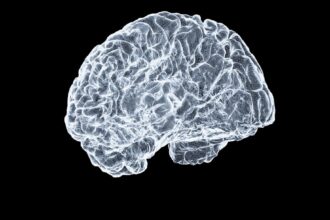
Dr. Harding’s research demonstrates that laughter triggers specific neurological pathways that enhance brain plasticity and emotional regulation. The research, conducted at Middlesex University, shows how humor-based interventions activate the parasympathetic nervous system, creating optimal conditions for learning and development.
The findings align with broader research on clinical approaches to child development that emphasize the importance of positive emotional experiences in building neural pathways. According to Dr. Harding’s research, children who experience regular laughter show improved stress response patterns and enhanced cognitive flexibility.
Clinical Applications in Child Development
Dr. Harding’s research has significant implications for therapeutic approaches to childhood trauma and developmental challenges. Healthcare providers working with child health are increasingly recognizing laughter therapy as a valuable complement to traditional interventions.
Dr. Harding’s work at Tomorrow’s Child focuses on practical applications of these findings in clinical settings. Her research suggests that incorporating humor and playful interactions into therapeutic protocols can accelerate healing and improve treatment outcomes for children facing emotional or developmental challenges.
Evidence-Based Benefits for Brain Development
Dr. Harding’s study reveals that laughter produces measurable changes in brain chemistry, including increased production of endorphins and reduced cortisol levels. These physiological changes create an optimal environment for neural development and learning retention.
The National Institutes of Health has published research showing that positive emotional experiences during childhood contribute to lifelong resilience and mental health outcomes. The Middlesex University research extends this understanding by demonstrating specific mechanisms through which laughter influences brain development.
Children who experience regular laughter show improved stress response patterns and enhanced cognitive flexibility compared to control groups
— Dr. Jacqueline Harding, Director of Tomorrow’s Child, Middlesex University
Key takeaways
- Laughter activates parasympathetic nervous system pathways that enhance brain plasticity, according to Dr. Harding’s research
- Regular humor-based interventions improve emotional resilience and stress response in children, per Middlesex University findings
- Clinical applications show promise for trauma therapy and developmental support programs, Dr. Harding reports
Frequently asked questions
How does laughter affect child brain development?
According to Dr. Harding’s research, laughter triggers neurological pathways that enhance brain plasticity and emotional regulation. It activates the parasympathetic nervous system, creating optimal conditions for learning and neural development while reducing stress hormones like cortisol.
Can laughter therapy be used in clinical settings?
Yes, Dr. Harding’s research shows that healthcare providers are increasingly incorporating humor-based interventions into therapeutic protocols for children. Her studies indicate these approaches can accelerate healing and improve treatment outcomes for emotional and developmental challenges.
What age groups benefit most from laughter interventions?
While Dr. Harding’s research applies broadly to child development, early childhood appears to be a particularly critical period when laughter has the strongest impact on building neural pathways and emotional resilience patterns.
As understanding of the neurological benefits of laughter continues to expand, healthcare systems are likely to integrate humor-based approaches more systematically into pediatric care protocols. Dr. Harding’s research provides a scientific foundation for what many practitioners have observed empirically—that joy and laughter are not merely pleasant experiences but essential components of healthy child development and therapeutic healing.
Source: How making children laugh can help brains become more resilient to struggle and open to learning
🗺️ Find certified Georgian healthcare providers: sheniekimi.ge — Georgia Health Map · 998 clinics · 6,600+ doctors · 2,296 pharmacies
Was this article helpful?
Disclaimer. This article is health journalism intended for general information and education. It is not medical advice and is not a substitute for professional diagnosis or treatment. Always consult a qualified healthcare provider about your individual circumstances. Full disclaimer →
Related Coverage



Editorial standards. This article was produced under the GMJ News editorial process, with oversight by the GMJ Editorial Board. Our editorial process. Spotted an error? Contact the editorial team.