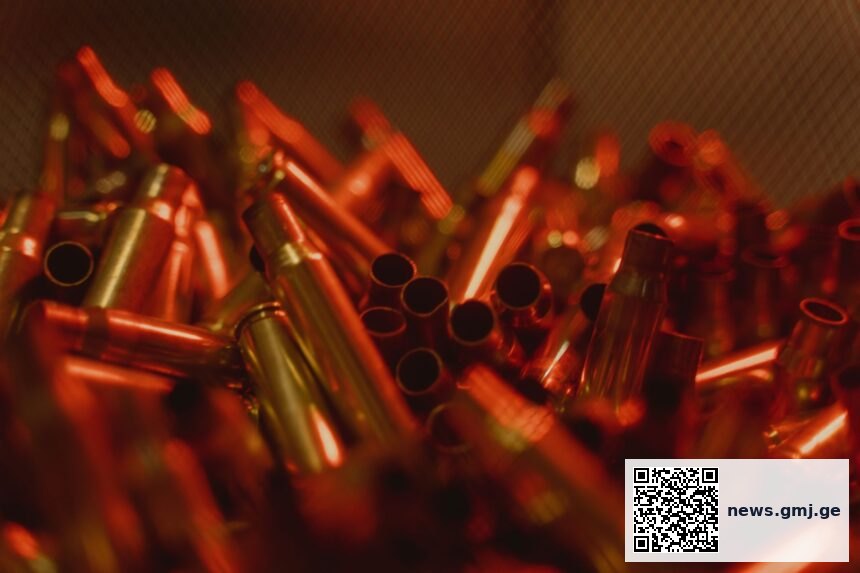
The World Organisation for Animal Health (WOAH) has issued a comprehensive statement calling for the global phasing out of lead ammunition used for hunting, citing significant risks to both wildlife and human health. The international organisation emphasises that lead poisoning from hunting ammunition represents a preventable environmental and public health threat that requires urgent coordinated action across member countries.
Wildlife Population Impact Reaches Crisis Levels
WOAH’s statement highlights that lead ammunition poses a particular threat to endangered bird species, including raptors and scavengers that consume contaminated carcasses. The organisation notes that lead fragments from hunting ammunition can persist in the environment for decades, creating ongoing exposure risks for wildlife populations.
According to the World Organisation for Animal Health, lead poisoning has been identified as a contributing factor to population declines in several vulnerable species. The statement emphasises that alternative non-toxic ammunition options are readily available and effective for hunting purposes.
The organisation’s position aligns with growing global health initiatives aimed at reducing environmental lead exposure, recognising the interconnected nature of animal and human health systems.

Human Health Risks from Lead Exposure
Beyond wildlife impacts, WOAH’s statement addresses the human health implications of lead ammunition use. The organisation warns that people who consume wild game meat hunted with lead ammunition face potential exposure to lead fragments, which can cause neurological damage, particularly in children and pregnant women.
WOAH emphasises that hunters, their families, and communities that rely on wild game as a food source are at particular risk.
The statement calls for enhanced health policy coordination between wildlife management authorities and public health agencies to address these dual risks effectively.
Implementation Strategies and Global Cooperation
WOAH recommends that member countries develop comprehensive phase-out plans that include hunter education programmes, economic incentives for transitioning to non-toxic alternatives, and regulatory frameworks that support the elimination of lead ammunition. The organisation emphasises the importance of stakeholder engagement, particularly with hunting communities.
Several countries have already implemented partial or complete bans on lead ammunition for hunting, with the European Union leading regulatory efforts in wetland areas. WOAH’s statement supports expanding these initiatives globally while providing technical assistance to countries developing their own policies.
The organisation highlights successful transitions in countries like Canada, where non-toxic shot requirements for waterfowl hunting have been in place for decades, demonstrating that effective alternatives exist without compromising hunting effectiveness.
WOAH’s statement calls for coordinated global action to phase out lead ammunition use in hunting to protect both wildlife and human health.
— World Organisation for Animal Health Statement (2024)
Key takeaways
- WOAH calls for global elimination of lead hunting ammunition citing risks to wildlife and human health
- Lead fragments in wild game meat pose neurological risks to human consumers, especially children
- Non-toxic ammunition alternatives are available and effective for all hunting applications
- Successful implementation requires coordinated policy between wildlife and public health authorities
Frequently asked questions
What makes lead ammunition particularly dangerous for wildlife?
Lead fragments from ammunition can persist in animal carcasses and the environment for decades. Scavenger birds and raptors that feed on contaminated carcasses suffer lead poisoning, which causes neurological damage and death.
Are non-toxic alternatives as effective as lead ammunition?
Yes, copper and steel alternatives provide equivalent or superior ballistic performance for hunting. Countries with existing bans report no decrease in hunting success rates when using non-toxic options.
How does lead ammunition affect human health?
People who consume wild game hunted with lead ammunition can ingest microscopic lead fragments. This exposure is particularly dangerous for children and pregnant women, as lead causes irreversible neurological damage even at low levels.
WOAH’s statement represents a significant step towards addressing a preventable environmental and public health challenge. The organisation’s call for coordinated global action reflects growing scientific consensus on the need to eliminate lead from hunting ammunition while supporting sustainable wildlife management and hunting traditions through safer alternatives.
Source: WOAH Statement on the Phasing Out of Lead Ammunition used for Hunting
Was this article helpful?
Disclaimer. This article is health journalism intended for general information and education. It is not medical advice and is not a substitute for professional diagnosis or treatment. Always consult a qualified healthcare provider about your individual circumstances. Full disclaimer →
Related Coverage



Editorial standards. This article was produced under the GMJ News editorial process, with oversight by the GMJ Editorial Board. Our editorial process. Spotted an error? Contact the editorial team.