🟠 Moderate Evidence
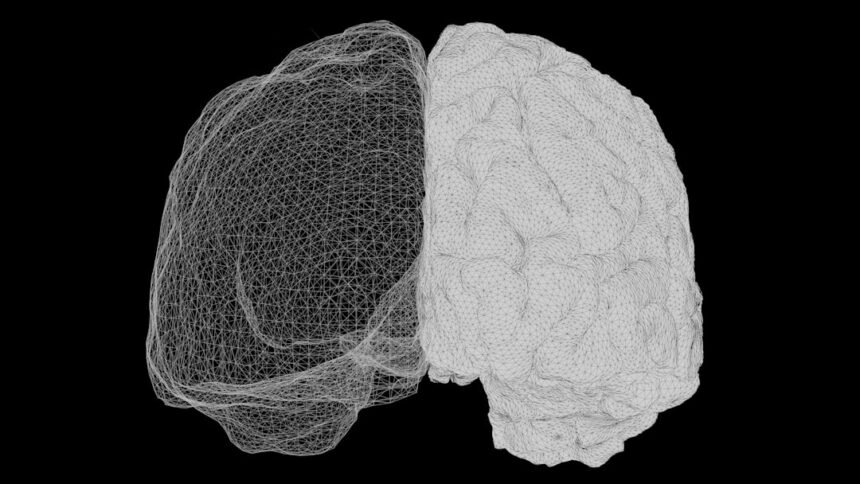
The human brain consumes approximately 20% of the body’s total energy expenditure in adults, rising to as much as 50% during childhood around age 10, according to metabolic physiology research. This exceptional energy demand places the brain uniquely dependent on consistent micronutrient availability, particularly B vitamins and trace minerals that serve as cofactors in mitochondrial respiration and neurotransmitter synthesis. Without adequate supply of these nutrients, cognitive performance deteriorates across multiple domains—memory, mood regulation, processing speed, and neuroprotection.
Key takeaways
- The brain consumes up to 50% of total body energy in children aged 10, declining to ~20% in adults
- B vitamins (B6, B9, B12, B1, B2, B3) regulate homocysteine, energy metabolism, and neurotransmitter synthesis—all critical for cognitive health
- Deficiencies in thiamine, B12, or folate can cause reversible cognitive impairment, nerve damage, and accelerated brain atrophy
- Micronutrient repletion in deficient populations improves memory, mood stability, and slows neurodegenerative decline
Brain Energy Consumption Across the Lifespan
Percentage of total body energy (resting metabolic rate), by age group
Source: Metabolic physiology literature consensus | Georgian Medical Journal News

Homocysteine Metabolism: The Silent Vascular Threat
Elevated homocysteine—an amino acid intermediate in methionine metabolism—damages both blood vessel endothelium and neuronal tissue when not properly regulated. Research on homocysteine metabolism demonstrates that vitamins B6, B9 (folate), B12, riboflavin, choline, and niacin (B3) are essential cofactors for converting homocysteine to harmless metabolites.
Clinical evidence shows that adequate folate and B12 supplementation reduces circulating homocysteine levels and supports long-term cognitive preservation. In older adults with mild cognitive impairment and elevated homocysteine, B12 and folate repletion has been associated with slowed brain volume loss on neuroimaging and measurable improvements in delayed memory recall.
Energy Metabolism: ATP, Mitochondria, and Mental Clarity
The brain’s neurons generate energy almost exclusively through aerobic oxidative phosphorylation in mitochondria, a process requiring continuous ATP production. B vitamins—particularly thiamine (B1) and riboflavin (B2)—function as essential cofactors (thiamine pyrophosphate, FAD) in pyruvate dehydrogenase, the citric acid cycle, and the electron transport chain. Co-enzyme Q10 (CoQ10), iron, and manganese amplify this energy-generating capacity.
Thiamine deficiency, even at subclinical levels, impairs this energy metabolism and manifests clinically as cognitive fog, fatigue, and poor concentration. Studies of thiamine repletion in deficient patients show rapid reversal of confusion, improved alertness, and restoration of normal energy levels—demonstrating the direct link between B1 availability and cerebral ATP production. See Clinical Updates for emerging evidence on micronutrient screening in cognitive complaints.
Neurotransmitter Synthesis: The Mood-Brain Vitamin Connection
Vitamin B6 (pyridoxal phosphate) serves as a rate-limiting cofactor for the synthesis of all monoamine neurotransmitters—serotonin, dopamine, norepinephrine, and GABA. Low B6 status directly constrains the enzymatic conversion of tryptophan to serotonin and tyrosine to dopamine, leaving individuals vulnerable to mood dysregulation, anxiety, and stress intolerance.
B6 supplementation in individuals with documented low serotonin turnover has been shown to improve emotional stability, reduce anxiety symptoms, and enhance stress resilience by restoring neurotransmitter synthesis capacity.
— Metabolic neurotransmitter research literature
Clinical observations indicate that patients presenting with mood symptoms alongside fatigue or cognitive complaints often have concurrent B6 deficiency. Targeted repletion addresses both the neurochemical deficit and the behavioral manifestations simultaneously.
Nerve Signal Transmission: Myelin, Axons, and Processing Speed
Efficient neuronal signaling—critical for processing speed, memory formation, and motor control—depends on structural myelin integrity and optimal axonal firing rates. Evidence on B12’s role in myelination shows that cobalamin is essential for methylation reactions that stabilize myelin composition. Folate (B9), thiamine, DHA (from omega-3 fatty acids), and iron similarly support axonal health and action potential propagation.
B12 deficiency causes progressive demyelination, beginning with peripheral nerves but advancing to spinal cord and brain tissue if untreated. Patients develop neuropathy, gait disturbance, and cognitive decline—many of which can be reversed if B12 repletion begins before irreversible neuronal loss. DHA supplementation from omega-3 sources improves communication speed between neurons and has been associated with improved cognitive performance in aging cohorts. Explore more in Pharmacy & Prescribing for evidence on micronutrient supplementation protocols.
What this means
Frequently asked questions
Can vitamin B deficiency cause permanent brain damage?
Yes, prolonged severe deficiency—particularly B12—can cause irreversible demyelination and neuronal loss if untreated. However, mild to moderate deficiency-induced cognitive impairment is typically reversible with prompt repletion. Early detection and supplementation are critical to prevent permanent neurological sequelae.
Why does the brain consume so much energy in children?
During childhood development, particularly around age 10, the brain undergoes intensive synaptogenesis (formation of new synaptic connections), myelination, and information processing at peak rates. This developmental work is energy-intensive, requiring near-maximal ATP production. Energy consumption declines as the brain matures and developmental plasticity stabilizes.
Should everyone take B vitamin supplements?
Routine supplementation is not necessary for individuals with adequate dietary intake and no malabsorption or genetic risk factors. However, targeted supplementation is evidence-based for populations at risk: older adults, vegans/vegetarians (B12), individuals with gastrointestinal disease, and those with documented deficiencies. Consult a clinician for personalized assessment.
As understanding of brain metabolism deepens, micronutrient status is increasingly recognized as a modifiable determinant of cognitive health across the lifespan. From childhood brain development through aging and neurodegenerative prevention, the adequacy of B vitamins and trace minerals represents a simple yet powerful lever for optimizing neurological function and resilience. Public health and clinical practice must integrate routine micronutrient screening and repletion into strategies for cognitive protection and health promotion">mental health promotion.
Source: Metabolic physiology and neuroscience literature on brain energy metabolism, B vitamin function, and micronutrient-cognitive health relationships. Data synthesized from consensus metabolic physiology research.
Was this article helpful?
Disclaimer. This article is health journalism intended for general information and education. It is not medical advice and is not a substitute for professional diagnosis or treatment. Always consult a qualified healthcare provider about your individual circumstances. Full disclaimer →
Related Coverage




Editorial standards. This article was produced under the GMJ News editorial process, with oversight by the GMJ Editorial Board. Our editorial process. Spotted an error? Contact the editorial team.