


Explainers
Plain-language deep dives for public audiences

Why Afternoon Fatigue Strikes After Lunch—and How Nutrition Can Help
Post-lunch afternoon fatigue is a common metabolic phenomenon driven by blood sugar fluctuations and circadian rhythms. Registered dietitians outline three…

A 10-Second Daily Finger Exercise May Support Cognitive Function, New Research Suggests
Emerging research suggests a simple 10-second daily finger exercise may support cognitive function and brain health in older adults through…


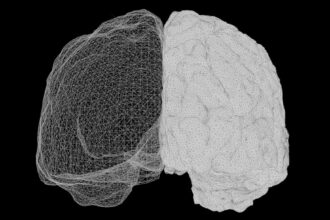
L-Theanine: How an amino acid shifts brain waves toward calm focus without drowsiness
L-theanine, a naturally occurring amino acid in green tea, shifts brain electrical activity toward patterns…

How Muscle Contractions Signal the Brain: The Myokine Pathway Explained
Skeletal muscle releases signalling molecules called myokines that travel through the bloodstream to regulate learning,…

How Your Body Makes and Uses Creatine: The Complete Energy System Explained
Creatine is a naturally occurring molecule synthesized in the kidneys and liver that serves as…
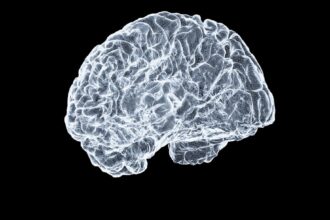
Brain Energy Demands: Why Your Hardest Thinking Uses Only 5% More Fuel
The brain uses only 5% more energy during intensive thinking than at rest, because baseline…

How Your Gut Absorbs Nutrients: A Section-by-Section Guide to Digestive Checkpoints
Nutrient absorption is not a single process but a carefully choreographed sequence distributed across seven…