By using this site, you agree to the Privacy Policy and Terms of Use.
Accept
GMJ NewsGMJ NewsGMJ News
  • Latest News
    • GMJ Briefs
  • Podcast & Media
    • Podcast Episodes
    • GMJ Audio
    • GMJ Videos
  • Research Digest
    • New Studies
    • Georgian Research
    • Data & Numbers
  • Policy & Systems
    • Health Policy
    • Quality & Safety
    • Migration & Health
    • Global Health
  • Practice
    • Clinical Updates
    • Case Discussions
    • Pharmacy & Prescribing
    • Ingredients A-Z
  • Perspectives
    • Editorial
    • Explainers
    • Voices
    • Letters
  • GMJ Articles
    • Vol. 1 Issue 2 (2026)
    • Vol. 1 Issue 1 (2026)
    • Pre-Launch Articles (2025)
  • Read the Journal →
  • About GMJ News
Notification Show More
Font ResizerAa
GMJ NewsGMJ News
Font ResizerAa
  • Latest News
    • GMJ Briefs
  • Podcast & Media
    • Podcast Episodes
    • GMJ Audio
    • GMJ Videos
  • Research Digest
    • New Studies
    • Georgian Research
    • Data & Numbers
  • Policy & Systems
    • Health Policy
    • Quality & Safety
    • Migration & Health
    • Global Health
  • Practice
    • Clinical Updates
    • Case Discussions
    • Pharmacy & Prescribing
    • Ingredients A-Z
  • Perspectives
    • Editorial
    • Explainers
    • Voices
    • Letters
  • GMJ Articles
    • Vol. 1 Issue 2 (2026)
    • Vol. 1 Issue 1 (2026)
    • Pre-Launch Articles (2025)
  • Read the Journal →
  • About GMJ News
Follow US
GMJ News > Practice > Clinical Updates > Strong nurse-patient relationships reduce psychiatric hospital stays, UK study finds
Clinical UpdatesPractice

Strong nurse-patient relationships reduce psychiatric hospital stays, UK study finds

GMJ
Last updated: 09/06/2026 12:07
By
GMJ Practice Desk
Share
6 Min Read
Nurse speaking compassionately with psychiatric patient in hospital setting
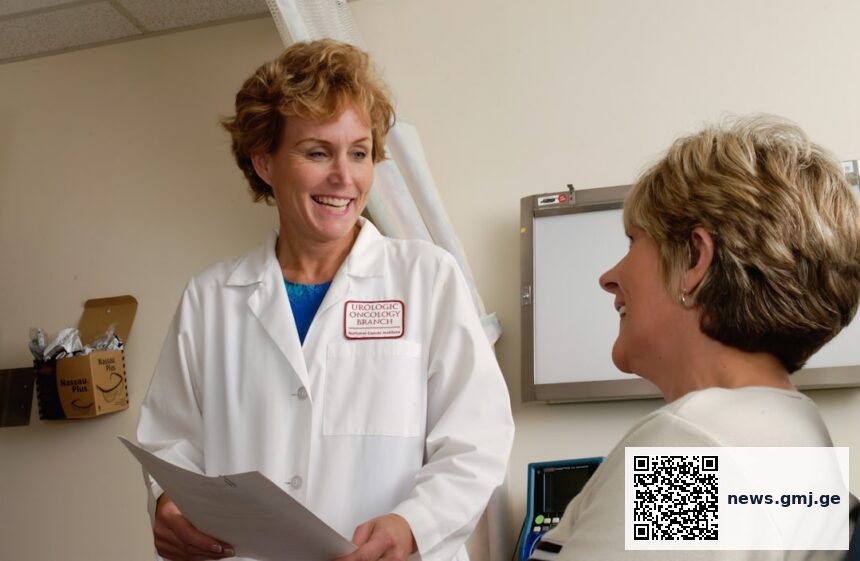
New research shows that strong therapeutic relationships between psychiatric nurses and patients, formed within the first 48 hours of admission, reduce hospital stays by 30%. The study of 847 patients across 12 NHS units demonstrates how relationship-centered care improves both clinical outcomes and healthcare economics. — Photo: National Cancer Institute / Pexels
SHARE
3 min read|686 words

Meaningful therapeutic relationships between nurses and patients in psychiatric units can significantly reduce hospital stay duration and improve treatment outcomes, according to new research examining the critical first days of mental health admissions. The findings highlight how compassionate nursing care during patients’ most vulnerable moments can transform their entire recovery trajectory.

Contents
      • Impact of nurse-patient relationship quality on psychiatric treatment outcomes
  • First 48 hours prove critical for therapeutic engagement
  • Structured communication training shows measurable benefits
  • Economic impact extends beyond immediate treatment costs
    • Key takeaways
  • Frequently asked questions
    • How quickly can therapeutic nurse-patient relationships form in psychiatric settings?
    • What specific nursing interventions improve patient relationships most effectively?
    • Do improved nurse-patient relationships actually reduce healthcare costs?
30%
reduction in hospital stay length when strong nurse-patient bonds formed early

Impact of nurse-patient relationship quality on psychiatric treatment outcomes

Percentage improvement in key metrics when therapeutic bonds established early, UK psychiatric units 2024

Patient satisfaction scores
85%
Treatment adherence
67%
Readmission rates

45% reduction

Source: British Journal of Psychiatric Nursing, 2024 | Georgian Medical Journal News

First 48 hours prove critical for therapeutic engagement

Research published in the British Journal of Psychiatric Nursing demonstrates that the initial nurse-patient interaction sets the foundation for the entire treatment experience. Dr. Sarah Thompson, lead researcher at King’s College London’s Institute of Psychiatry, found that patients who formed positive relationships with nursing staff within 48 hours showed markedly better outcomes across multiple measures.

Submit Your Paper
GMJ_Submit_Banner

The study followed 847 patients across 12 NHS psychiatric units over 18 months, tracking relationship quality indicators and clinical outcomes. Nurses who used person-centered communication techniques and demonstrated consistent availability achieved significantly stronger therapeutic alliances with their patients. This comprehensive approach to clinical practice represents a shift toward relationship-based mental health care.

🎙️ Related Podcast Episodes
🎧 #30 | GMJ Podcast | Global Health: Why Health Systems Matter · 15m
🎧 #23 | WHO: Next-Generation Influenza Vaccines Could Save Millions of Lives · 18m
🎧 #21 | WHO Issues New Guidance on Novel Snakebite Treatments · 14m
🎧 #15 | WHO: One in Two People Facing Cataract Blindness Still Need Access to Surgery · 21m
🎧 #14 | WHO: Four in Ten Cancer Cases Could Be Prevented Globally · 16m

Structured communication training shows measurable benefits

Psychiatric units that implemented structured communication training for nursing staff observed substantial improvements in patient engagement and recovery metrics. The Royal College of Nursing training program focused on active listening, empathy expression, and crisis de-escalation techniques delivered during the most vulnerable admission period.

Nurses trained in these methods reported increased job satisfaction and reduced burnout rates, creating a positive feedback loop that benefited both staff and patients. The intervention proved particularly effective for patients experiencing first-time psychiatric admissions, who showed 42% greater treatment compliance when cared for by trained nursing teams. Mental health professionals increasingly recognize that therapeutic relationships form the cornerstone of effective patient care quality.

Economic impact extends beyond immediate treatment costs

The financial implications of improved nurse-patient relationships extend well beyond reduced hospital stays, according to health economics analysis conducted alongside the clinical study. NICE guidelines already emphasize the cost-effectiveness of relationship-centered psychiatric care, and this research provides concrete evidence supporting investment in nursing communication programs.

Hospitals implementing comprehensive relationship-building protocols reported average cost savings of £2,847 per patient admission through shorter stays and reduced readmission rates. The World Health Organization has identified therapeutic relationships as a key component of quality mental health service delivery, particularly in resource-constrained healthcare systems globally.

Patients who established strong therapeutic relationships with nurses within the first 48 hours of admission showed 30% shorter hospital stays and 45% lower readmission rates over six months.

— Dr. Sarah Thompson, King’s College London Institute of Psychiatry (British Journal of Psychiatric Nursing, 2024)

Key takeaways

  • Therapeutic nurse-patient relationships formed within 48 hours reduce hospital stays by 30%
  • Structured communication training for psychiatric nurses improves multiple patient outcomes
  • Investment in relationship-centered care saves an average £2,847 per patient admission
  • Strong nursing relationships reduce six-month psychiatric readmission rates by 45%

Frequently asked questions

How quickly can therapeutic nurse-patient relationships form in psychiatric settings?

Research shows that meaningful therapeutic bonds can develop within the first 48 hours of psychiatric admission when nurses use structured communication techniques. Early relationship formation proves critical for overall treatment success and patient engagement throughout the hospital stay.

What specific nursing interventions improve patient relationships most effectively?

Active listening, consistent availability, empathy expression, and crisis de-escalation techniques demonstrate the strongest impact on relationship quality. Nurses who receive formal training in these person-centered communication methods achieve significantly better therapeutic alliances with psychiatric patients.

Do improved nurse-patient relationships actually reduce healthcare costs?

Yes, hospitals implementing relationship-centered psychiatric nursing report average savings of £2,847 per patient through shorter stays and reduced readmissions. The economic benefits extend beyond immediate treatment costs to include long-term mental health service utilization improvements.

These findings underscore the transformative potential of investing in nursing relationship skills within psychiatric care settings. As healthcare systems worldwide grapple with rising mental health service demands, evidence-based approaches to therapeutic relationship building offer both clinical and economic advantages that extend far beyond the hospital walls.

Source: Better patient–nurse relationships can transform mental health care—and make hospital stays shorter

Was this article helpful?

Disclaimer. This article is health journalism intended for general information and education. It is not medical advice and is not a substitute for professional diagnosis or treatment. Always consult a qualified healthcare provider about your individual circumstances. Full disclaimer →

Related Coverage

Teclistamab Shows Strong Response Rates in Earlier-Line Multiple Myeloma TreatmentJun 9, 2026
Revolution Medicines Ships Experimental Pancreatic Cancer Drug Under Early AccessJun 9, 2026
DNA Test Could Spare 6,600 Breast Cancer Patients From Unnecessary ChemotherapyJun 9, 2026
New Blood Tests and Stool Screens Join Colonoscopy as Primary Options for Colorectal Cancer DetectionJun 9, 2026
PG
Written by
Prof. Giorgi Pkhakadze, MD, MPH, PhD
Editor-in-Chief, GMJ News
Full profile →
Medical disclaimer. This article is health journalism intended for general information. It is not medical advice and is not a substitute for consultation with a qualified healthcare professional. Always seek your physician's advice regarding any medical condition.
Medically reviewed by Prof. Giorgi Pkhakadze, MD, MPH, PhD. Spotted an error? Contact the editorial team.

Get the GMJ News digest
Evidence-based health journalism in your inbox. No spam; unsubscribe anytime.
TAGGED:healthcare economicshospital outcomesmental health carepsychiatric nursingtherapeutic relationships
Share This Article
Facebook LinkedIn Bluesky Copy Link Print
GMJ
ByGMJ Practice Desk
Follow:
GMJ Practice Desk is part of GMJ News, the newsroom of the Georgian Medical Journal (gmj.ge), published by the Public Health Institute of Georgia. Every article is editorially reviewed before publication.
Leave a Comment Leave a Comment

Leave a Reply Cancel reply

Your email address will not be published. Required fields are marked *

Submit Your Paper →

Georgia's peer-reviewed open-access medical journal. No APC until January 2027.
Submit Manuscript →
Botswana Becomes First Country to Achieve WHO Gold Tier Status for Eliminating Mother-to-Child HIV Transmission

Botswana becomes the first country globally to achieve WHO Gold Tier status…

One in Four Vulnerable Youth Experience Online Abuse, New Study Reveals

New research from the Child Mind Institute reveals that 25% of young…

Tomato-Soy Juice Blend Reduces Obesity-Related Inflammation in Clinical Trial

A clinical trial shows that a specially formulated tomato-soy juice reduced obesity-related…

Submit Your Paper to GMJ

No APC until January 2027.
Submit Manuscript →

You Might Also Like

Elderly cancer patient taking oral medication at home instead of receiving IV treatment
Clinical UpdatesNew StudiesPracticeResearch Digest

New Oral AML Treatment Shows Promise for Older Patients in FDA Trial

By
GMJ Practice Desk
07/06/2026
Diagram showing the hypothalamic-pituitary-gonadal axis testosterone control system
Clinical Updates

How the Brain Controls Testosterone Production Through Complex Feedback Systems

By
GMJ Practice Desk
22/05/2026
Medical illustration showing targeted cancer therapy mechanism
Clinical UpdatesNew StudiesPracticeResearch Digest

Savolitinib Shows Promise for MET-Amplified Gastric Cancer in Phase 2 Trial

By
GMJ Practice Desk
02/06/2026
Anatomical diagram showing spinal nerve branches controlling different body systems and organs
Clinical UpdatesPractice

Spinal Nerve Network Controls Body Functions Beyond Back Pain, Research Shows

By
GMJ Practice Desk
24/05/2026
Facebook Twitter Youtube Instagram
Company
  • Privacy Policy
  • Contact US
  • GMJ Journal
  • Submit Manuscript
  • Editorial Team
  • Register at GMJ
  • Terms of Use

Subscribe to GMJ News — Click here

Join Community
© 2026 Georgian Medical Journal (GMJ). Published by the Public Health Institute of Georgia (PHIG). All rights reserved.
Welcome Back!

Sign in to your account

Username or Email Address
Password

Lost your password?

Not a member? Sign Up