


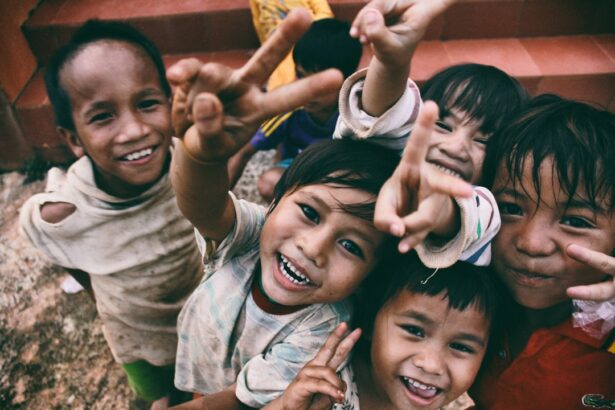
UNICEF warns of devastating toll on children in armed conflict zones across globe
UNICEF Executive Director Catherine Russell warned the UN Security Council that children in armed conflict zones face a cascading health…

CAR T cell therapy targets mutant calreticulin in myelofibrosis: new hope for precision cancer immunotherapy
A new CAR T cell therapy engineered to target mutant calreticulin successfully depleted disease-driving cells in myelofibrosis xenografts and human…


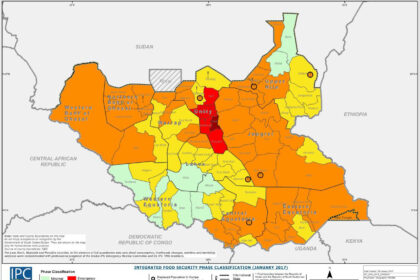
South Sudan Food Crisis: 7.8 Million Face Acute Hunger as Child Malnutrition Reaches Critical Levels
South Sudan faces severe humanitarian crisis with 7.8 million people experiencing acute food insecurity and 2.2 million children suffering malnutrition.…
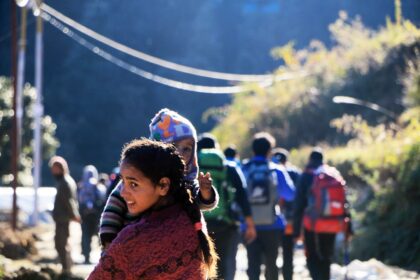
UNICEF calls for child-focused migration policies as 50 million children migrate globally
UNICEF calls for child-focused migration policies as 50 million children migrate globally, facing barriers to healthcare, education, and protection. Current…
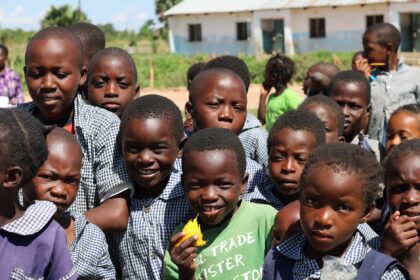
UNICEF Demands Protection for Mali’s Children After Deadly School and Hospital Attacks
UNICEF demands protection for 2.3 million children in Mali following deadly attacks on schools and health facilities. The organisation calls…
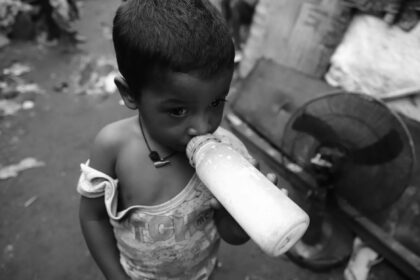
Child Poverty Rises in Wealthy Nations Despite Economic Growth, UNICEF Analysis Shows
UNICEF analysis reveals that 1 in 8 children in wealthy nations live in poverty despite overall economic growth. Nordic countries…
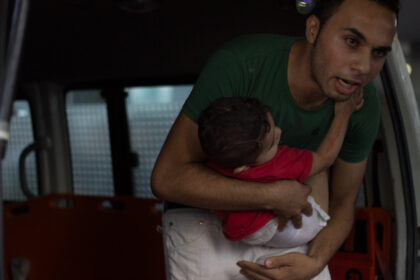
Gaza Children Face Educational Crisis as 625,000 Students Lose Access to Schooling
Over 625,000 children in Gaza have lost access to education for more than a year due to systematic destruction of…
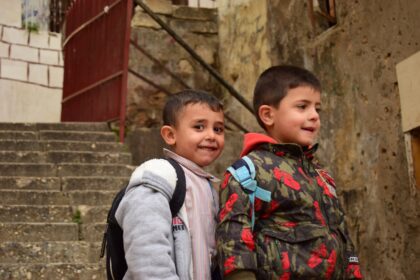
Lebanon Ceasefire Fails to Protect Children as 59 Casualties Reported in One Week
UNICEF reports 59 children killed or injured in Lebanon during past week despite ongoing ceasefire. The casualties highlight continued vulnerability…
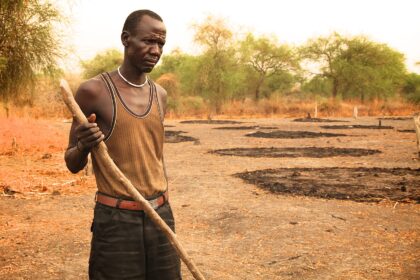
Nearly 19.5 Million Sudanese Face Acute Food Insecurity as Famine Risk Persists
Nearly 19.5 million people in Sudan face acute food insecurity with 755,000 children at immediate risk of death from severe…
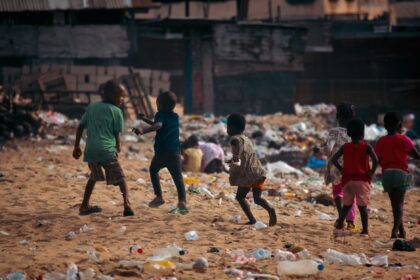
Climate Crisis Threatens 2.2 Billion Children’s Health and Wellbeing, UNICEF Reports
UNICEF reports that over 2.2 billion children worldwide face heightened health risks from climate change impacts. Deputy Executive Director Ted…