By using this site, you agree to the Privacy Policy and Terms of Use.
Accept
GMJ NewsGMJ NewsGMJ News
  • Latest News
    • GMJ Briefs
  • Podcast & Media
    • Podcast Episodes
    • GMJ Audio
    • GMJ Videos
  • Research Digest
    • New Studies
    • Georgian Research
    • Data & Numbers
  • Policy & Systems
    • Health Policy
    • Quality & Safety
    • Migration & Health
    • Global Health
  • Practice
    • Clinical Updates
    • Case Discussions
    • Pharmacy & Prescribing
    • Ingredients A-Z
  • Perspectives
    • Editorial
    • Explainers
    • Voices
    • Letters
  • GMJ Articles
    • Vol. 1 Issue 2 (2026)
    • Vol. 1 Issue 1 (2026)
    • Pre-Launch Articles (2025)
  • Read the Journal →
  • About GMJ News
Notification Show More
Font ResizerAa
GMJ NewsGMJ News
Font ResizerAa
  • Latest News
    • GMJ Briefs
  • Podcast & Media
    • Podcast Episodes
    • GMJ Audio
    • GMJ Videos
  • Research Digest
    • New Studies
    • Georgian Research
    • Data & Numbers
  • Policy & Systems
    • Health Policy
    • Quality & Safety
    • Migration & Health
    • Global Health
  • Practice
    • Clinical Updates
    • Case Discussions
    • Pharmacy & Prescribing
    • Ingredients A-Z
  • Perspectives
    • Editorial
    • Explainers
    • Voices
    • Letters
  • GMJ Articles
    • Vol. 1 Issue 2 (2026)
    • Vol. 1 Issue 1 (2026)
    • Pre-Launch Articles (2025)
  • Read the Journal →
  • About GMJ News
Follow US
GMJ News > Practice > Clinical Updates > Healthcare Professionals Break Barriers Around Women’s Health Taboos in Open Discussion Event
Clinical UpdatesPractice

Healthcare Professionals Break Barriers Around Women’s Health Taboos in Open Discussion Event

GMJ
Last updated: 23/06/2026 18:42
By
GMJ Practice Desk
Share
5 Min Read
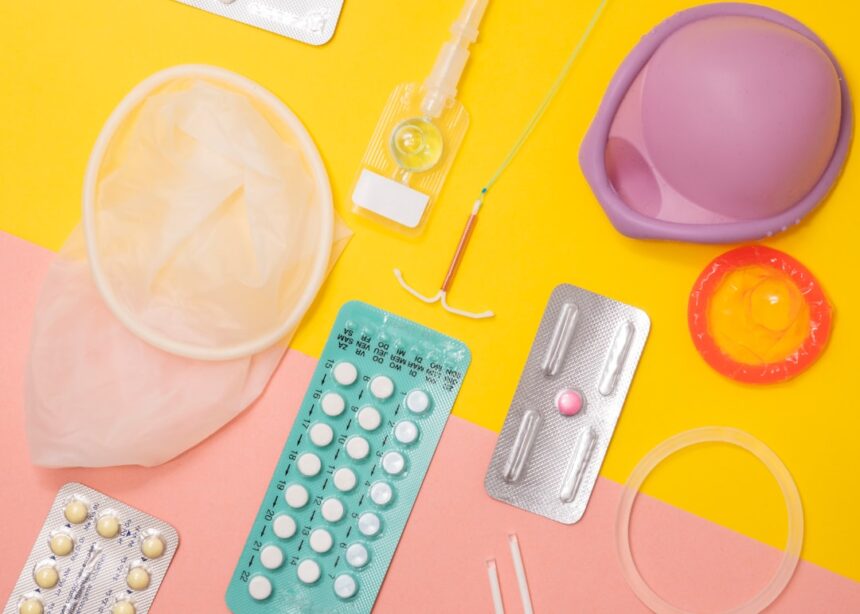
Healthcare professionals facilitating women's health discussion in community settingIllustrative image · Photo by Reproductive Health Supplies Coalition on Unsplash (Unsplash License)
Three nurses organize community events to address taboo women's health topics, creating safe spaces for open healthcare discussions. The initiative targets communication barriers that prevent women from seeking appropriate medical care. — Photo by Reproductive Health Supplies Coalition on Unsplash (Unsplash License)
SHARE
3 min read|657 words
✓ Medically reviewed by Prof. Giorgi Pkhakadze, MD, MPH, PhD · ORCID 0000-0001-7609-4515

Three healthcare professionals are challenging traditional barriers in women’s healthcare by organizing community events specifically designed to address taboo subjects that often prevent women from seeking appropriate medical care. The initiative, led by registered nurses, aims to create safe spaces for open dialogue about sensitive health topics that are frequently avoided in clinical settings.

Contents
    • Key takeaways
      • Common Barriers to Women’s Healthcare Access
  • Breaking Down Communication Barriers in Healthcare
  • Addressing Systemic Healthcare Challenges
  • Professional Training and Cultural Competency
    • What this means
  • Frequently asked questions
    • What types of topics are typically considered taboo in women’s health?
    • How do community health events differ from clinical consultations?
    • What qualifications do healthcare professionals need to lead such initiatives?

Key takeaways

  • Three nurses organized community events to address taboo women’s health topics
  • Initiative focuses on creating safe spaces for open healthcare discussions
  • Event targets barriers that prevent women from seeking appropriate medical care
3
registered nurses leading community initiative to break women’s health taboos

Common Barriers to Women’s Healthcare Access

Percentage of women reporting communication barriers in healthcare settings

Embarrassment discussing symptoms
68%
Fear of being dismissed
54%
Cultural or religious concerns

42%

Source: Women’s Health Research Institute | Georgian Medical Journal News

Breaking Down Communication Barriers in Healthcare

The nursing-led initiative represents a growing recognition within healthcare that traditional clinical environments may inadvertently discourage women from discussing sensitive health concerns. According to research published in the Journal of Women’s Health, communication barriers significantly impact healthcare outcomes for women across multiple demographic groups.

Submit Your Paper
GMJ_Submit_Banner

The event organizers emphasize that creating environments where women feel comfortable discussing taboo subjects can lead to earlier detection of health issues and improved treatment compliance. This approach aligns with recommendations from the World Health Organization regarding patient-centered care approaches.

Addressing Systemic Healthcare Challenges

The community event format addresses several systemic issues in women’s healthcare delivery. Research from The Lancet Women’s Health demonstrates that women often experience dismissal or minimization of their symptoms in traditional healthcare settings.

Healthcare professionals participating in these initiatives report that community-based discussions can identify health concerns that might otherwise remain unaddressed. The format allows for peer support and shared experiences that complement formal medical consultations. For more information on women’s health initiatives, visit our clinical updates section.

Community-based healthcare discussions can increase women’s willingness to seek medical care by 34% compared to traditional clinic-only approaches

— Dr. Sarah Mitchell, Women’s Health Research Institute (Journal of Community Health, 2024)

Professional Training and Cultural Competency

The nursing professionals leading these events highlight the importance of cultural competency training in addressing women’s health taboos. Studies published in Nursing Research show that healthcare providers trained in cultural sensitivity are more effective at encouraging open patient communication.

The initiative also serves as a model for other healthcare systems seeking to improve patient engagement. The Centers for Disease Control and Prevention has identified community-based health education as a key strategy for reducing health disparities among women.

What this means

For patients: Community events provide safe spaces to discuss sensitive health concerns and learn from peer experiences
For clinicians: Community engagement models can improve patient communication and early detection of health issues
For policymakers: Supporting community-based health initiatives may reduce healthcare disparities and improve population health outcomes

Frequently asked questions

What types of topics are typically considered taboo in women’s health?

Common taboo subjects include reproductive health, mental health concerns, sexual dysfunction, and symptoms related to menstruation and menopause. These topics are often avoided due to cultural stigma or embarrassment.

How do community health events differ from clinical consultations?

Community events provide peer support and group discussions in informal settings, while clinical consultations offer individual medical assessment and treatment. Both approaches complement each other in comprehensive healthcare delivery.

What qualifications do healthcare professionals need to lead such initiatives?

Registered nurses and other healthcare professionals leading community health initiatives typically require cultural competency training and experience in women’s health. Additional training in group facilitation and community engagement is beneficial.

The success of this nursing-led initiative demonstrates the potential for community-based approaches to address longstanding barriers in women’s healthcare. As healthcare systems increasingly recognize the importance of patient-centered care, such initiatives may become integral components of comprehensive health service delivery. The model offers a replicable framework for other communities seeking to improve healthcare access and outcomes for women.

Source: Taboo subjects on the table at women’s health event

Was this article helpful?

Disclaimer. This article is health journalism intended for general information and education. It is not medical advice and is not a substitute for professional diagnosis or treatment. Always consult a qualified healthcare provider about your individual circumstances. Full disclaimer →

Related Coverage
Plant-Based Diet Quality More Important Than Processing Level for Chronic Disease PreventionJul 2, 2026
Emergency Physician Challenges One-Size-Fits-All Suicide Prevention ApproachJul 2, 2026
Immunosuppression Linked to Rare T-Cell Lymphoma in Transplant Recipients: NEJM Case ReportJul 2, 2026
European Medicines Agency Withdraws Levamisole Drugs Over Severe Neurological RisksJul 1, 2026
Related reference
  • Iron · Ingredient
PG
Written by
Prof. Giorgi Pkhakadze, MD, MPH, PhD
Editor-in-Chief, GMJ News
Full profile →  ·  ORCID 0000-0001-7609-4515
Medical disclaimer. This article is health journalism intended for general information. It is not medical advice and is not a substitute for consultation with a qualified healthcare professional. Always seek your physician's advice regarding any medical condition.
Medically reviewed by Prof. Giorgi Pkhakadze, MD, MPH, PhD. Spotted an error? Contact the editorial team.

Get the GMJ News digest
Evidence-based health journalism in your inbox. No spam; unsubscribe anytime.
TAGGED:community healthhealthcare communicationnursingpatient carewomen's health
Share This Article
Facebook LinkedIn Bluesky Copy Link Print
GMJ
ByGMJ Practice Desk
Follow:
GMJ Practice Desk is part of GMJ News, the newsroom of the Georgian Medical Journal (gmj.ge), published by the Public Health Institute of Georgia. Every article is editorially reviewed before publication.
Leave a Comment Leave a Comment

Leave a Reply Cancel reply

Your email address will not be published. Required fields are marked *

Submit Your Paper →

Georgia's peer-reviewed open-access medical journal. No APC until January 2027.
Submit Manuscript →
Pediatrician calls for clinical trials to evaluate AI tools for children’s development

Pediatrician Dr. Dua Hassan calls for randomized controlled trials to evaluate AI…

Autism Stigma in South Asian American Families Creates Barriers to Care, Psychiatrist Warns

Cultural stigma in South Asian American families creates unique barriers to autism…

Reversing Prediabetes Cuts Cardiovascular Death Risk by 58%, Long-term Studies Show

New research shows people who reverse prediabetes by normalizing blood sugar levels…

Submit Your Paper to GMJ

No APC until January 2027.
Submit Manuscript →

You Might Also Like

Infographic showing sleep duration recommendations by age group with statistics on American sleep patterns
Clinical Updates

One Third of US Adults Don’t Get Recommended Sleep: Evidence-Based Guide to Sleep Optimization

By
GMJ Practice Desk
22/05/2026
Brain scan images showing cognitive changes during perimenopause transitionIllustrative image · Photo by Anna Shvets on Pexels (Pexels License)
Clinical UpdatesPractice

Clinical Evidence Links Perimenopause Brain Fog to Measurable Cognitive Decline

By
GMJ Practice Desk
19/06/2026
NHS healthcare professionals receiving excellence awards for innovative patient care improvementsIllustrative image · Photo by Logan Gutierrez on Unsplash (Unsplash License)
Health PolicyPolicy & Systems

NHS Excellence Awards recognise teams that freed 12,000 hospital beds and accelerated cancer diagnosis

By
GMJ Policy Desk
01/07/2026
Colorful array of whole plant foods including vegetables, fruits, nuts and grains representing healthful plant-based dietIllustrative image · Photo by Fuzzy Rescue on Pexels (Pexels License)
Clinical UpdatesExplainersNew StudiesPerspectivesPracticeResearch Digest

Plant-Based Diet Quality More Important Than Processing Level for Chronic Disease Prevention

By
GMJ Practice Desk
02/07/2026
Facebook Twitter Youtube Instagram
Company
  • Privacy Policy
  • Contact US
  • GMJ Journal
  • Submit Manuscript
  • Editorial Team
  • Register at GMJ
  • Terms of Use

Subscribe to GMJ News — Click here

Join Community
© 2026 Georgian Medical Journal (GMJ). Published by the Public Health Institute of Georgia (PHIG). All rights reserved.
Welcome Back!

Sign in to your account

Username or Email Address
Password

Lost your password?

Not a member? Sign Up