By using this site, you agree to the Privacy Policy and Terms of Use.
Accept
GMJ NewsGMJ NewsGMJ News
  • Latest News
    • GMJ Briefs
  • Podcast & Media
    • Podcast Episodes
    • GMJ Audio
    • GMJ Videos
  • Research Digest
    • New Studies
    • Georgian Research
    • Data & Numbers
  • Policy & Systems
    • Health Policy
    • Quality & Safety
    • Migration & Health
    • Global Health
  • Practice
    • Clinical Updates
    • Case Discussions
    • Pharmacy & Prescribing
    • Ingredients A-Z
  • Perspectives
    • Editorial
    • Explainers
    • Voices
    • Letters
  • GMJ Articles
    • Vol. 1 Issue 2 (2026)
    • Vol. 1 Issue 1 (2026)
    • Pre-Launch Articles (2025)
  • Read the Journal →
  • About GMJ News
Notification Show More
Font ResizerAa
GMJ NewsGMJ News
Font ResizerAa
  • Latest News
    • GMJ Briefs
  • Podcast & Media
    • Podcast Episodes
    • GMJ Audio
    • GMJ Videos
  • Research Digest
    • New Studies
    • Georgian Research
    • Data & Numbers
  • Policy & Systems
    • Health Policy
    • Quality & Safety
    • Migration & Health
    • Global Health
  • Practice
    • Clinical Updates
    • Case Discussions
    • Pharmacy & Prescribing
    • Ingredients A-Z
  • Perspectives
    • Editorial
    • Explainers
    • Voices
    • Letters
  • GMJ Articles
    • Vol. 1 Issue 2 (2026)
    • Vol. 1 Issue 1 (2026)
    • Pre-Launch Articles (2025)
  • Read the Journal →
  • About GMJ News
Follow US
GMJ News > Practice > Clinical Updates > Flavanol-Rich Fruits Could Cut Heart Disease Risk, New Multi-Institutional Study Shows
Clinical UpdatesNew StudiesPracticeResearch Digest

Flavanol-Rich Fruits Could Cut Heart Disease Risk, New Multi-Institutional Study Shows

GMJ
Last updated: 15/06/2026 12:25
By
GMJ Practice Desk
Share
6 Min Read
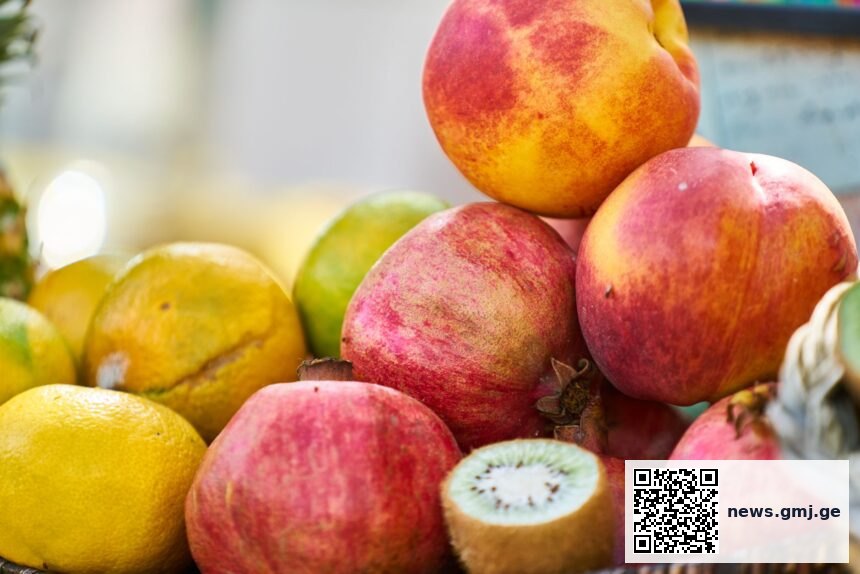
Colorful array of flavanol-rich fruits including blueberries, cherries, and blackberriesIllustrative image · Photo by Engin Akyurt on Pexels (Pexels License)
New research from University of Reading, Harvard Medical School, and UC Davis shows that flavanol-rich fruits like blueberries and cherries may provide superior heart protection. Fewer than 20% of people achieve protective flavanol levels despite meeting standard dietary recommendations. — Photo by Engin Akyurt on Pexels (Pexels License)
SHARE
4 min read|729 words
✓ Medically reviewed by Prof. Giorgi Pkhakadze, MD, MPH, PhD · ORCID 0000-0001-7609-4515

🟠 Moderate Evidence

Contents
    • Key takeaways
      • Study at a Glance
  • Specific Foods Show Superior Heart Protection
      • Flavanol Intake and Heart Disease Risk
  • Meeting Guidelines May Not Ensure Optimal Protection
  • Implications for Dietary Recommendations
    • What this means
  • Frequently asked questions
    • Which fruits have the highest flavanol content for heart health?
    • Can I get enough flavanols just by eating five portions of fruits and vegetables daily?
    • How does green tea enhance the heart benefits of flavanol-rich foods?

A new multi-institutional study involving researchers from the University of Reading, Harvard Medical School, and University of California Davis suggests that specific flavanol-rich fruits and vegetables may offer superior cardiovascular protection compared to general fruit and vegetable consumption. The research found that fewer than one in five people achieved flavanol intake levels associated with reduced heart disease risk, even among those meeting recommended daily fruit and vegetable guidelines.

Key takeaways

  • Blueberries, plums, blackberries, broad beans, and cherries show particular promise for heart health due to high flavanol content
  • Fewer than 20% of people reach protective flavanol levels, even when eating recommended five daily portions of fruits and vegetables
  • Green tea consumption may enhance the cardiovascular benefits of flavanol-rich foods

Study at a Glance

Source Multi-institutional collaboration
Study type Observational analysis
Institutions University of Reading, Harvard Medical School, UC Davis, Mars Inc.
Focus Flavanol intake and cardiovascular risk
Population Adults meeting fruit and vegetable recommendations
20%
of people reach heart-protective flavanol levels despite eating recommended fruit and vegetable portions

Specific Foods Show Superior Heart Protection

The collaborative research identified several foods with particularly high flavanol concentrations that may confer greater cardiovascular benefits. According to the University of Reading and Harvard Medical School study, blueberries, plums, blackberries, broad beans, and cherries emerged as top sources of heart-protective flavanols.

Green tea consumption appeared to enhance these benefits, suggesting that beverage choices may complement dietary flavanol intake from solid foods. The research builds on previous work examining the relationship between specific plant compounds and cardiovascular health outcomes.

Submit Your Paper
GMJ_Submit_Banner

Flavanol Intake and Heart Disease Risk

Population achieving protective flavanol levels, even with recommended fruit/vegetable intake

5
Daily portions recommended
20%
Reaching protective levels
80%
Below target intake

Source: University of Reading, Harvard Medical School, 2026 | Georgian Medical Journal News

🎙️ Related Podcast Episodes
🎧 #28 | GMJ Podcast | SheniEkimi.ge #1: Top 5 Evidence-Based Public Health News · 19m
🎧 #21 | WHO Issues New Guidance on Novel Snakebite Treatments · 14m
🎧 #14 | WHO: Four in Ten Cancer Cases Could Be Prevented Globally · 16m

Meeting Guidelines May Not Ensure Optimal Protection

The findings challenge assumptions about standard dietary recommendations for cardiovascular health. Despite the UK NHS recommendation of five 80-gram portions of fruits and vegetables daily, the study revealed significant gaps in achieving therapeutic flavanol levels.

This research suggests that quality and specific food choices may matter as much as quantity when optimizing diet for heart health. The involvement of Mars, Inc. in the research reflects growing industry interest in flavanol compounds, particularly those found in cocoa products.

Implications for Dietary Recommendations

The multi-institutional collaboration highlights the need for more nuanced dietary guidance beyond simple portion counting. The research suggests that current public health messaging may need refinement to emphasize specific flavanol-rich food choices rather than general fruit and vegetable consumption.

Healthcare providers may need to consider both the quantity and quality of plant foods when counseling patients about cardiovascular disease prevention. This approach aligns with precision nutrition concepts that tailor dietary recommendations to specific health outcomes.

Fewer than one in five people reached the flavanol intake that has been shown to reduce the risk of heart disease, even including those who regularly ate five portions of fruit and vegetables a day

— University of Reading, Harvard Medical School, UC Davis research collaboration (2026)

What this means

For patients: Focus on flavanol-rich choices like blueberries, cherries, and blackberries rather than just meeting portion targets, and consider green tea as a beneficial beverage
For clinicians: Provide specific food recommendations emphasizing flavanol content when counseling patients on cardiovascular disease prevention through diet
For policymakers: Consider updating dietary guidelines to include qualitative recommendations about specific heart-protective foods alongside quantitative portion guidance

Frequently asked questions

Which fruits have the highest flavanol content for heart health?

According to the research, blueberries, plums, blackberries, and cherries contain particularly high levels of heart-protective flavanols. These foods may provide superior cardiovascular benefits compared to other fruits.

Can I get enough flavanols just by eating five portions of fruits and vegetables daily?

The study found that fewer than 20% of people achieved heart-protective flavanol levels even when meeting standard five-a-day recommendations. This suggests that specific food choices matter as much as total quantity.

How does green tea enhance the heart benefits of flavanol-rich foods?

Green tea appears to complement dietary flavanol intake from solid foods, though the research did not specify the exact mechanism. The beverage may enhance absorption or provide additional flavanol compounds.

Future research will likely explore optimal flavanol dosing and combinations to maximize cardiovascular protection. This work may inform more precise dietary guidelines that emphasize specific plant compounds rather than broad food categories for heart disease prevention.

Source: Some fruits and vegetables are especially good for heart health

Was this article helpful?

Disclaimer. This article is health journalism intended for general information and education. It is not medical advice and is not a substitute for professional diagnosis or treatment. Always consult a qualified healthcare provider about your individual circumstances. Full disclaimer →

Related Coverage
NHS Mobile Lung Screening Trucks Detect Over 10,000 Cancers in Supermarket Car ParksJun 18, 2026
Black Esophagus: Rare Acute Esophageal Necrosis Case Highlights Critical Recognition NeedJun 18, 2026
Weekly semaglutide outperforms dulaglutide for diabetes control in UK primary care studyJun 18, 2026
Climate Change Linked to Rising Antimicrobial Resistance in Salmonella GloballyJun 18, 2026
PG
Written by
Prof. Giorgi Pkhakadze, MD, MPH, PhD
Editor-in-Chief, GMJ News
Full profile →
Medical disclaimer. This article is health journalism intended for general information. It is not medical advice and is not a substitute for consultation with a qualified healthcare professional. Always seek your physician's advice regarding any medical condition.
Medically reviewed by Prof. Giorgi Pkhakadze, MD, MPH, PhD. Spotted an error? Contact the editorial team.
Get the GMJ News digest
Evidence-based health journalism in your inbox. No spam; unsubscribe anytime.
TAGGED:cardiovascular healthdietary guidelinesflavanolsheart diseasenutrition research
Share This Article
Facebook LinkedIn Bluesky Copy Link Print
GMJ
ByGMJ Practice Desk
Follow:
GMJ Practice Desk is part of GMJ News, the newsroom of the Georgian Medical Journal (gmj.ge), published by the Public Health Institute of Georgia. Every article is editorially reviewed before publication.
Leave a Comment Leave a Comment

Leave a Reply Cancel reply

Your email address will not be published. Required fields are marked *

Submit Your Paper →

Georgia's peer-reviewed open-access medical journal. No APC until January 2027.
Submit Manuscript →
Pennsylvania Schools Distribute Debunked Vaccine Misinformation to Thousands of Parents

Multiple Pennsylvania school districts distributed materials containing debunked vaccine misinformation to thousands…

NHS Mobile Lung Screening Trucks Detect Over 10,000 Cancers in Supermarket Car Parks

NHS mobile screening trucks in supermarket car parks have detected over 10,000…

Black Esophagus: Rare Acute Esophageal Necrosis Case Highlights Critical Recognition Need

A rare case of acute esophageal necrosis documented in NEJM highlights the…

Submit Your Paper to GMJ

No APC until January 2027.
Submit Manuscript →

You Might Also Like

Graph showing weight cycling does not increase mortality risk compared to baseline obesity
New Studies

Weight cycling does not increase mortality risk, major study finds

By
GMJ Research Desk
19/05/2026
Scientific illustration showing CD4+ T cells attacking MHC I-deficient cancer cells
Clinical UpdatesNew StudiesPracticeResearch Digest

Cancer’s Stealth Strategy Backfires, Creating New Therapeutic Target

By
GMJ Practice Desk
11/06/2026
Medical imaging comparison showing enhanced MRI detecting small brain tumor missed by standard scan
Clinical UpdatesNew StudiesPracticeResearch Digest

New Imaging Technique Reveals Hidden Brain Tumors Missed by Standard MRI

By
GMJ Practice Desk
07/06/2026
Diagram showing genomic instability pathway leading to cancer treatment resistance
New StudiesResearch Digest

Genomic instability fuels cancer resistance through newly identified cellular pathway

By
GMJ Research Desk
28/05/2026
Facebook Twitter Youtube Instagram
Company
  • Privacy Policy
  • Contact US
  • GMJ Journal
  • Submit Manuscript
  • Editorial Team
  • Register at GMJ
  • Terms of Use

Subscribe to GMJ News — Click here

Join Community
© 2026 Georgian Medical Journal (GMJ). Published by the Public Health Institute of Georgia (PHIG). All rights reserved.
Welcome Back!

Sign in to your account

Username or Email Address
Password

Lost your password?

Not a member? Sign Up