Updated 13/09/2026
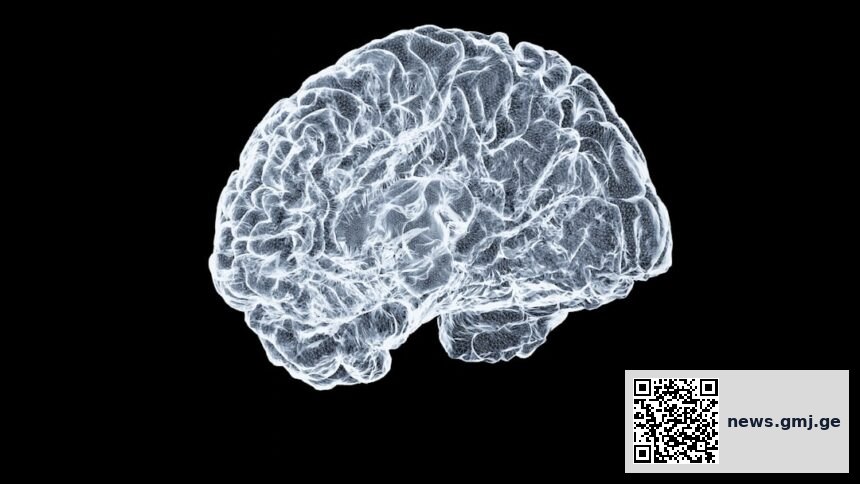
The human brain accounts for approximately 20% of the body’s total energy expenditure at rest, rising to as much as 50% during early childhood around age 10, according to established neuroscience literature. This extraordinary metabolic demand depends critically on consistent micronutrient availability and optimal metabolic function. A growing body of research demonstrates that deficiencies in B vitamins, iron, and other cofactors directly impair cognitive performance, energy production, and neurological integrity.
Key takeaways
- The brain consumes ~20% of resting energy expenditure in adults, rising to 50% during early childhood development
- B vitamins (B6, B9, B12, B1, B2) serve as essential cofactors in homocysteine metabolism, mitochondrial energy production, and neurotransmitter synthesis
- Deficiencies in thiamine, B12, folate, and iron produce reversible cognitive symptoms including fatigue, confusion, memory loss, and poor focus
- DHA and micronutrient supplementation in deficient populations improves myelin integrity, signal transmission speed, and cognitive outcomes
Brain Energy Consumption Across the Lifespan
Percentage of total body energy expenditure, illustrating peak metabolic demand during early childhood development
Conceptual model based on neuroscience literature | Georgian Medical Journal News

Homocysteine Metabolism: The Vascular-Neuronal Link
Homocysteine is a sulfur-containing amino acid whose metabolism directly depends on B vitamins—particularly folate (B9), cobalamin (B12), and pyridoxine (B6). When B vitamins are insufficient, homocysteine accumulates in the blood and cerebrospinal fluid, damaging both vascular endothelium and neuronal tissue through oxidative stress and inflammation. Elevated homocysteine (hyperhomocysteinemia) is associated with accelerated cognitive decline and increased dementia risk.
Clinical trials have demonstrated that supplementing B12 and folate in older adults with elevated homocysteine can slow brain atrophy on magnetic resonance imaging and improve memory performance on standardized cognitive testing. A landmark study of homocysteine-lowering B vitamin therapy showed measurable benefits in cognitive domains dependent on hippocampal and cortical regions. This suggests that maintaining adequate B vitamin status throughout life may offer protective effects against neurodegenerative disease.
Energy Metabolism and Mitochondrial Function
The brain’s constant demand for adenosine triphosphate (ATP) cannot tolerate deficiencies in the cofactors that drive oxidative phosphorylation. Thiamine (B1) and riboflavin (B2) are essential to the electron transport chain and tricarboxylic acid cycle; deficiency in either nutrient impairs ATP synthesis and manifests as fatigue, poor concentration, and cognitive fog. Patients with clinical thiamine deficiency—historically seen in Alcohol use disorder">alcohol use disorder and malnutrition, but increasingly recognized in modern populations with restricted diets—often present with reversible confusion and memory loss that resolves rapidly upon B1 repletion.
Beyond the B vitamins, iron, manganese, and alpha-lipoic acid serve as critical cofactors in mitochondrial electron transport. Research on iron-dependent oxidoreductases demonstrates that even modest reductions in iron bioavailability correlate with decreased cognitive performance in children and adults. Similarly, manganese deficiency impairs synthesis of the antioxidant enzyme manganese superoxide dismutase, leaving mitochondria vulnerable to oxidative damage.
Neurotransmitter Synthesis: The Mood–Cognition Interface
Pyridoxal-5′-phosphate (the active form of vitamin B6) is an indispensable cofactor for amino acid decarboxylases, the enzymes that convert tryptophan, tyrosine, and glutamate into serotonin, dopamine, and GABA respectively. Without adequate B6, these neurotransmitter synthesis pathways become rate-limiting, resulting in dysregulated mood, impaired stress response, and reduced cognitive flexibility. Supplementation studies in individuals with low-normal B6 status have documented improvements in emotional regulation, anxiety scores, and cognitive resilience following B6 restoration.
Niacin (B3) and choline also participate in neurotransmitter synthesis and membrane phospholipid turnover. Choline is a direct precursor to acetylcholine, the neurotransmitter critical for learning, memory formation, and attention. Emerging evidence suggests that adequate choline intake during pregnancy and early childhood may support optimal brain development and lifetime cognitive reserve.
Nerve Signal Transmission and Myelin Integrity
Rapid action potential propagation depends on intact myelin sheaths—the insulating layers of lipid and protein wrapped around axons. Docosahexaenoic acid (DHA), a 22-carbon omega-3 polyunsaturated fatty acid, comprises approximately 50% of the structural lipids in myelin and is essential for maintaining sheath flexibility and electrical properties. Vitamin B12 and folate regulate methionine metabolism, which supplies the methyl groups needed to synthesize phosphatidylethanolamine and other myelin phospholipids.
B12 deficiency can produce irreversible demyelination and subacute combined degeneration if prolonged, while iron deficiency impairs the synthesis of iron-dependent cytochromes in the myelin sheath itself. Clinical trials of DHA supplementation in cognitively intact older adults have shown modest improvements in processing speed and executive function, supporting the role of optimal myelin lipid composition in preserving cognitive performance across the lifespan.
The brain’s extraordinary metabolic demand—up to 50% of total body energy in early childhood—cannot be sustained without continuous micronutrient replenishment. Deficiencies in B vitamins, iron, and omega-3 fatty acids produce measurable impairments in energy metabolism, neurotransmitter synthesis, and myelin integrity, many of which are reversible upon adequate repletion.
— Neuroscience consensus literature on micronutrient-dependent cognitive function
What this means
Frequently asked questions
Why does the brain consume so much energy compared to other organs?
The brain’s high energy demand reflects its fundamental function: maintaining resting membrane potentials across billions of neurons, synthesizing neurotransmitters, and sustaining synaptic plasticity. The Na+/K+-ATPase pump alone—which maintains the ion gradients needed for action potentials—accounts for approximately 20–40% of total brain energy consumption. This is why even brief interruptions in glucose or oxygen supply produce immediate cognitive impairment and, if prolonged, neuronal death.
Can micronutrient supplementation improve cognition in people without obvious deficiency?
Evidence suggests that individuals with subclinical (low-normal) micronutrient status may experience modest cognitive benefits from supplementation, though effect sizes are generally small. The strongest evidence supports supplementation in genuinely deficient populations. In well-nourished individuals, multivitamin supplementation does not produce significant cognitive enhancement, suggesting that the relationship is threshold-dependent: cognition improves dramatically when crossing from deficiency to sufficiency, but plateaus once adequacy is achieved. See Clinical Updates for ongoing research on this question.
Which micronutrients should older adults prioritize?
Older adults have elevated risk for B12 deficiency (due to reduced intrinsic factor production), folate insufficiency, and iron-deficiency anemia—all of which impair cognitive function and increase dementia risk. Additionally, vitamin D deficiency is prevalent in aging populations and correlates with cognitive decline. A practical approach involves blood testing for homocysteine, B12, folate, ferritin, and vitamin D, followed by targeted supplementation under medical supervision. Clinical Updates on aging and nutrition provide evidence-based guidance.
As global life expectancy increases and populations age, optimizing micronutrient status emerges as a simple yet overlooked lever for preserving cognitive function and reducing dementia burden. The evidence base—drawn from biochemistry, neurology, and clinical trials—is robust enough to warrant routine screening in at-risk groups and public health messaging emphasizing micronutrient-rich diets from childhood onwards. Future research should focus on identifying optimal micronutrient targets across the lifespan and developing practical, scalable screening and supplementation programs in resource-limited settings.
Source: The brain consumes ~20% of the body’s energy—and its function depends on micronutrients
🗺️ Find certified Georgian healthcare providers: sheniekimi.ge — Georgia Health Map · 998 clinics · 6,600+ doctors · 2,296 pharmacies
Was this article helpful?
Disclaimer. This article is health journalism intended for general information and education. It is not medical advice and is not a substitute for professional diagnosis or treatment. Always consult a qualified healthcare provider about your individual circumstances. Full disclaimer →
Related Coverage




Editorial standards. This article was produced under the GMJ News editorial process, with oversight by the GMJ Editorial Board. Our editorial process. Spotted an error? Contact the editorial team.