By using this site, you agree to the Privacy Policy and Terms of Use.
Accept
GMJ NewsGMJ NewsGMJ News
  • Latest News
    • GMJ Briefs
  • Podcast & Media
    • Podcast Episodes
    • GMJ Audio
    • GMJ Videos
  • Research Digest
    • New Studies
    • Georgian Research
    • Data & Numbers
  • Policy & Systems
    • Health Policy
    • Quality & Safety
    • Migration & Health
    • Global Health
  • Practice
    • Clinical Updates
    • Case Discussions
    • Pharmacy & Prescribing
    • Ingredients A-Z
  • Perspectives
    • Editorial
    • Explainers
    • Voices
    • Letters
  • Health Topics
  • GMJ Articles
    • Vol. 1 Issue 2 (2026)
    • Vol. 1 Issue 1 (2026)
    • Pre-Launch Articles (2025)
  • Read the Journal →
  • About GMJ News
Notification Show More
Font ResizerAa
GMJ NewsGMJ News
Font ResizerAa
  • Latest News
    • GMJ Briefs
  • Podcast & Media
    • Podcast Episodes
    • GMJ Audio
    • GMJ Videos
  • Research Digest
    • New Studies
    • Georgian Research
    • Data & Numbers
  • Policy & Systems
    • Health Policy
    • Quality & Safety
    • Migration & Health
    • Global Health
  • Practice
    • Clinical Updates
    • Case Discussions
    • Pharmacy & Prescribing
    • Ingredients A-Z
  • Perspectives
    • Editorial
    • Explainers
    • Voices
    • Letters
  • Health Topics
  • GMJ Articles
    • Vol. 1 Issue 2 (2026)
    • Vol. 1 Issue 1 (2026)
    • Pre-Launch Articles (2025)
  • Read the Journal →
  • About GMJ News
Follow US
GMJ News > Perspectives > Explainers > How Vitamins and Minerals Power Brain Chemistry: The Nutritional Foundations of Neurotransmitter Health
ExplainersPerspectives

How Vitamins and Minerals Power Brain Chemistry: The Nutritional Foundations of Neurotransmitter Health

GMJ
Last updated: 12/07/2026 13:29
By
GMJ Perspectives Desk
Share
9 Min Read
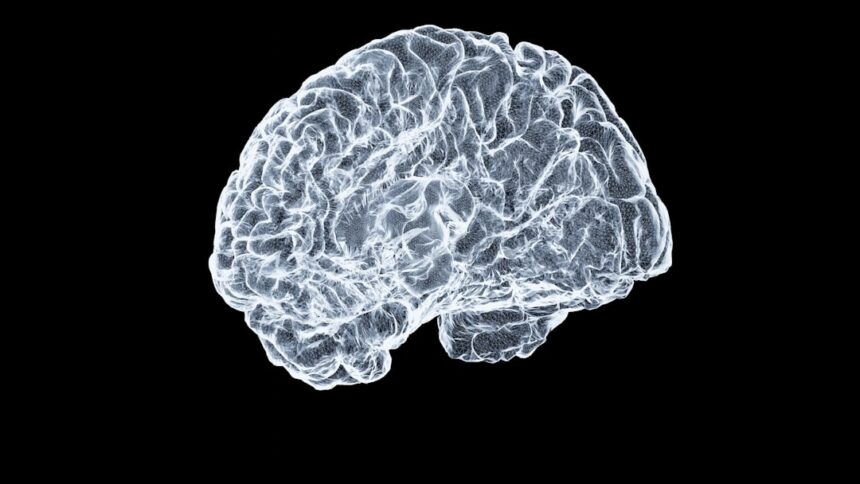
Diagram showing micronutrient cofactors in neurotransmitter synthesis pathwaysIllustrative image · Photo by Shawn Day on Unsplash (Unsplash License)
B vitamins, iron, zinc, and magnesium serve as essential biochemical cofactors in neurotransmitter synthesis and metabolism. Deficiencies in these micronutrients are linked to impaired cognitive function and mood disorders, highlighting nutrition's foundational role in brain chemistry. — Photo by Shawn Day on Unsplash (Unsplash License)
SHARE
🎧 Listen to this article7:48 min · 1,106 words · GMJ Audio
6 min read|1,106 words
✓ Reviewed by GMJ News Editorial Team

The brain’s chemical messenger system depends on a precise supply of micronutrients—vitamins and minerals that serve as essential cofactors in neurotransmitter synthesis and metabolism. Without adequate intake of these nutrients, the cascade of biochemical reactions that enable mood regulation, memory, attention, and motor control begins to falter, creating a direct biological link between nutritional status and cognitive function.

Contents
    • Key takeaways
      • Micronutrients Essential to Neurotransmitter Pathways
  • B Vitamins: The Methylation Backbone
  • Iron, Zinc, and Mineral Cofactors in Neurotransmitter Metabolism
  • Clinical Implications and Nutritional Assessment
    • What this means
  • Frequently asked questions
    • Can micronutrient supplementation improve memory or concentration in healthy individuals?
    • Which micronutrient deficiencies are most strongly linked to depression and mood disorders?
    • How long does it take to see cognitive improvements after correcting a micronutrient deficiency?

Key takeaways

  • Micronutrients including B vitamins, iron, zinc, and magnesium are essential cofactors in the enzymatic pathways that synthesize major neurotransmitters such as serotonin, dopamine, and acetylcholine
  • Deficiencies in these nutrients have been associated with impaired cognitive performance, mood disorders, and neurodegenerative disease risk
  • Dietary optimization and targeted supplementation may support optimal brain chemistry, though individual micronutrient needs vary based on genetics, age, and health status
B vitamins, iron, zinc, magnesium
Four critical micronutrient categories directly involved in neurotransmitter synthesis and neural metabolism

Micronutrients Essential to Neurotransmitter Pathways

Key vitamins and minerals required for synthesis and metabolism of major brain neurotransmitters

B Vitamins (B6, B12, Folate)
Serotonin, dopamine, GABA
Iron
Dopamine, myelin synthesis
Zinc
GABA, glutamate regulation
Magnesium
NMDA receptor function

Source: Nutritional neuroscience literature synthesis | Georgian Medical Journal News

B Vitamins: The Methylation Backbone

B vitamins—particularly B6 (pyridoxine), B12 (cobalamin), and folate—function as essential cofactors in one-carbon methylation pathways that produce neurotransmitters and regulate neural gene expression. Pyridoxal 5-phosphate, the active form of B6, is a cofactor in the enzymatic synthesis of serotonin, dopamine, gamma-aminobutyric acid (GABA), and histamine, making it arguably the most critical B vitamin for brain chemistry.

Submit Your Paper
GMJ_Submit_Banner

Folate and B12 work synergistically to maintain methylation capacity and myelin integrity. Deficiency in either nutrient disrupts the production of S-adenosylmethionine (SAM), a universal methyl donor essential for dopamine and serotonin synthesis, as well as for protective myelination around axons. Research in nutritional neuroscience has documented that individuals with insufficient B vitamin status show measurable impairments in cognitive processing speed and attention, with the effects most pronounced in aging populations.

🎙️ Related Podcast Episodes
🎧 #31 | GMJ Podcast | Daily Multivitamins and Biological Ageing — COSMOS Trial · 21m
🎧 #48 | GMJ Podcast | Launching the Georgian Medical Journal — Transparency, Editorial Standards, and Open-Access Vision · 17m
🎧 #11 | WHO Urges Schools Worldwide to Promote Healthy Eating for Children · 20m
🎧 #3 Global Nestlé Infant Formula Recall: The Power of Modern Public Health in Practice | GMJ Official Podcast · 21m

Iron, Zinc, and Mineral Cofactors in Neurotransmitter Metabolism

Iron serves as a prosthetic group in cytochrome P450 enzymes and monoamine oxidases that metabolize dopamine and serotonin. Chronic iron deficiency has been linked to reduced dopamine availability and impaired executive function in both pediatric and adult populations. Zinc modulates both inhibitory (GABA) and excitatory (glutamate) neurotransmission by regulating receptor density and synaptic transmission efficacy.

Magnesium functions as a natural NMDA receptor antagonist, protecting neurons from excitotoxicity while enabling long-term potentiation—the cellular basis of learning and memory formation. Magnesium deficiency compromises neural plasticity and has been associated with increased anxiety and depression risk in epidemiological studies. The bioavailability of these minerals depends on dietary sources, gut health, and concurrent intake of other nutrients that either enhance or inhibit absorption.

Clinical Implications and Nutritional Assessment

While micronutrient supplementation shows promise in supporting cognitive function and mood regulation, the evidence base emphasizes the importance of individualized assessment rather than universal supplementation protocols. Clinicians should assess dietary adequacy and consider functional micronutrient status—particularly in populations at higher risk for deficiency, including older adults, individuals with malabsorption disorders, and those with restrictive diets.

The relationship between nutrition and brain chemistry is bidirectional: poor cognitive function and mood dysregulation may also impair appetite regulation and dietary intake, creating a cycle that compounds nutritional insufficiency. This underscores the importance of integrated assessment that considers both biochemical markers and dietary history. For most individuals consuming a nutrient-dense diet rich in whole grains, legumes, leafy vegetables, and animal proteins, micronutrient status is adequate; however, targeted intervention in deficiency states may yield measurable cognitive benefit. See our Pharmacy & Prescribing section for more on micronutrient supplementation safety and efficacy.

Micronutrients including B vitamins, iron, zinc, and magnesium serve as essential enzymatic cofactors in neurotransmitter synthesis and metabolism pathways that directly support cognitive function, mood regulation, and neural plasticity.

— Nutritional neuroscience evidence synthesis, GMJ News

What this means

For patients: Prioritize a balanced diet rich in whole grains, legumes, leafy vegetables, fish, poultry, and nuts. If you experience cognitive symptoms (memory loss, poor focus, mood changes), discuss micronutrient assessment with your clinician—supplementation may help if deficiencies are identified.
For clinicians: Consider functional micronutrient screening in patients presenting with cognitive complaints, mood disorders, or neurological symptoms. Assess dietary adequacy and gastrointestinal function before recommending supplementation. Monitor both biochemical markers and clinical outcomes in patients receiving targeted micronutrient intervention.
For policymakers: Support public health initiatives that improve micronutrient accessibility, particularly in underserved populations. Fund research clarifying optimal micronutrient intake levels for cognitive health across the lifespan. Consider food fortification and dietary guidance programs that address micronutrient status as part of cognitive health promotion.

Frequently asked questions

Can micronutrient supplementation improve memory or concentration in healthy individuals?

Evidence suggests that supplementation may provide modest cognitive benefit in individuals with documented micronutrient deficiencies or suboptimal dietary intake. However, in individuals with adequate nutrient status, supplementation beyond dietary needs shows limited additional cognitive benefit. Dietary optimization should be the first intervention; supplementation is most beneficial when targeted to specific deficiencies identified through clinical assessment. Consult your healthcare provider before beginning supplementation, particularly if you take medications that affect micronutrient metabolism.

Which micronutrient deficiencies are most strongly linked to depression and mood disorders?

B vitamin insufficiency (particularly B6, B12, and folate), iron deficiency, and magnesium deficiency have all been associated with increased depression and anxiety risk in observational and intervention studies. Folate and B12 deficiency specifically impair the methylation pathways essential for serotonin synthesis. If you experience persistent low mood, discuss micronutrient assessment with your clinician, particularly if you follow a restrictive diet or have gastrointestinal conditions that impair absorption.

How long does it take to see cognitive improvements after correcting a micronutrient deficiency?

The timeline for cognitive improvement after micronutrient repletion varies depending on the severity and duration of deficiency, the specific nutrient, and individual metabolic factors. Most individuals show measurable improvement within 4-8 weeks of adequate supplementation if deficiency was the primary cause of cognitive symptoms. Some improvements may take longer if the deficiency caused structural changes in the nervous system. Work with your healthcare provider to establish realistic timelines and track both subjective symptoms and objective cognitive performance during supplementation.

The emerging field of nutritional neuroscience reveals that brain chemistry is not fixed by genetics alone—it is actively shaped by the micronutrients we consume daily. As research continues to clarify the mechanisms linking specific nutrients to cognitive and emotional health, the case for dietary optimization as a foundational component of mental health care grows stronger. Future work should focus on personalized micronutrient assessment protocols and on identifying populations most likely to benefit from targeted supplementation. See our Explainers section for more on how diet affects brain function.

Source: Nutritional Neuroscience: Micronutrients in Neurotransmitter Synthesis and Metabolism

Was this article helpful?

Disclaimer. This article is health journalism intended for general information and education. It is not medical advice and is not a substitute for professional diagnosis or treatment. Always consult a qualified healthcare provider about your individual circumstances. Full disclaimer →

Related Coverage

Copper deficiency may explain iron-resistant anaemia: why the overlooked mineral matters for oxygen transportAug 14, 2026
How neurotransmitters orchestrate mood, sleep, and cognition: a biochemical primerAug 14, 2026
Whey protein triggers substantial insulin response despite low carbohydrate content, research showsAug 14, 2026
What makes prostate cancer aggressive? Biology, genetics, and clinical grading explainedAug 14, 2026
Explore more on this topic:🧭 Mental Health hub🧭 Nutrition hub🧭 Supplements & Nutraceuticals hub
🔥 Most read this week
1Creatine Kidney Damage Myth Debunked by Major Safety Review of 26,000 Participants
2Why High-Dose Vitamin B12 Supplements Work Despite Poor Absorption
3Magnesium Form May Not Matter for Cognitive Benefits, New Meta-Analysis Suggests
4How Coffee Brewing Method Affects Cholesterol: The Science Behind Diterpenes and Filters
Related reference
  • Pyridoxine · Ingredient
  • Magnesium · Ingredient
  • Cobalamin · Ingredient
  • Choline · Ingredient
  • Folate · Ingredient
  • Iron · Ingredient
  • Zinc · Ingredient
  • GABA · Ingredient
PG
Editorial oversight
Prof. Giorgi Pkhakadze, MD, MPH, PhD
Editor-in-Chief, GMJ News
Full profile →  ·  ORCID 0000-0001-7609-4515
Medical disclaimer. This article is health journalism intended for general information. It is not medical advice and is not a substitute for consultation with a qualified healthcare professional. Always seek your physician's advice regarding any medical condition.
Editorial standards. This article was produced under the GMJ News editorial process, with oversight by the GMJ Editorial Board. Our editorial process. Spotted an error? Contact the editorial team.
📬 GMJ Health Digest
Evidence-based medical news, once a week. Free, no spam, unsubscribe anytime.
TAGGED:brain healthcognitive functionMental HealthmicronutrientsneurotransmittersNutrition
Share This Article
Facebook LinkedIn Bluesky Copy Link Print
GMJ
ByGMJ Perspectives Desk
Follow:
GMJ Perspectives Desk is part of GMJ News, the newsroom of the Georgian Medical Journal (gmj.ge), published by the Public Health Institute of Georgia. Every article is editorially reviewed before publication.
Leave a Comment Leave a Comment

Leave a Reply Cancel reply

Your email address will not be published. Required fields are marked *

Submit Your Paper →

Georgia's peer-reviewed open-access medical journal. No APC until January 2027.
Submit Manuscript →
Copper deficiency may explain iron-resistant anaemia: why the overlooked mineral matters for oxygen transport

Copper deficiency may explain why some patients develop anaemia despite adequate iron…

Coffee’s Dose-Response Puzzle: Why 2–3 Cups Daily May Shield Against Dementia

Moderate coffee consumption—2 to 3 cups daily—is associated with the lowest dementia…

Bedroom Light at Night Linked to Metabolic Harm: What the Evidence Shows

Moderate bedroom light exposure triggers measurable metabolic harm within a single night…

Submit Your Paper to GMJ

No APC until January 2027.
Submit Manuscript →

You Might Also Like

Diagram showing hematopoietic differentiation from pluripotent stem cell to seven mature blood cell lineagesIllustrative image · Photo by Thirdman on Pexels (Pexels License)
ExplainersNew StudiesPerspectivesResearch Digest

How a single stem cell in bone marrow generates your entire immune system

By
GMJ Perspectives Desk
25/07/2026
Diagram showing astrocytes, microglia, oligodendrocytes, and neurons communicating during stress, illustrating how their interactions determine brain healthIllustrative image · "110120-A-1566H-001" by ResoluteSupportMedia is licensed under CC BY 2.0. To view a copy of this license, visit https://creativecommons.org/licenses/by/2.0/. (CC BY 2.0)
New StudiesResearch Digest

Brain’s Support Cells Hold Key to Mental Health: How Astrocytes, Microglia, and Oligodendrocytes Shape Resilience

By
GMJ Research Desk
26/07/2026
Bar chart showing chlorogenic acid concentration decreases from light roast (8.0 mg/g) to medium roast (6.56 mg/g) to dark roast (4.35 mg/g), with gallic acid increasing in darker roastsIllustrative image · Photo by Mateo Arbelaez on Pexels (Pexels License)
ExplainersNew StudiesPerspectivesResearch Digest

Light roast coffee retains highest chlorogenic acid levels, study shows

By
GMJ Perspectives Desk
26/07/2026
Prostate cancer risk stratification by histological grade and genetic markersIllustrative image · Photo by National Cancer Institute on Unsplash (Unsplash License)
Clinical UpdatesExplainersPerspectivesPractice

What makes prostate cancer aggressive? Biology, genetics, and clinical grading explained

By
GMJ Practice Desk
14/08/2026
Facebook Twitter Youtube Instagram
Company
  • Privacy Policy
  • Contact US
  • GMJ Journal
  • Submit Manuscript
  • Editorial Team
  • Register at GMJ
  • Terms of Use

Subscribe to GMJ News — Click here

Join Community
© 2026 Georgian Medical Journal (GMJ). Published by the Public Health Institute of Georgia (PHIG). All rights reserved.
Welcome Back!

Sign in to your account

Username or Email Address
Password

Lost your password?

Not a member? Sign Up